India
Delhi’s Diwali Air Quality Ranks Third Worst Since 2021 Amid Data Gaps
By Abhishek Jha
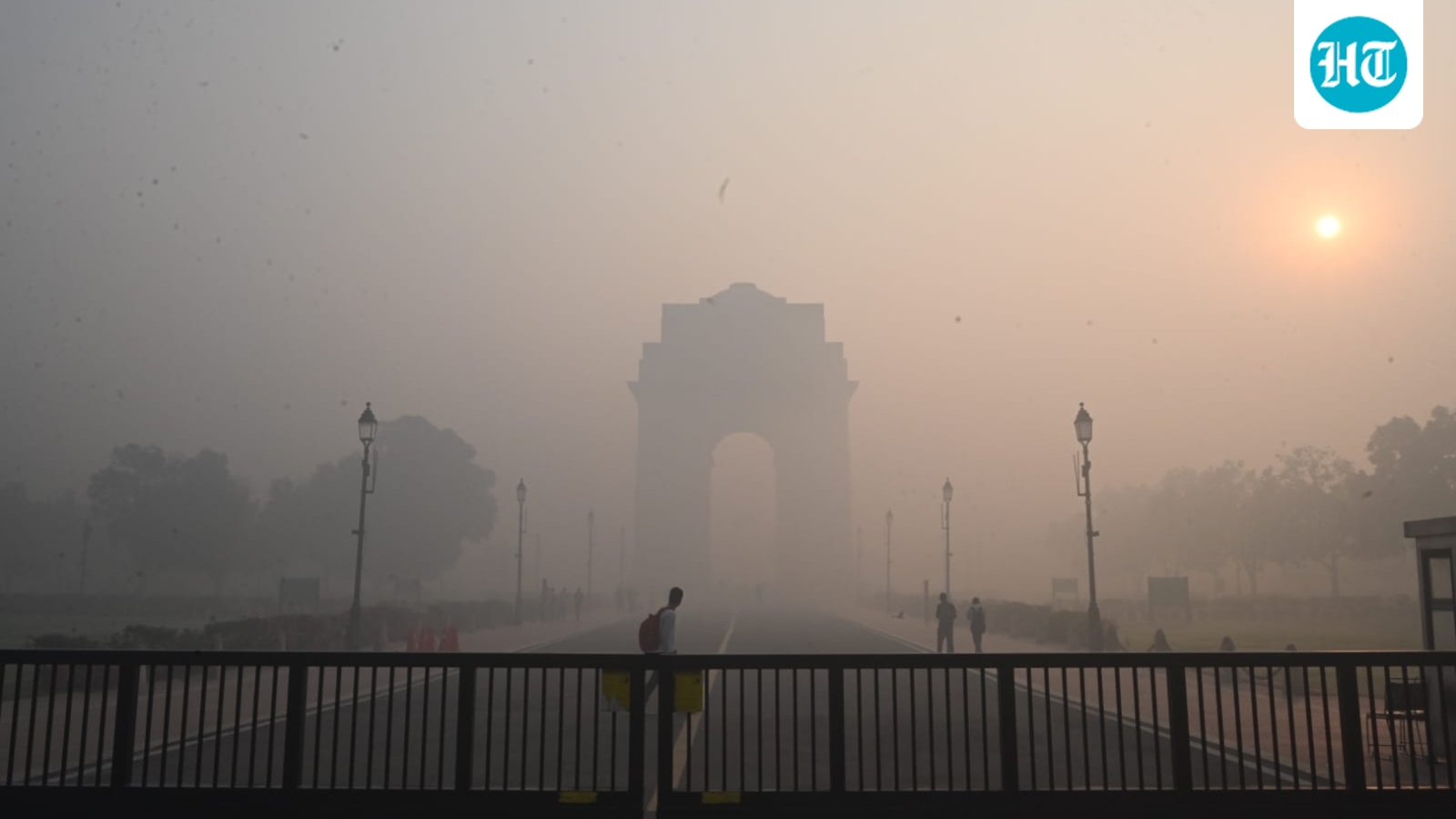
More than half of Delhi’s air‑quality monitoring stations stopped reporting data around midnight on Diwali night, making it difficult to compare pollution levels with previous years. Despite the data gaps, the stations that continued to operate recorded air in the “severe” range, with an Air Quality Index (AQI) above 400. From 10 p.m. on Diwali to 6 a.m. the next morning, about 80 % of functioning stations reported severe pollution. At 9 p.m., after the number of reporting stations fell sharply, 61 % of the 57 stations that were still reporting had an AQI of 400 or more.
To assess the pollution trend, the analysis focused on six stations—Alipur, Aya Nagar, Bawana, IHBAS‑Dilshad Garden, Narela, and Punjabi Bagh—that have provided data for most of Diwali’s peak hours since 2021. The average PM2.5 sub‑index for these stations was 655, the third highest hourly average since Diwali 2021. The only higher peaks were recorded in 2021 (812) and 2025 (752). During 2022‑2024, the peak values were lower, at 483, 583, and 489.
Weather conditions likely helped reduce the pollution peak this year. Meteorological Aerodrome Report (METAR) data from Palam indicate that Diwali 2026 was the third to fourth warmest since 2021, with wind speeds comparable to the relatively cleaner years of 2022‑2024. This favorable weather may have aided in dispersing pollutants, suggesting that the air quality could have been worse without these meteorological factors.
Overall, Delhi’s air quality on Diwali 2026 was the third most polluted since 2021, with severe pollution levels persisting from the evening of Diwali into the early morning hours, despite the challenges posed by incomplete data.
Frequently asked questions
Which Delhi air quality stations were used for the Diwali 2026 analysis?
Alipur, Aya Nagar, Bawana, IHBAS‑Dilshad Garden, Narela, and Punjabi Bagh.
What was the average PM2.5 sub‑index for Delhi during Diwali 2026?
655, the third highest hourly average since Diwali 2021.
How did weather conditions affect Delhi’s Diwali 2026 air quality?
METAR data from Palam indicated the day was the third to fourth warmest since 2021, with wind speeds comparable to 2022‑2024, helping disperse pollutants.