World
Taoiseach Says Revised Public Pay Offer Could Lead to Agreement
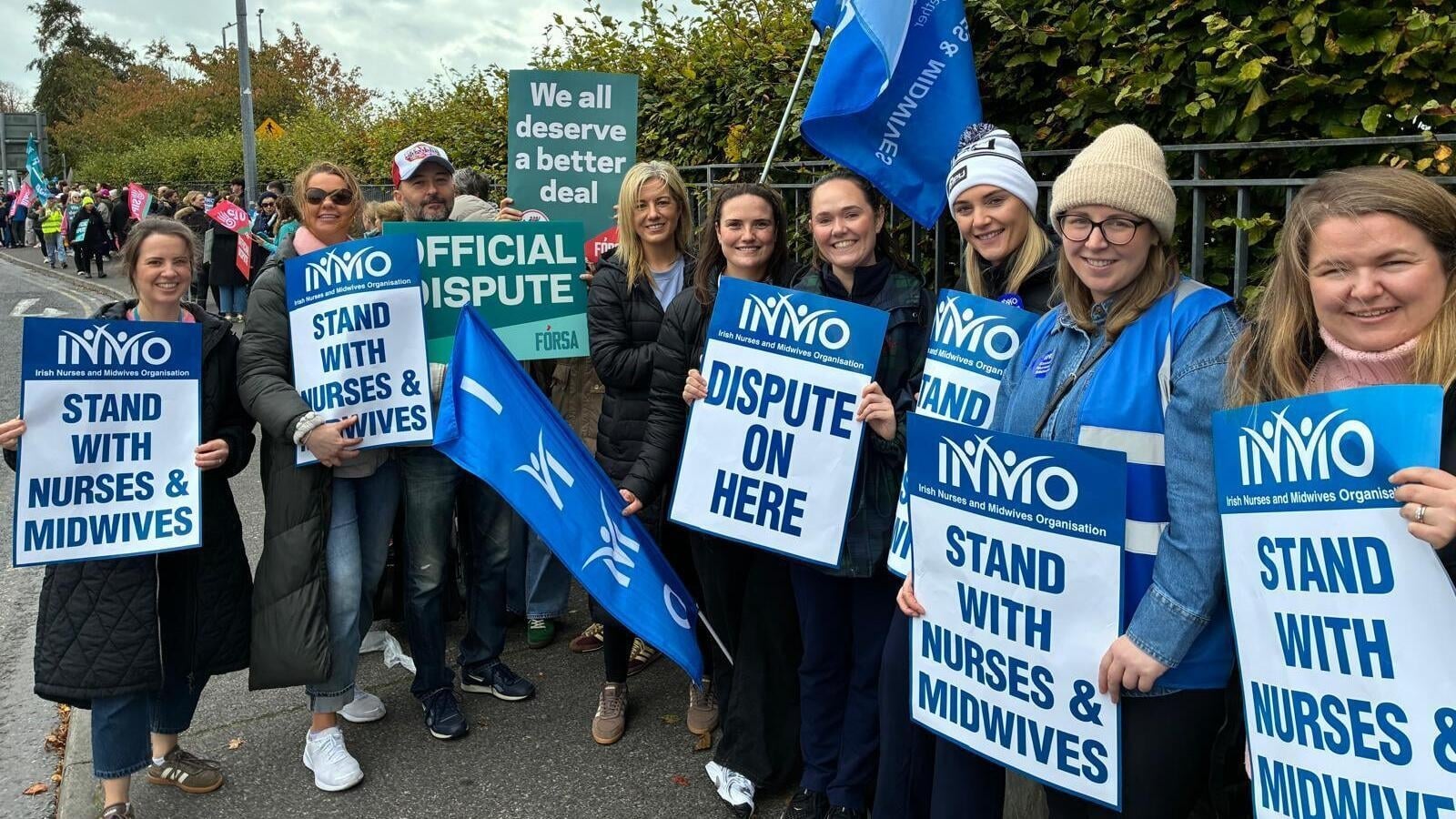
The Taoiseach said he believes a "substantially improved" offer on public sector pay provides the basis for an agreement with trade unions. RTÉ News reports that the revised offer would deliver pay increases of 10.5% for public sector workers in an agreement that would run until the early months of 2029. This would equate to an 11% uplift when the increases are compounded over the duration of the agreement. The package would include larger increases for lower‑paid public servants, with some benefitting by up to 17.8%. According to sources, the offer would include a payment of €1,200 or 2%, whichever is higher, in 2026, bringing pay increases for this year to 4% for public sector workers. Unions and Government representatives will continue engagement tomorrow with an independent group in a bid to find a pathway to talks on the ongoing pay dispute.
Speaking in Co Fermanagh, Micheál Martin said: "The Government has made a substantially improved offer on previous offers, and in our view, the nature of that is to, in our view, make an agreement very possible. "But obviously, that's a matter that others have to consider. "We particularly want to prioritise the lower paid as well, but also to be mindful of the impact of inflation, the impact of the cost of living on many, many families, which we acknowledge. But we do think the offer meets those criteria." The comments come as public sector unions plan to hold a 24‑hour strike next Thursday.
In a message to members of Fórsa this afternoon, the union's General Secretary Kevin Callinan described the current process as "very difficult". "Preparations are well under way for a 24‑hour work stoppage on Thursday 12 November and rallies to mark the strike action and bring members together," Mr Callinan wrote. "I encourage you to make plans to attend a rally with your colleagues," he added.
Earlier, Tánaiste Simon Harris said he thinks "the position is now significantly improved", adding that "there's an onus now on everybody to try and find a landing zone here and resolve this issue". Speaking on RTÉ's The Week in Politics, he said: "We, the Government, have made a substantially revised and improved offer. "I would really ask now on the basis of that, everybody works in the hours ahead towards resolution and de‑escalation. "We've got to move this forward." Mr Harris said nobody wants to see "further disruption" such as school closures or cancelled hospital appointments. "But we need to have something that's sustainable here," he said.
Tánaiste @SimonHarrisTD said today on #RTETWIP that he would like to encourage "intensive engagement" in ongoing #publicsector pay talks. TWIP will rebroadcast tonight at 23:05 on @RTEOne, and at 18:30 and 22:00 on the @RTENews Channel.
Speaking later in Cork at the Fine Gael Ard Fheis, Mr Harris insisted that Thursday's strike was not inevitable and he appealed to unions to engage. He said there was still a window between now and Thursday to broker an agreement. "I'm making the point on behalf of the Government that we did respond with a new and, from I think the perspective of public service workers, a significantly improved offer. "I'd ask that people reflect on that, that they take that very seriously. This is a real effort to help make sure that work in the public service pays, and those working hard are paid a decent wage," he said.
Engagement on the public sector dispute will resume tomorrow. Meetings with a Government‑appointed group chaired by Workplace Relations Commission (WRC) Chair Kevin Foley were held for a number of hours this morning and have now been adjourned until tomorrow. It is understood unions rejected a Government offer of pay increases worth 7.75% over two and a half years. General Secretary of Fórsa and Chair of the Irish Congress of Trade Unions' Public Services Committee Kevin Callinan said they are looking for a better deal than the last public sector pay agreement. The previous deal was worth 10.25% over two and a half years and expired at the end of June.
As part of Thursday's strike, workers will be encouraged to march in rallies rather than stage pickets outside their workplaces. There will be eight demonstrations across the country from 12pm to 2pm, with the largest taking place in Dublin. The demonstrations will coincide with a major meeting of world leaders in the capital as part of Ireland's EU Presidency. It is understood the Dublin rally may involve striking workers marching from O'Connell Street to Government Buildings, but the logistics are still being worked out. Extensive road closures and traffic restrictions will be in place because of the European Summit. The other rallies will be held in Cork, Limerick, Galway, Waterford, Sligo, Tullamore and Letterkenny.
After next week's strike, unions said they will intensify the work‑to‑rule action that is already under way across the public sector and will look at taking further industrial action. Mr Callinan said future action may take the form of rolling strikes in individual sectors of the public service. Delays in agreeing to a new public sector pay deal led to a 24‑hour strike by more than 300,000 public sector workers last month.
Sinn Féin TD John Brady has said a realistic offer should have been put on the table initially. "Why wasn't that offer put on the table prior to now?" he said, adding it "would have averted the previous industrial action" in which 300,000 public service workers "were forced to take, which brought the country to a standstill". Speaking on RTÉ's The Week in Politics, he added: "Hopefully there is a sense of reality now emerging from the Government that there hopefully should, and will be, an understanding of the reality our public service workers are experiencing with the cost of living crisis, the rate of inflation and that whatever offer is now being put on the table is realistic to avert any further industrial action taking place."
Independent TD Paul Gogarty said the government "could have sorted it out before the budgetary process and they didn't". He added: "If you use the right budgetary policies, and put more into services rather than across the board, blanket kind of tax cuts, you're going to see a situation where the rising costs will be kept at a steadier level."
Minister of State Marian Harkin said she hopes "cool heads" can resolve the dispute. "This is a negotiation between Government and the unions to get a fair reasonable increase for public sector workers that is sustainable, and everybody wants to see that. "I fully agree nobody wants to see a strike, most of all I think the people involved in the unions."