Politics
Government Offers 10.5% Pay Rise to Public Sector Amid Imminent Strikes
By Jack Horgan-Jones, Emmet Malone, Martin Wall
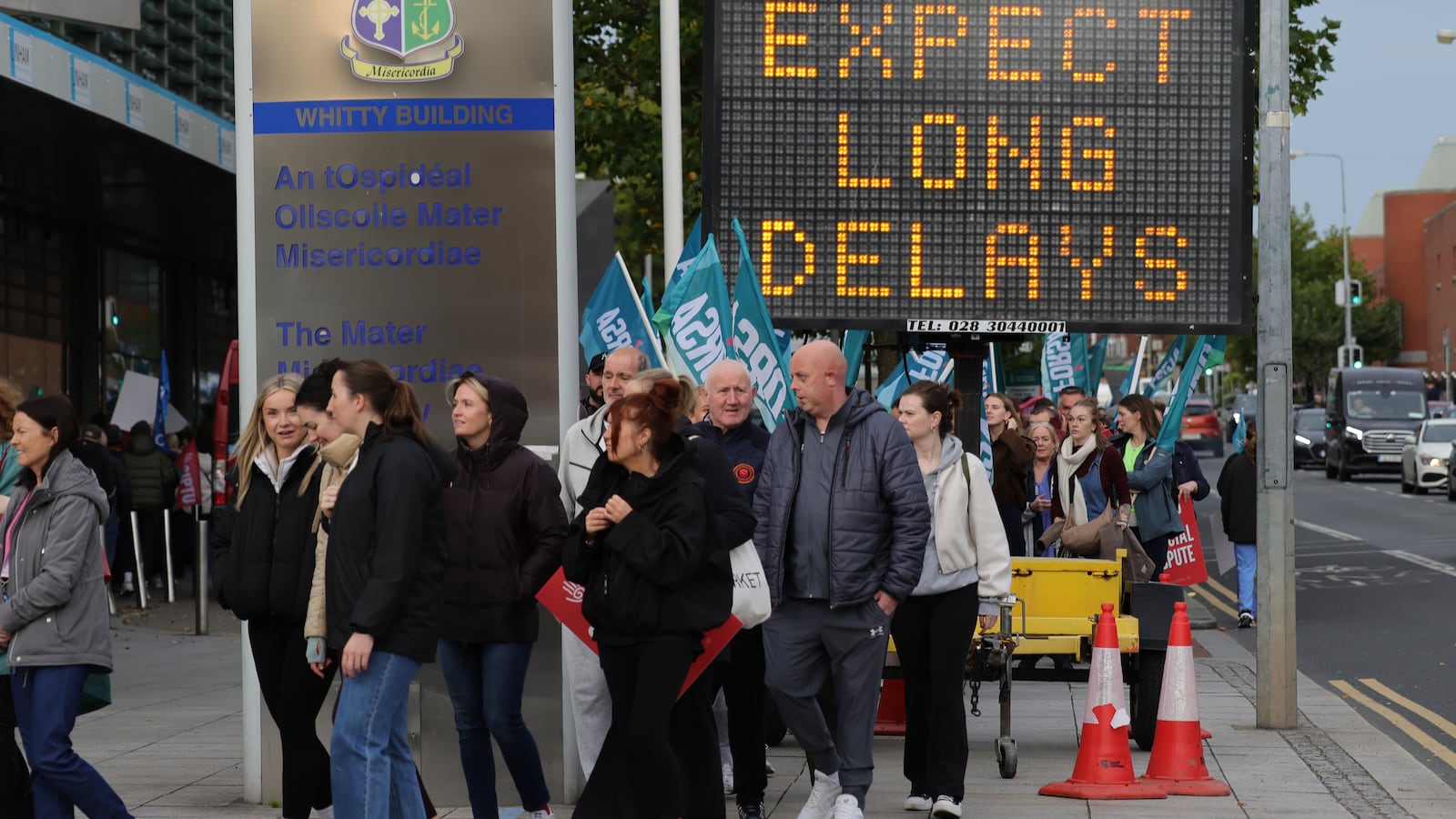
Public sector workers have been offered a 10.5 % pay increase as negotiations on a new pay deal reach a final stage before planned nationwide strikes on Thursday. The headline rate of 10.5 % would be exceeded for lower‑earning public and civil servants, some of whom could receive wage increases of up to 17.8 % over the life of the proposed deal. The Government proposal runs until the early months of 2029 and includes a back payment of €1,200 or two %, whichever is higher, in 2026 – bringing 2026 pay increases to four % overall. After talks nearly collapsed over the weekend, Government and union negotiators met again on Sunday, with further discussions scheduled from Monday morning. The offer comes amid concerns that a public sector strike could compound an already challenging week, as the Government hosts dozens of world leaders during Ireland’s EU presidency. Sources say the offer would be worth 11 % in real terms and includes an element covering local bargaining. An agreed deal is still uncertain; union leaders warned members on Sunday that talks were “very difficult” and expressed pessimism about the offer. Late on Sunday, union officials were unhappy after details of the pay offer were reported in The Irish Times and elsewhere, with senior officials claiming the Coalition was trying to undermine them. It is understood that union representatives have resolved to give “one more attempt” on Monday to get the Coalition to improve on their offer. Tánaiste Simon Harris said the strikes were not inevitable and that the Government had tabled a “substantially revised and improved offer” to the unions. He added that the EU presidency events could still proceed effectively even if strikes occur, but warned that strikes would not be “consequence free” and that the mandate for strike action came before the Government had put an offer on the table. Harris said the offer opened a “different vista” and that there was still a window between now and Thursday, though it is likely to be narrow. Government sources indicate hard limits to what can be offered, while the Coalition believes public support for the strikes will be limited. Meanwhile, unions are preparing for the strikes. In a note to members on Sunday, Kevin Callinan of Fórsa, the union with the largest number of members involved in the dispute, said talks were “very difficult” and that preparations for the stoppage and associated rallies were “well under way.” Callinan said any new agreement would have to deliver more than the 10.25 % the last one did and suggested the unions are aiming for higher increases or guarantees that members’ income would be protected from inflation, making an agreement still elusive. Dublin is also bracing for security threats and large‑scale disruption for commuters and businesses as world leaders meet this week for the biggest event of Ireland’s EU presidency. Following a range of bomb threats to media outlets in Ireland and airlines in Europe, Garda and Defence Forces have been planning for significant disruption. Harris said last week’s events suggested there were “bad external actors at play here.” Garda sources told The Irish Times it was unlikely the EU presidency events of the coming week will pass off without incident, especially the meetings on Thursday and Friday, when up to 50 heads of state will be present. In addition to anticipated bomb threats and other security hoaxes, senior officers said drone activity could become an issue as world leaders fly in and around the Convention Centre in Dublin’s north inner city, where the meetings will take place next week. “You could also be looking at some cyber‑related, something to cause chaos or even just a lot of embarrassment,” said one source. There is significant disappointment and annoyance in Garda Headquarters, as work to rule this week could not be halted.
Frequently asked questions
What is the headline pay increase offered to public sector workers?
The headline rate is 10.5 %, with lower‑earning public and civil servants potentially receiving up to 17.8 % over the life of the deal.
When does the proposed pay deal run until?
The Government proposal runs until the early months of 2029.
What back payment is included in the deal for 2026?
The deal includes a back payment of €1,200 or two percent, whichever is higher, in 2026, bringing 2026 pay increases to four percent overall.