Business & Finance
Anchorage Capital’s David Jones Administration Sparks Debate Over Private Equity Tactics
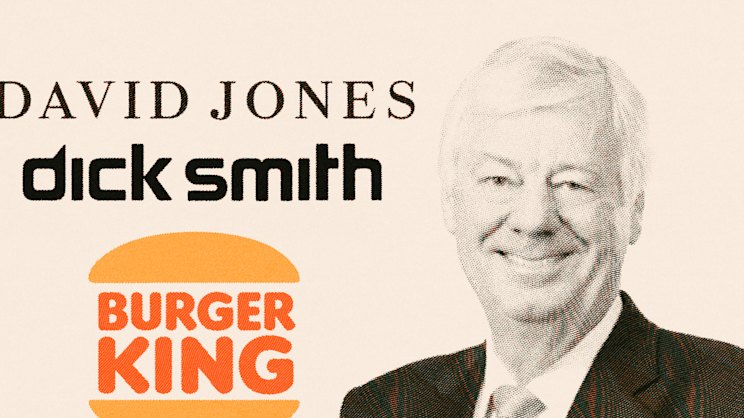
Dick Smith, 82, recalls buying shoes as a child at David Jones and was surprised when Anchorage Capital Partners acquired the department store chain in 2023, after a decade‑old “heist” of his namesake electronics business. In 2012, Forager analysis suggested Anchorage had bought Dick Smith Electronics for about $10 million, reduced its inventory to inflate profitability, and listed it at a $520 million valuation in 2013, only for the company to collapse in 2016. Smith said he feared a repeat of that pattern when Anchorage bought David Jones.
Anchorage, founded in 2007 by bankers including executive chair Phil Cave, operates with a lean core team of 15 people and has managed more than $1.5 billion across four funds and co‑investments. The firm claims it bought David Jones for less than $100 million, did not strip value, invested capital, charged no fees, took no dividends, and supported a renewal effort under difficult conditions. Anchorage says the department store added $18 million more to its stores than Myer in the last two years of ownership, despite having 18 fewer locations, and secured an additional $74 million investment last year to support its stock.
The spokesperson noted that all available cash ($150 million) was reinvested and that Anchorage’s performance for its investors was in the top quartile of comparable funds, with a 36 % internal rate of return over 20 years and 2.6 times invested money back.
Anchorage has owned other businesses, including Brand Collective, which it built up in 2014‑15 and sold in 2021 to Melbourne billionaire Larry Kestelman’s family office. Kestelman has been reported as a potential buyer for David Jones. Other turnarounds have been mixed: Anchorage bought Burger King’s New Zealand franchise in 2009, sold it to Blackstone in 2011, and the franchise later went into administration. Affinity Education, a childcare chain sold to Quadrant Private Equity in 2021, faced a child‑safety scandal in 2025.
Anchorage’s spokesman said it exited well before subsequent difficulties in Dick Smith and was exonerated after an ASIC investigation and class actions. A rival investor noted that Anchorage is respected for shrewd operations and that its use of administration to force outcomes is a valuable commercial tool.
The insolvency partner suggested that administration could allow David Jones to shed costly leases that were costing 40 % of turnover, clear debts, and reposition the asset for a new owner or a second period under Anchorage. He also noted that the Dick Smith episode remains in Anchorage’s mind.
The Business Briefing newsletter delivers major stories, exclusive coverage and expert opinion. Sign up to get it every weekday morning.
Frequently asked questions
How much did Anchorage Capital pay for David Jones?
Less than $100 million.
What was Anchorage's internal rate of return over 20 years?
36%.