India
Delhi Faces Severe Air Quality on Deepavali Amid Firecracker Use
By PTI
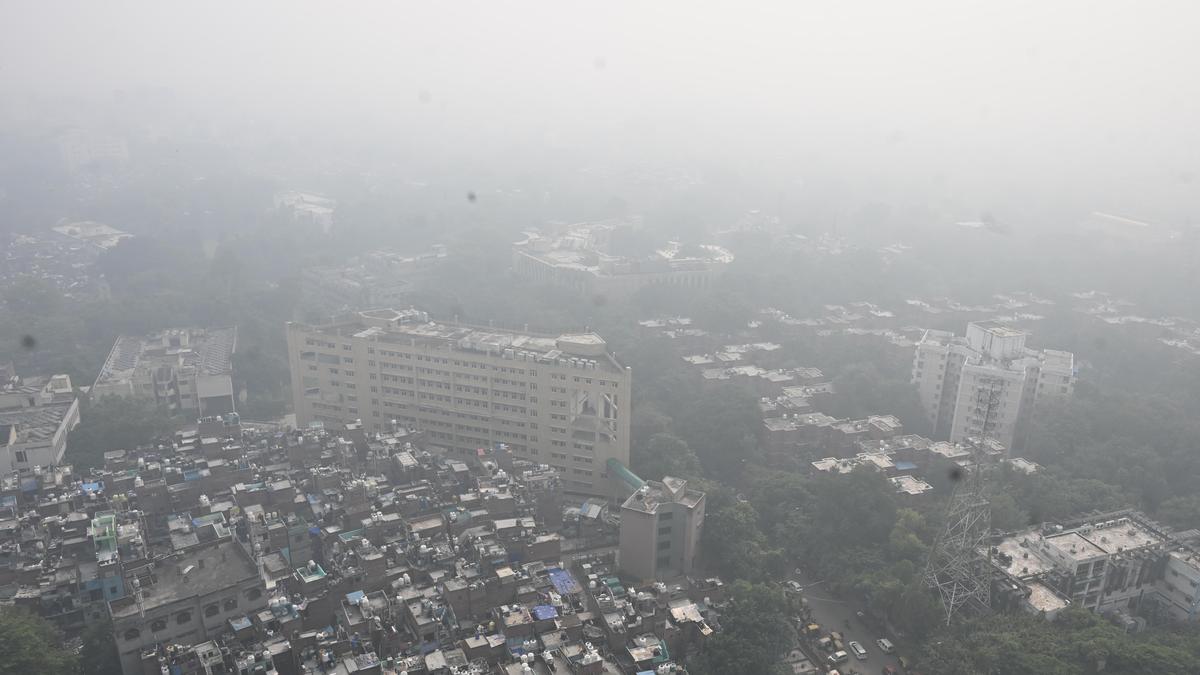
A smoky haze covered Delhi on Deepavali night, blurring streetlights and enveloping neighbourhoods as celebrations intensified across the capital. The haze grew denser as the evening progressed, with smoke from firecrackers hanging over roads and residential areas. The smell of burnt crackers lingered in the air, visibility dropped in several parts of the city, and residents reported difficulty breathing. At 10 p.m., the overall Air Quality Index (AQI) stood at 371, placing 20 monitoring stations in the ‘severe’ category. Of the 59 monitoring stations, 19 were ‘severe’, seven ‘poor’, and 33 ‘very poor’ at 7 p.m.; Jahangirpuri recorded the highest AQI of 460. The city’s average AQI for the day settled at 376, in the ‘very poor’ category, compared to 369 on Saturday. Despite restrictions on bursting firecrackers, several parts of Delhi continued to witness their use on Sunday evening (November 8, 2026), with reports from Pitampura, Burari, Mayur Vihar and parts of Lutyens’ Delhi. Ahead of Deepavali, the Delhi government appealed to people to comply with the Supreme Court’s directions on the sale and use of green firecrackers. The District Magistrate (East) permitted the bursting of green firecrackers only on November 7 and 8, between 6 a.m. and 7 a.m. and 8 p.m. and 10 p.m. Residents reported that firecrackers were being burst in outer Delhi’s Pitampura and Burari, with the intensity particularly high in Burari. Similar reports came from Mayur Vihar, while people in the Bishambardas Marg area and Lutyens’ Delhi said fireworks continued, although the intensity had reduced slightly. The court prohibited bursting of firecrackers within 300 metres of hospitals, nursing homes, health centres, old‑age homes, educational institutions and other notified silence zones. Only CSIR‑NEERI‑certified green firecrackers were permitted for sale, and the administration directed that they be sold exclusively at locations designated by the Delhi Police. Joint patrolling and enforcement teams comprising district officials and Delhi Police personnel were announced to check unauthorised sale and use of prohibited firecrackers. The Air Quality Early Warning System (EWS) forecast that Delhi’s air quality is likely to slip into the ‘severe’ category from November 9 and remain there for the subsequent few days. Weather and air quality experts attributed the anticipated deterioration to unfavourable meteorological conditions, vehicular emissions, Deepavali celebrations and the ongoing peak stubble‑burning season in neighbouring states. PM2.5 remained the predominant pollutant in the national capital on Sunday, with firecracker emissions adding to the particulate matter levels. Published – November 08, 2026 10:48 p.m. IST
Frequently asked questions
What was Delhi's AQI on Deepavali night?
The overall AQI at 10 p.m. was 371, placing 20 monitoring stations in the ‘severe’ category.
What restrictions were imposed on firecracker use during Deepavali?
The Delhi government allowed green firecrackers only on November 7 and 8 between 6 a.m. and 7 a.m. and 8 p.m. and 10 p.m., and prohibited bursting within 300 metres of hospitals, nursing homes, health centres, old‑age homes, educational institutions and other notified silence zones.