India
Lakshmi Puja 2026: Key Dates, Timing, and Rituals for Diwali and Sharad Purnima
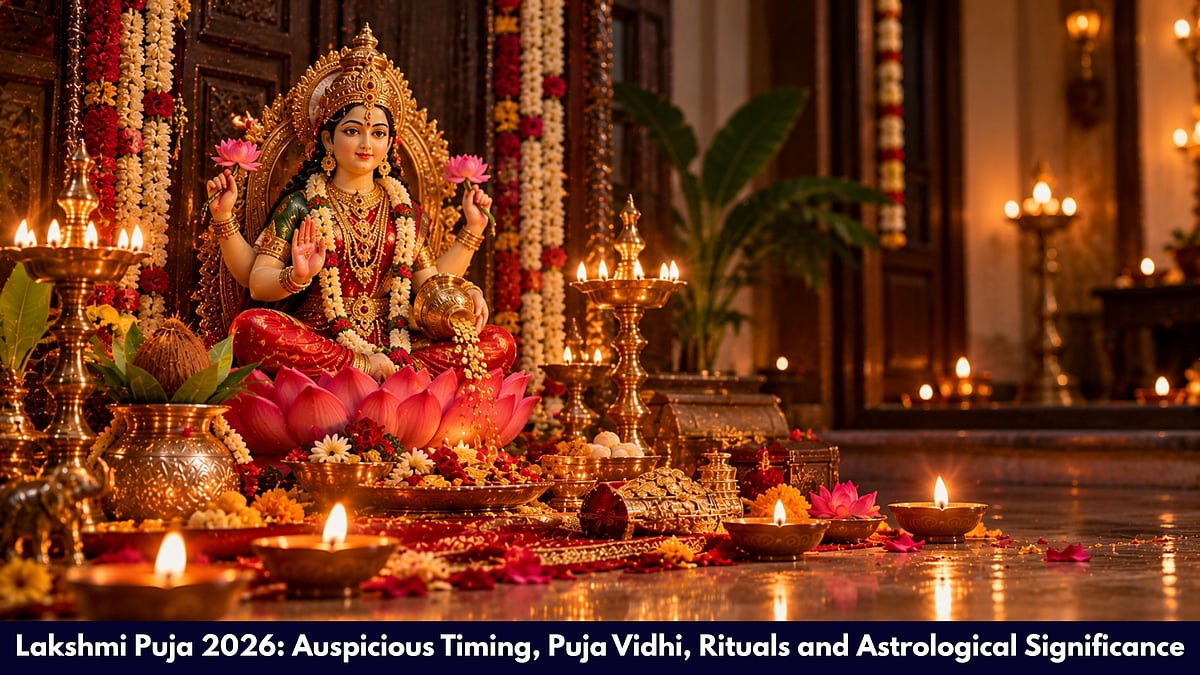
Lakshmi Puja is a major Hindu festival honoring Goddess Lakshmi, the deity of wealth, prosperity, and abundance. In 2026, the festival is observed twice: on Sharad Purnima, October 25, and on Diwali, Kartik Amavasya, November 8.
The most auspicious time for the Diwali Puja is the Pradosh Kaal, the twilight hour after sunset when the Amavasya tithi is in effect. Amavasya begins at about 11:30 AM on November 8 and ends around 12:30 PM on November 9. The recommended puja window is 5:54 PM to 7:50 PM on Sunday, November 8, during Vrishabha Lagna and Pradosh Kaal. Vrishabha is a fixed lagna considered favorable for invoking Lakshmi, symbolising lasting prosperity. The Pradosh Kaal for the day is roughly 5:30 PM to 7:54 PM. Timing may vary slightly by city or panchang tradition; those outside India should check local muhurat.
Lakshmi represents not only material wealth but also overall prosperity, including harmony at home, good health, ethical livelihood, wisdom, and generosity. Worshiping her on the darkest night of the lunar month symbolizes the triumph of knowledge over ignorance.
Preparation involves cleaning the home, especially the puja room, entrance, and offering areas. A small rangoli with lotus motifs or other symbols of prosperity may be placed near the doorway. The altar should feature an idol or picture of Lakshmi seated on a lotus, along with images of Ganesha and Kubera. A kalash filled with water, mango leaves, and a coconut may be included if it follows family tradition.
Typical offerings include flowers (lotus or marigold), incense, camphor, bell, rice, turmeric, kumkum, betel leaves, sweets, fruits, and coins. A suggested sequence is: take a bath and dress in clean or festive clothes, face east or north, light a lamp of oil or ghee and worship Ganesha first, then install the Lakshmi idol, offer water for achamana, apply roli, kumkum, and sandalwood paste, and present flowers, akshat, rice, incense, lamp, naivedya, fruits, sweets, and coins. Recitations may include the Sri Suktam, Lakshmi Ashtottara Shatanamavali, or the mantra “Om Shreem Mahalakshmiyei Namah.” Aarti is performed with camphor or a lamp, bell ringing, and singing of Lakshmi Aarti, followed by pranam, apology for any ritual mistakes, and sharing of prasad.
Business owners sometimes perform Chopda Pujan, worshipping account books and ledgers before the new accounting year, symbolising a clean financial slate and gratitude for earned money.
After the puja, diyas are lit throughout the home—at the entrance, windows, courtyard, kitchen, and puja area—to guide Lakshmi and ward off negativity. The main puja lamp is kept burning all night. Devotees may fast or eat only sattvic food until the puja concludes, and many families give charity—food, clothes, money, or essentials—to those in need, reflecting Lakshmi’s link between prosperity and compassion. Some families stay awake all night, singing bhajans, reading scriptures, or meditating.
Astrologically, Lakshmi Puja during Diwali is powerful because it combines Amavasya tithi, Pradosh Kaal, and a stable ascendant. Amavasya marks the end of a cycle and the beginning of a new one; Pradosh is a sacred period between day and night; and stable lagnas such as Vrishabha are auspicious for attracting enduring good fortune. Lakshmi is associated with the Moon’s nurturing abundance and Venus’s link to comfort, beauty, relationships, and material well-being. Worship on a favourable muhurat is believed to strengthen one’s intention toward prosperity, though tradition also stresses that divine grace complements, but does not replace, honest work, planning, and sensible financial habits.
The evening muhurat is considered very good for household worship, while some traditions mention an afternoon Kumbha Lagna period for business‑related rituals in 2026. The emphasis remains on sincerity, cleanliness, and ethical intention.
Lakshmi Puja 2026 offers families a time to pause, purify their home and mind, give thanks, and recommit to responsible prosperity. Whether celebrated on November 8 as Diwali or October 25 as Kojagari Lakshmi Puja, the core message is the same: invite light, practice generosity, and acknowledge that true wealth includes peace, devotion, and the wellbeing of others.