World
Controversial ISI Officer Nicknamed 'Dirty Harry' Named Pakistan's New Counter-Terrorism Chief
By RANA BANERJI
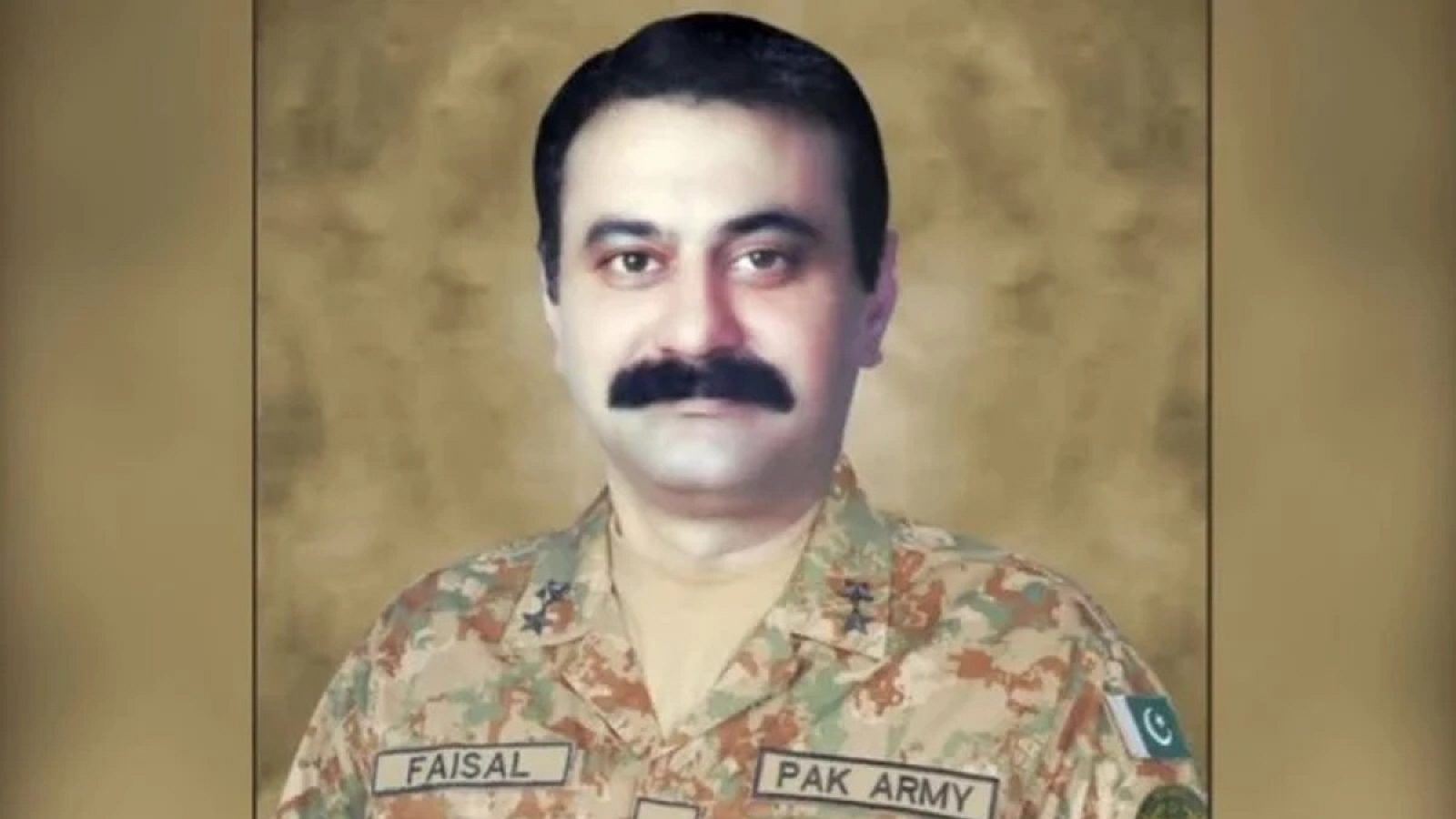
Major General Faisal Naseer, a Corps of Military Intelligence officer from the 85th Pakistan Military Academy long course, has been moved out of the Inter-Services Intelligence directorate (ISI) and appointed national coordinator of Pakistan's National Counter-Terrorism Authority (NACTA) for a three-year term.
Naseer had served as Director General (C) at the ISI since 2022, following his promotion to major general. In that role, he oversaw the agency's internal wing, responsible for domestic security and sensitive political matters, and became closely aligned with army chief Asim Munir soon after Munir assumed the top military post in November 2022.
That period was marked by political turbulence, including a 'long march' led by ousted prime minister Imran Khan, who contested Munir's appointment in favor of his own ally, Lieutenant General Faiz Hameed. As DG(C), Naseer drew Khan's anger for his role in the arrest and alleged mistreatment of Pakistan Tehrik-e-Insaf loyalists, including Azam Khan 'Swati.' This led Khan to brand him 'Dirty Harry' during public rallies, a label that stuck.
Naseer had reportedly been seeking a promotion to three-star rank or another senior posting in recognition of his loyalty to Munir, particularly as nearly ten lieutenant generals from the 80th PMA long course are set to retire in coming months, opening up vacancies. However, no officer from the Corps of Military Intelligence has previously reached three-star rank in the Pakistan Army. Naseer currently ranks 17th in seniority among major generals, with at least two more senior officers still serving in the ISI — Major General Muhammad Shahbaz Tabassum (DG-X), also from military intelligence, and Major General Akif Iqbal (DG, Counter-Terrorism), from the 84th PMA, who would be a stronger contender for promotion.
Given these seniority constraints, and amid existing tensions among 80th PMA long course officers following the elevation of General Syed Aamer Raza to four-star rank, promoting Naseer out of turn would have been contentious. His appointment to NACTA is therefore seen as the next most significant assignment available, allowing him to retain influence as one of Munir's trusted aides.
The move brings renewed attention to NACTA, an institution established in 2008 under the interior ministry with a mandate to coordinate national counter-terrorism efforts. It gained statutory and financial authority under the NACTA Act of 2013 and was tasked with implementing the 20-point National Action Plan following the December 2014 Army Public School attack in Peshawar. Despite this mandate and additional incentives for its staff, including risk allowances, NACTA has struggled to establish itself as an effective national security body.
Its decision-making structures have been inconsistently active — the last executive committee meeting was held in April 2024, and its board of governors last convened in April 2025 under Interior Minister Mohsin Naqvi, when the creation of the National Intelligence Fusion and Threat Assessment Centre (NIFTAC) was approved to enhance intelligence coordination and threat analysis.
NACTA has also faced structural challenges due to its dependence on officers deputed from other departments, with several police officials who previously led the organization citing limited authority to enforce decisions across other agencies. The organization has seen more than a dozen national coordinators since its founding, amid ongoing friction between police and military officials.
Naseer, known within the ISI for his assertive style, now faces the task of revitalizing NACTA at a time when terrorism threats in Balochistan and Khyber Pakhtunkhwa are intensifying — driven both by nationalist insurgencies and radical Islamist ideology. His ability to address these dual challenges remains to be seen.