Lifestyle
Italian Chefs Cite Pineapple, Chicken, and Other Additions as Culinary Offenses
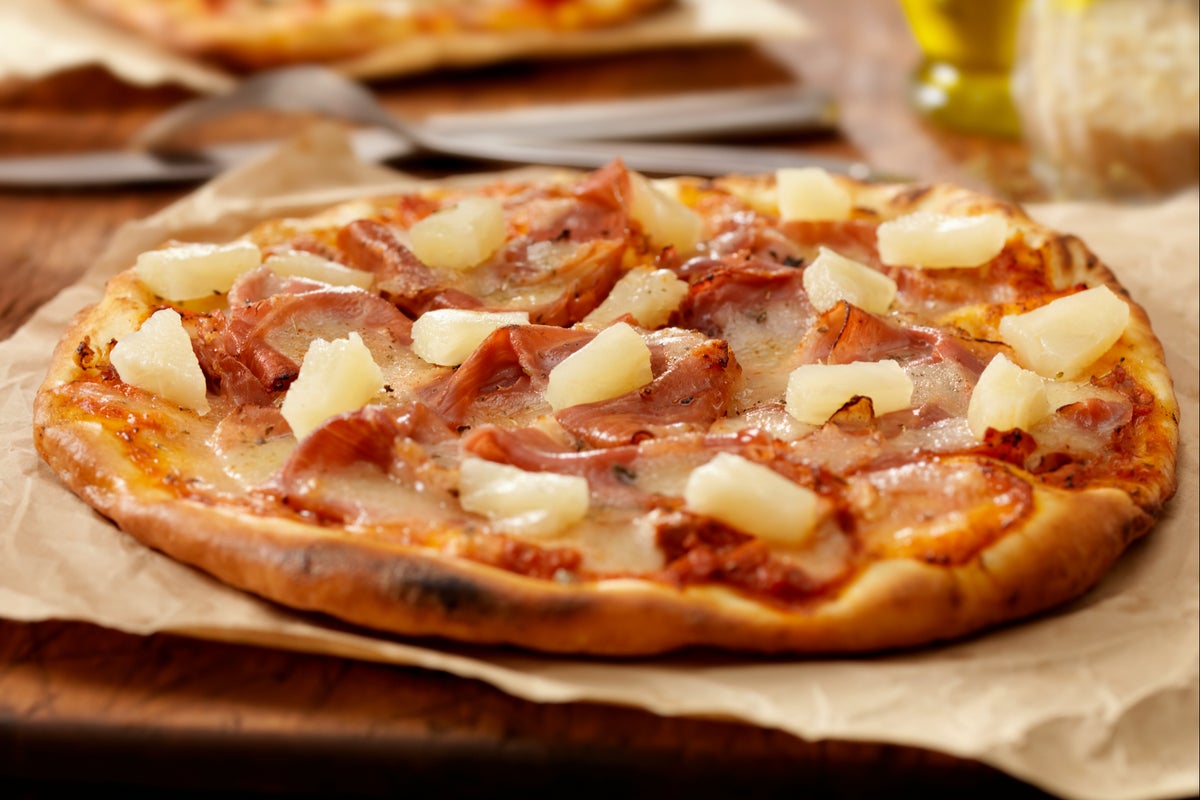
Italian chef Davide Tamburella was dismissed from the Queensland restaurant La Costa after refusing to add pineapple to pizza, a move he said insulted his culture. Tamburella’s unfair‑dismissal claim was dismissed by the Fair Work Commission because it was filed too late. He is now employed at another Italian restaurant that does not serve pineapple on pizza, while La Costa has closed due to high overhead costs.
The incident has revived a long‑standing debate over pineapple on pizza, a dispute that has split Italian restaurants in England. One Norwich establishment even charged £100 for a Hawaiian pizza to discourage customers from ordering it, whereas Short Road Pizza’s Bethnal Green branch has embraced experimentation, offering a “London Hawaiian” that pairs kiwi with smoked sausage.
Other culinary practices have also drawn criticism from professional chefs. Michele Pascarella, chef at Napoli on the Road, says that adding chicken to pasta is unacceptable, as chicken is traditionally a main course rather than an ingredient in pasta dishes. He also objects to excessive use of chilli oil, which he feels masks the flavours of pizza and pasta.
Pascarella has also condemned the addition of mushrooms to Bolognese, citing the 1982 official recipe from the Accademia Italiana della Cucina, which calls for beef, pancetta, onions, carrot, celery, passata, broth, white wine, milk, salt and pepper. He argues that mushrooms alter the dish’s identity.
Somaia Hammad, head chef at Nipotina, dislikes breaking spaghetti before cooking and overcooking pasta. She notes that al dente pasta has a lower glycemic index and is easier to digest.
Pascarella and Hammad also criticize the use of cream in carbonara, insisting that the dish should contain only egg yolks, Pecorino Romano, guanciale fat and black pepper. They say that cream undermines the dish’s traditional silkiness.
Finally, Gero Dimaria, chef at Kucina, warns against topping seafood with aged cheeses such as Parmigiano Reggiano or Pecorino Romano, arguing that the cheeses overpower the delicate, briny flavours of fish and shellfish.
These examples illustrate the range of practices that Italian chefs consider sacrilegious to their cuisine.