Politics
Republicans Grapple With Post‑Trump Future After 2026 Midterm Losses
By Today News Hours Editorial Desk
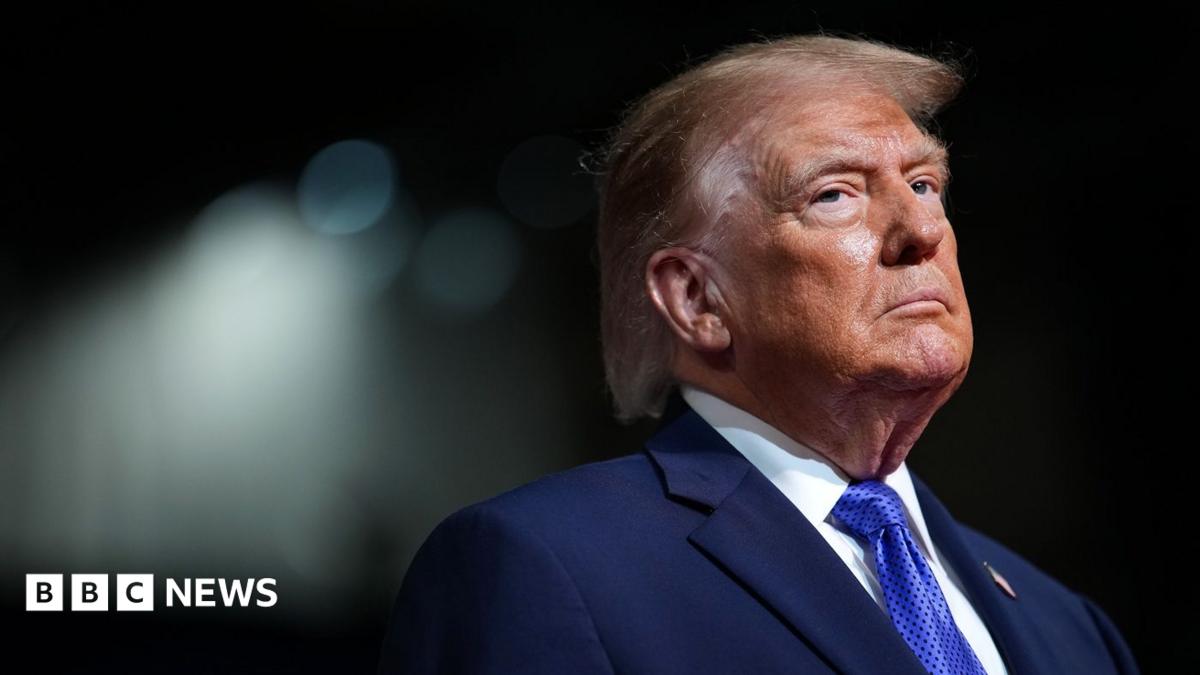
Republicans are re‑examining their strategy after the coalition that propelled Donald Trump to three presidential nominations collapsed in the 2026 midterms. The unexpected defeat has prompted questions about the party’s direction now that Trump’s influence is waning. Outgoing Florida Governor Ron DeSantis described the elections as “close to an extinction‑level event for Republicans,” while Vice‑President JD Vance blamed the results on public anger over the war with Iran and suggested the party could recover, though he warned of “a lot of infighting.” The varied responses reveal deep divisions that emerged during Trump’s rise in 2016 and have persisted.
Rina Shah, a Republican strategist, told the BBC that the party must decide whether to center itself on a single figure or broaden its focus to ideas like conservatism that can appeal beyond the most solid red states. Critics on the right, known as “Never Trumpers,” are pushing for a return to the party’s pre‑Trump roots, citing the historic losses on election night. Yet the party’s transformation over the past decade—shifting right on immigration, rejecting the interventionist foreign policy of the George W. Bush era, and replacing the moderate establishment wing with Trump‑aligned conservatives—makes a full reversal difficult.
In Congress, old‑guard Republicans such as John Cornyn of Texas and Susan Collins of Maine, who had clashed with Trump, were voted out. Three days after the election, Trump appointed Stephen Miller as his new White House chief of staff, replacing Susie Wiles. Miller, a longtime Trump aide known for hardline immigration policies, signals that Trump has no intention of moderating his message in his remaining years.
Steve Bannon, a key architect of the Make America Great Again (MAGA) movement, predicted a “civil war” within the party after the midterms and blamed the defeat on the economy and foreign wars. He called on Trump to double down on mass deportations. Other strategists, such as Whit Ayres, see the midterms as a wake‑up call for MAGA loyalists who want Trump’s movement to endure beyond his presidency.
The party lost control of the House, Senate, governorships, and state legislatures in red states like Texas and Kansas—areas where Trump had won by double digits in 2024. The upsets highlighted the volatility of political coalitions. Trump had expanded the Republican base in 2024, gaining support among Latinos and younger voters, but in 2026 those groups swung heavily toward Democrats: Latino support for Democratic candidates rose 29 percentage points, and support from 18‑29‑year‑olds increased 33 points, according to a New York Times analysis.
Voters cited disapproval of Trump’s handling of the economy, immigration, and the war with Iran, as well as perceptions of self‑dealing and corruption within the administration. The president’s focus on White House construction projects, such as a ballroom, further alienated voters who felt he prioritized legacy over affordability.
Benjamin Shrader, leader of the Young Republicans in Austin, expressed shock after the party’s near wipe‑out in Texas. He noted that Trump still remains a “force of nature” but urged a shift toward issues that matter beyond symbolic projects.
The midterm results suggest Republicans might benefit from distancing themselves from Trump ahead of the 2028 election. Vance, who had been the odds‑on favorite for the 2028 nomination, now faces a more open field. Potential successors include Marco Rubio, Ted Cruz, Ron DeSantis, Nikki Haley, and Chris Christie, among others. The party will need to decide on key issues such as U.S. support for Israel, tariffs, and the AI boom.
Trump’s influence may wane in his final two years, but he will likely remain the loudest voice in the party. His endorsement will be a significant wildcard in the 2028 Republican primary. The outcome of the primary and the party’s future direction remain uncertain as Republicans navigate the post‑Trump era.