Law & Justice
Judge Names Former U.S. Attorney to Probe Possible Misrepresentations by Government Lawyers in East Potomac Golf Course Case
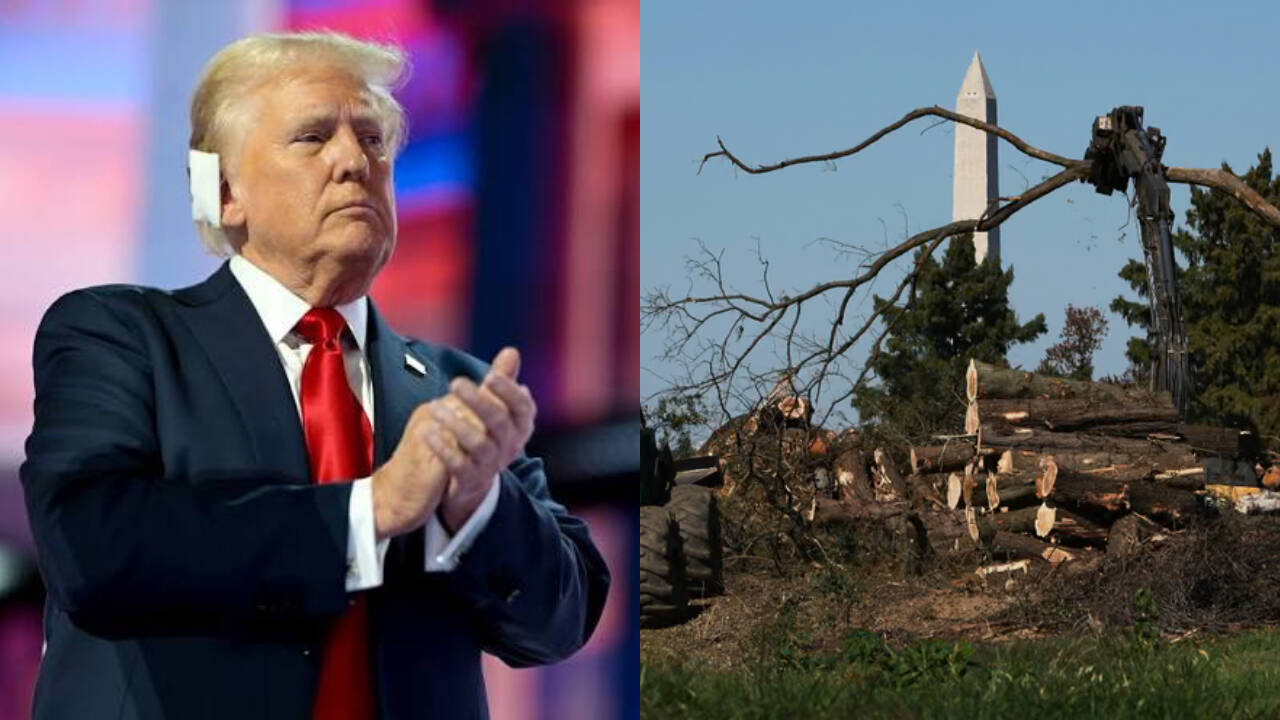
A dispute over the East Potomac Golf Links in Washington, D.C., has escalated beyond the planned redevelopment of the historic park. U.S. District Judge Ana Reyes announced on Saturday that she would appoint Jessie Liu, a former U.S. attorney for the District of Columbia, as a special master to investigate whether lawyers from the Department of Justice and the Interior Department misrepresented the administration’s intentions during the litigation.
Reyes’s decision followed a hearing on Oct. 30 in which she expressed concern that government attorneys may have misled the court about the Trump administration’s plans to proceed with renovations at the golf course. The judge had previously issued a temporary injunction blocking certain aspects of the redevelopment, but President Trump indicated that work would begin immediately. Reyes noted a perceived contradiction between the president’s public statements and the assurances presented by government lawyers in court, and she was reluctant to ignore the president’s own announcements.
Liu will examine the conduct of officials and legal representatives involved in the case, including those from the Department of Justice, the Interior Department and the National Park Service. Both sides are allowed to submit written responses to the proposed appointment before the next scheduled hearing.
The controversy centers on East Potomac Park, a historic public recreational area along the Potomac River. The Trump administration plans to close the golf course and park on Nov. 15 as part of its redevelopment, which would transform the site into a championship‑level golf destination capable of hosting major tournaments. The project has faced opposition from preservation advocates and local residents. A lawsuit filed in February by the DC Preservation League and two Washington residents argues that the reconstruction violates environmental protections and congressional legislation governing the historic park.
More than 400 trees were cut during the early stages of the dispute, raising questions about whether officials proceeded with work despite assurances given to the court. Reyes subsequently issued an injunction temporarily preventing the government from removing or damaging additional trees and requiring the administration to provide ten days’ written notice before undertaking any irreversible changes to the golf course’s existing features while the litigation continues.
Liu brings extensive experience in federal law enforcement and the Justice Department. During Trump’s first term, she served as U.S. attorney for the District of Columbia, overseeing several high‑profile matters, including those referred to her office during Special Counsel Robert Mueller’s investigation into alleged Russian interference in the 2016 election and the criminal case involving Roger Stone. Trump later nominated her for associate attorney general, a position she withdrew from after Senate opposition.
Legal experts note that appointing a special master to investigate the conduct of participants in a court case is a significant development and could precede contempt‑of‑court proceedings, depending on the inquiry’s findings.
The Interior Department has criticized Reyes’s intervention, describing her as politically motivated and accusing her of obstructing the president’s efforts to improve Washington’s appearance. The golf course redevelopment is part of Trump’s broader effort to reshape the capital through architectural and construction projects, but the dispute has placed the administration’s approach to public land, environmental safeguards and compliance with judicial orders under scrutiny.
Reyes’s investigation will seek to establish who authorized the disputed work, what assurances were given and whether those assurances were truthful. The outcome of this case could have implications beyond the future of East Potomac Park.