World
West Bank Former Prisoners Face Repeated Arrests and Intimidation
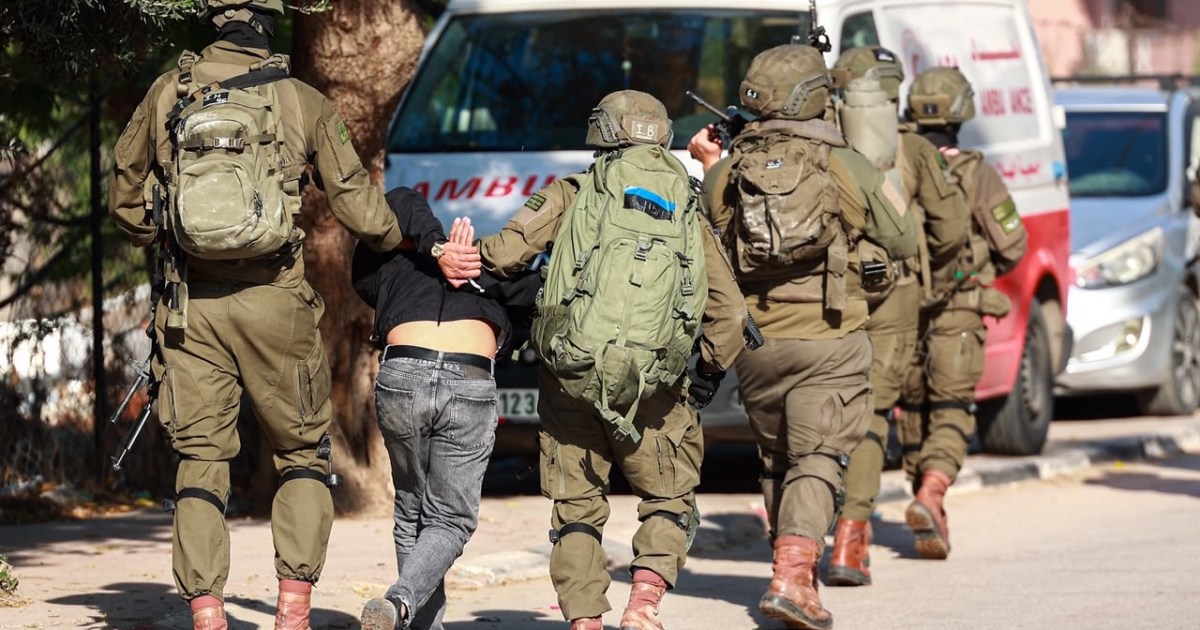
In the West Bank, former Palestinian detainees are repeatedly arrested by Israeli forces, affecting their families. Ahmed Abed, 43, was released in January 2025 after serving 22 years of a life sentence in an Israeli prison. Since his release, he has been arrested six times and summoned for interrogation five times. Each time his home has been raided and his family terrorised. Abed reports being forced to walk handcuffed and blindfolded, detained in a centre with poor conditions, and threatened with re‑arrest for any perceived misconduct. He avoids family gatherings and limits his movements to protect his relatives. Abed earned a bachelor’s degree and a doctorate while in prison but cannot find employment because employers refuse to hire him after learning of his repeated arrests. He now works day‑labour to cover basic expenses.
Another former prisoner from Qalqilya, who prefers to remain anonymous, says he is arrested on average twice a week during Israeli military sweeps. He was warned that stepping onto a football pitch would lead to arrest, jeopardising his job as a referee. Abdullah, also from Qalqilya and released in 2000, reports being arrested so often that he cannot count the times. He spent 17 years in custody since his release, including a period of administrative detention from November 2023 to February 2025 during which he suffered physical and psychological torture and lost 60 kg (132 lb). He lost his job after repeated detentions and now struggles to tend to a piece of land he inherited from his father, with his agricultural yields declining.
Since the Gaza war began in October 2023, Palestinian prisoner advocacy organisations have documented about 26,000 arrests in the occupied West Bank and East Jerusalem, including more than 800 women and nearly 2,000 minors. Amani Sarahneh, spokesperson for the Palestinian Prisoner’s Society, says Israeli operations have become a continuous wave of detentions, with 10 to 15 Palestinians arrested daily, sometimes at night, at checkpoints, or during field interrogations. The arrests often involve physical assault, long hours of detention while handcuffed and blindfolded, and raids that ransack families’ homes and seize possessions. Sarahneh notes that family members are sometimes used as hostages to exert pressure, deepening fear and anxiety among the general public.
The repeated detentions and intimidation campaigns have normalised fear among West Bank residents, affecting social relations and causing constant anxiety that occupation forces might arrest groups at any moment.