India
India’s Growing Market for Paid Elder Companions
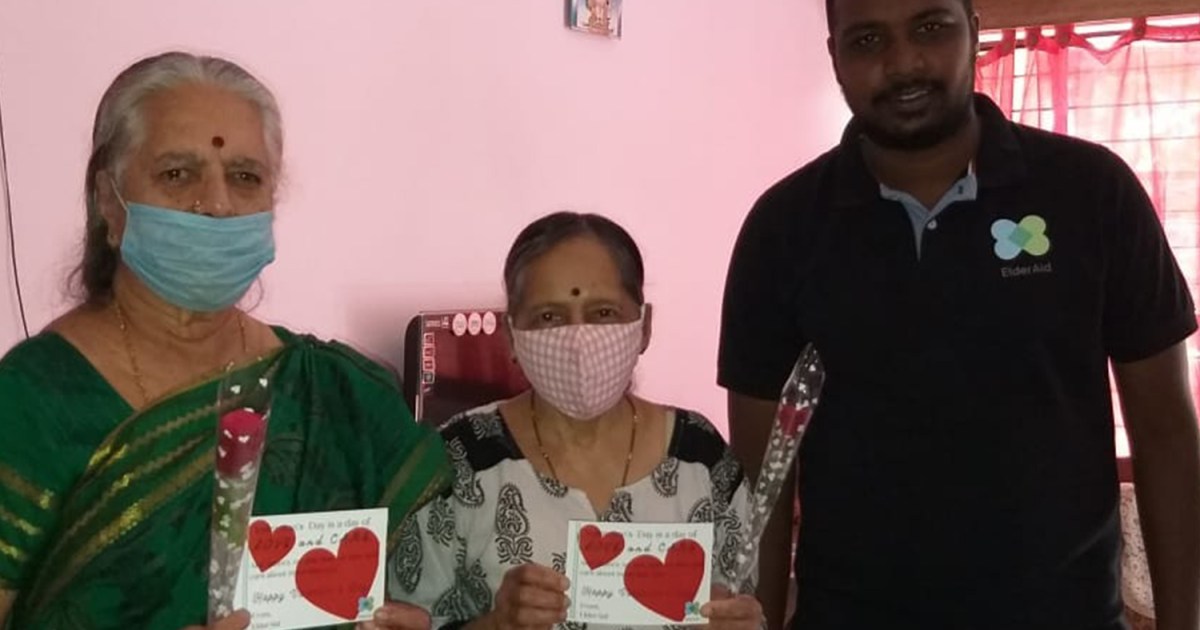
In Gurugram, a suburb of New Delhi, 26‑year‑old Roney Raju walks beside the elderly couple S Budhiraja and his wife while they shop. Raju is a “hired grandson” employed by a local startup that provides paid companions for older adults. The Budhirajas, whose daughters live in the United States, say Raju has become a trusted member of their household. “I feel he understands me 200 percent,” the 80‑year‑old Budhiraja told Al Jazeera, while Raju added, “Right now, he is family to me.”
India’s population of people over 60 rose to 10.5 percent in 2022 and is projected to reach 21 percent by 2050, the UN Population Fund and the International Institute for Population Sciences estimate. That would mean roughly 347 million elderly Indians, almost the size of the United States, will need specialised care. The senior‑care industry is expected to be worth about $7 billion, according to government estimates.
Raju’s employer, Gaurav Mittal, charges 450 rupees ($5) per hour for 10 hours of service per month, or 400 rupees ($4.50) per hour for 25 hours. Unused hours roll over to the next month. Mittal’s business caters mainly to urban families with higher incomes; the average per‑capita income in India is about 220,000 rupees ($2,750) a year.
Companions undergo police verification and often shadow senior staff before working alone. Most have training in psychology, social work or hospitality. Vinay Kumar, a companion in Hyderabad, says the role is not just task‑based: “We develop a relationship with our clients. We support them and spend quality time so they don’t miss their close ones.”
Loneliness among older adults is a growing concern. A 2022 national survey found 20.5 percent of middle‑aged and older adults reported moderate loneliness, and 13.3 percent reported severe loneliness. Among those over 60 living alone, 37 percent felt lonely. A 2025 WHO‑commissioned study linked loneliness to about 871,000 deaths a year.
Many seniors seek companionship rather than medical care. CEO Santosh Abraham of a Bengaluru startup notes that clients often ask for someone to sit and talk for an hour when nothing is physically wrong. “They just want company,” he says.
The emotional bond between companion and client can be strong. Raju says forming an emotional connection is never easy and varies each time. Kumar recalls a client who, after learning English and Hindi, asked him to perform final rites after the client’s death in 2023.
Companions are advised to set boundaries. Prashanth Reddy, founder of the Hyderabad company that employs Kumar, stresses that companions provide support, not medical or mental‑health care. Abraham emphasizes listening over talking.
For families, paying for a companion removes the awkwardness of asking relatives or neighbors for help. Vinnay K, a U.S. software professional, has hired a companion for his aging mother for five years.
Shilpa Bandyopadhyay, an assistant professor at Jindal Institute of Behavioural Sciences, argues that the rise of professional eldercare raises questions about India’s family‑centric society. She calls for a balanced ecosystem that includes families, community networks, public spaces and affordable professional services, and stresses that the key is whether older people feel seen, heard, safe, valued and meaningfully connected.
Back in Gurugram, Budhiraja says he would ensure Raju’s presence if he ever missed a day. “I need him. As you grow older, the needs are more.”
Frequently asked questions
How much does a paid companion cost in India?
Raju’s employer, Gaurav Mittal, charges 450 rupees ($5) per hour for 10 hours of service per month, or 400 rupees ($4.50) per hour for 25 hours. Unused hours roll over to the next month.
What training do companions receive?
Most companions have training in psychology, social work or hospitality, and they undergo police verification and often shadow senior staff before working alone.