World
Trump Administration Bars Range of Canadian Goods Amid Escalating Trade Dispute
By Today News Hours Editorial Desk
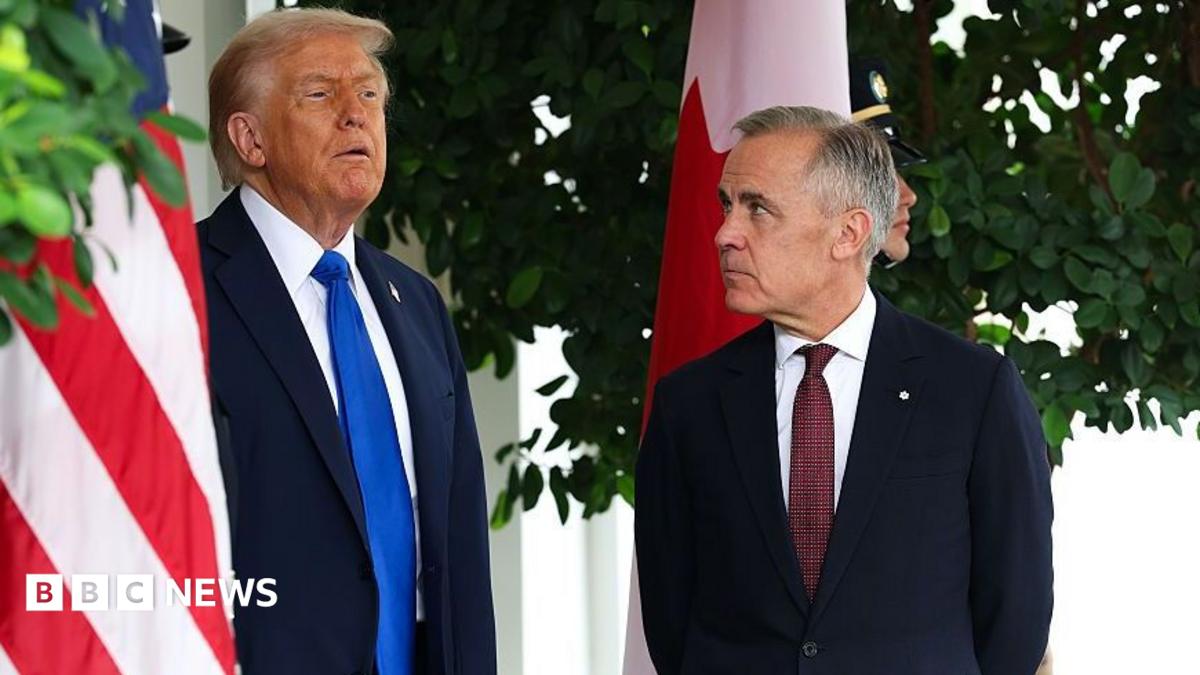
The United States has imposed new import restrictions on numerous Canadian products, including alcoholic spirits, dairy items and motorbikes, in response to Canada's retaliatory tariffs on American goods. President Donald Trump signed a series of executive orders on Tuesday accusing Canada of "discriminating" against the US, with the import ban set to take effect on 29 September. Earlier that day, Canadian Prime Minister Mark Carney stated in a video address that his country's shift away from relying on the US as its top trading partner "will come at a cost." Officials from both nations have expressed interest in reaching a trade agreement, but no new negotiations have been scheduled since talks broke down in late August. This latest move marks another escalation in a trade conflict between the two countries that has lasted several months. Historically close economic partners, more than two-thirds of Canada's total exports typically go to the US, while Canada ranks as the second-largest trading partner of the US after Mexico. Business owners in both countries have voiced concerns about rising prices and declining customer numbers as a result of the dispute. Last month, the White House placed 50% tariffs on roughly $20bn worth of Canadian goods following the collapse of several rounds of negotiations. These tariffs affected industries such as furniture, wine, and sporting and fishing equipment. Canada retaliated with matching tariffs on US products including steel, clothing and furniture, which took effect just after midnight on Tuesday. According to the White House, Canada has been restricting American goods while not applying similar limits to products from other countries. Under the new measures, some items—such as whey and non-alcoholic beer—are now completely banned from import, while tariffs have increased on others, including cheese and motorboats. On Monday, Trump signaled further trade action, warning Canadian aircraft manufacturer Bombardier that it would lose access to the US market unless it relocated manufacturing operations there. Trump has consistently argued that tariffs help correct trade imbalances, though his broad use of them has strained relationships with several longtime allies. In Canada, a widespread boycott of American products, particularly alcohol, has led some goods to disappear from store shelves since Trump's global tariff initiative began last year. Deborah Elms, a trade expert with the Hinrich Foundation, told the BBC that the ban could have a significant effect on Canadian companies selling to US buyers, although preliminary estimates suggest a more limited impact, affecting around $1bn in goods. She said Canada would likely maintain its current approach for now while adjusting support measures for affected businesses. Elms added that the more pressing issue is what will bring both sides back to the negotiating table, noting that the tone of the recent proclamations does little to encourage renewed talks. Among the Canadian products now banned by the US are various dairy items such as whey, cane molasses, non-alcoholic beer, several wine, rum and vodka products, malt beer, and motorbikes including mopeds. Goods now facing higher tariffs include various cheeses, raw hides and skins, paper, some furniture and mattresses, certain metals like aluminium and iron, motorboats, golf carts, fishing rod components, and switchboards. Speaking as Canada's countermeasures took effect, Carney said, "There's always a cost to action. But it doesn't come close to the cost of standing still." Tensions between the two nations have extended beyond trade; in August, Trump ordered that Lake Ontario be renamed Lake America, sparking backlash from Canadians and some Americans alike.