Health
Dutch Parents Opt for Duo‑Euthanasia, Leaving Only Son to Grieve
By Today News Hours Editorial Desk
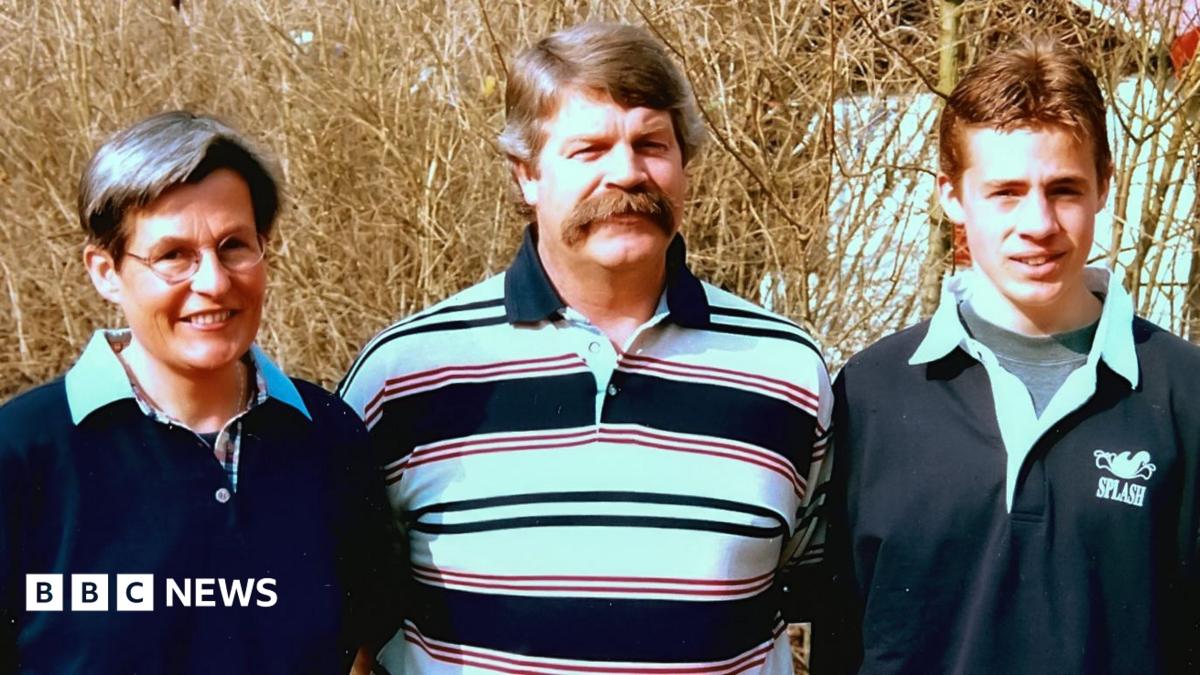
In early June 2024, Bas drove his parents, Jan and Els, from their campervan in a sunny marina in northern Netherlands to a local hospice. The 70‑year‑old couple, who had spent most of their married life on water, could no longer manage a houseboat and had chosen to end their lives together. At 10:30 a.m. the same morning, doctors administered lethal medication, and the couple died side by side in what is known in the Netherlands as duo‑euthanasia. The practice is legal and, although rare, is increasingly chosen by Dutch citizens each year.
Three days before the appointment, Jan and Els gave a BBC interview from their campervan. Jan suffered from chronic pain caused by years of hauling cargo on inland waterways, while Els had been diagnosed with dementia. Their story attracted global attention.
Bas, the couple’s only child, has spoken about the emotional burden of his parents’ decision. He tried to persuade them to delay their deaths, citing the possibility that Els’ Alzheimer’s could worsen and that Jan had been considering euthanasia for more than a decade. He wrote an eight‑page letter to them two days before the hospice visit, expressing gratitude and reflecting on their lives. After reading the letter, Jan hugged Bas, a moment he described as “one of the best moments.”
During the drive, Bas recalled that Els was resolute about the decision, while Jan was more emotional. He noted that Els had always enjoyed life and had expressed a desire to live into her 80s or 90s. Jan, however, had long discussed euthanasia due to his pain. Bas reassured his father, and the car ride continued with music and quiet scenery.
At the hospice, Bas watched his parents lie side by side on hospital beds as doctors injected the lethal medication. He described seeing them hand in hand in their final moments, a sight that gave him a “really good feeling” that they were truly doing this together.
After the deaths, Bas experienced profound loneliness and physical grief, feeling “like my legs were cut off.” He has said he would not recommend this experience to others, noting that while it may have been the best option for his parents, losing both at the same time was deeply impactful.
In 2024, 9,958 people in the Netherlands chose death by euthanasia, 427 of whom had dementia, and 108 chose duo‑euthanasia (54 pairs). Dr. Rozemarijn van Bruchem, a geriatrician and ethicist at Erasmus Medical Centre in Rotterdam, explained that patients with dementia face anxiety about the timing of euthanasia, as they must still have the capacity to decide. She noted that in countries where euthanasia is prohibited, such as the UK, people with dementia rarely face these life‑or‑death decisions.
Bas attended all of his parents’ meetings with doctors and had open family discussions. He has said that nothing was left unsaid, and that the letter and the hug on the last Saturday night were the culmination of their communication.
The story highlights the complex emotional and ethical considerations surrounding duo‑euthanasia in the Netherlands, especially for couples where one partner has dementia.
Frequently asked questions
What is duo‑euthanasia?
Duo‑euthanasia is a legal practice in the Netherlands where a married couple chooses to end their lives together, receiving lethal medication side by side.
How many people chose duo‑euthanasia in 2024?
In 2024, 108 people chose duo‑euthanasia, forming 54 pairs.
What health conditions did Jan and Els have?
Jan suffered from chronic pain caused by years of hauling cargo on inland waterways, and Els had been diagnosed with dementia.