India
Supreme Court Orders Return of Seized Revolver to Acquitted Bodyguard
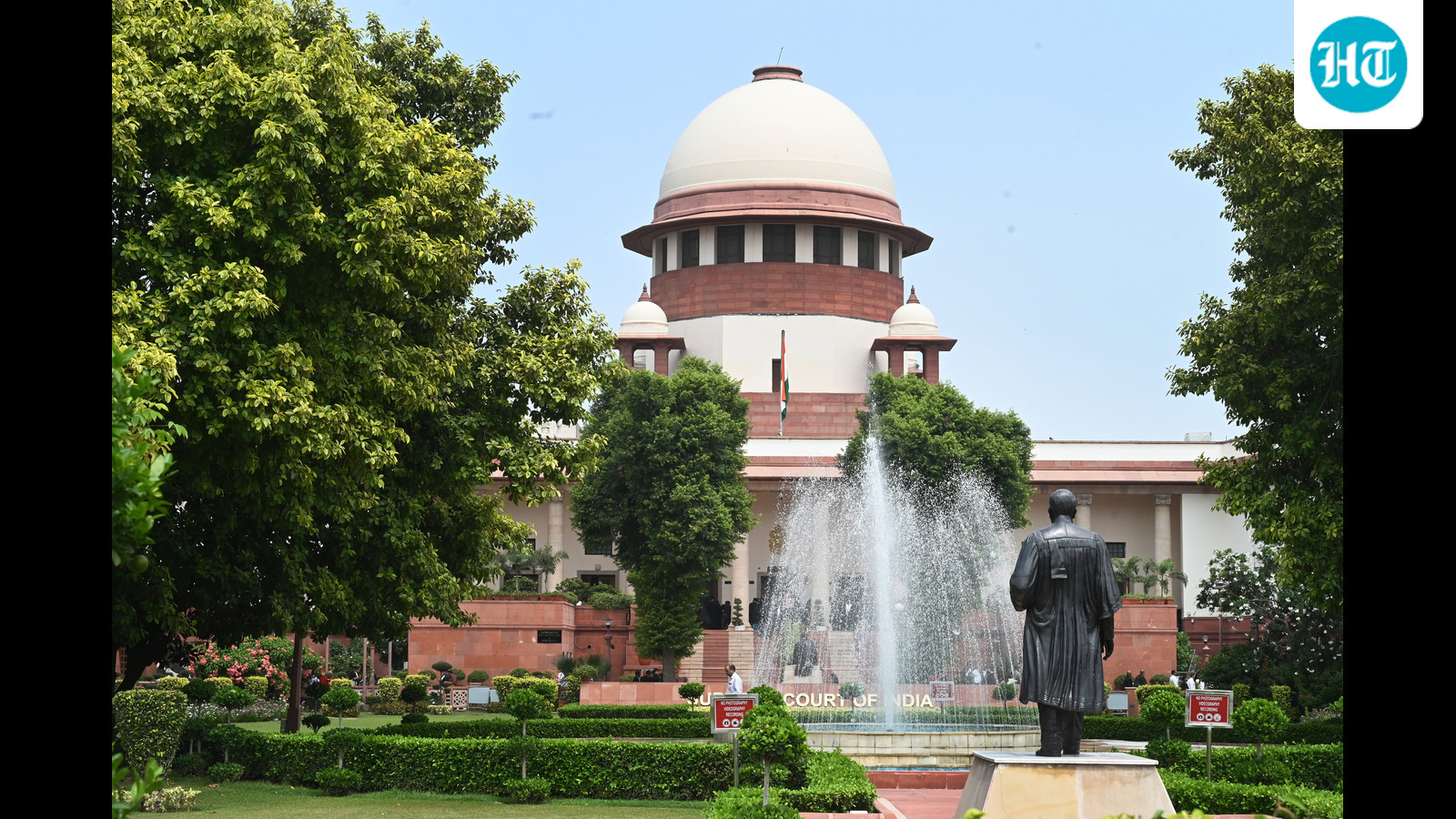
Mohammad Jamal Mohammad Yunus, a private bodyguard, had his licensed revolver seized by police in 2012 during an investigation into an FIR registered at Bazar Peth police station in Jalgaon. The case involved allegations of attempt to murder, abetment and destruction of evidence, as well as violations of the Arms Act. Yunus was named as the eighth accused. In March 2013, a sessions court acquitted all eight accused and directed that the seized articles be returned after the appeal period expired. Yunus applied to the sessions court in January 2014 for the return of his weapon, stating that he could not find employment without it and was willing to comply with any conditions for its release. The application was rejected in February 2015 because an appeal against the acquittal was pending. A similar outcome followed in the Bombay High Court, which in March 2015 directed that his application be heard along with the appeals against acquittal. Both remained pending for years. In March 2024, Yunus approached the Supreme Court under Article 32 of the Constitution. The bench, comprising Justices Vikram Nath, R Mahadevan and Aparesh Kumar Singh, ruled that the pendency of an appeal against his acquittal cannot, by itself, justify keeping his revolver away from him indefinitely. The court noted that Yunus, who supports a family of six, had been deprived of his licensed revolver for more than a decade after his acquittal, and that the prolonged deprivation had directly affected his livelihood in the private security sector where possession of the revolver is necessary for employment. The bench directed Maharashtra to return the revolver to Yunus within eight weeks, subject to compliance with the applicable requirements under the Arms Act, 1959. The order does not affect the pending appeal against the acquittal before the Bombay High Court. The ruling underscored that seizure of property during an investigation should not translate into its indefinite retention, especially when the trial has ended in acquittal and no other ground has been shown to warrant keeping it. The Supreme Court emphasized that Section 452 of the Code of Criminal Procedure requires courts to determine whether seized property should be returned or retained at the conclusion of a trial, and that the mere pendency of appeals cannot justify withholding the return of the revolver without examining the claim on its merits.
Frequently asked questions
Who were the Justices on the Supreme Court bench that ruled?
Justices Vikram Nath, R Mahadevan, and Aparesh Kumar Singh.
When did the Supreme Court issue the order to return the revolver?
March 2024.
Does the Supreme Court order affect the pending appeal against the acquittal?
No, it does not affect the pending appeal before the Bombay High Court.