World
Survivors Say Police Ignored Sexual Abuse by Drug Gangs During Their Teenage Years
By Today News Hours Editorial Desk
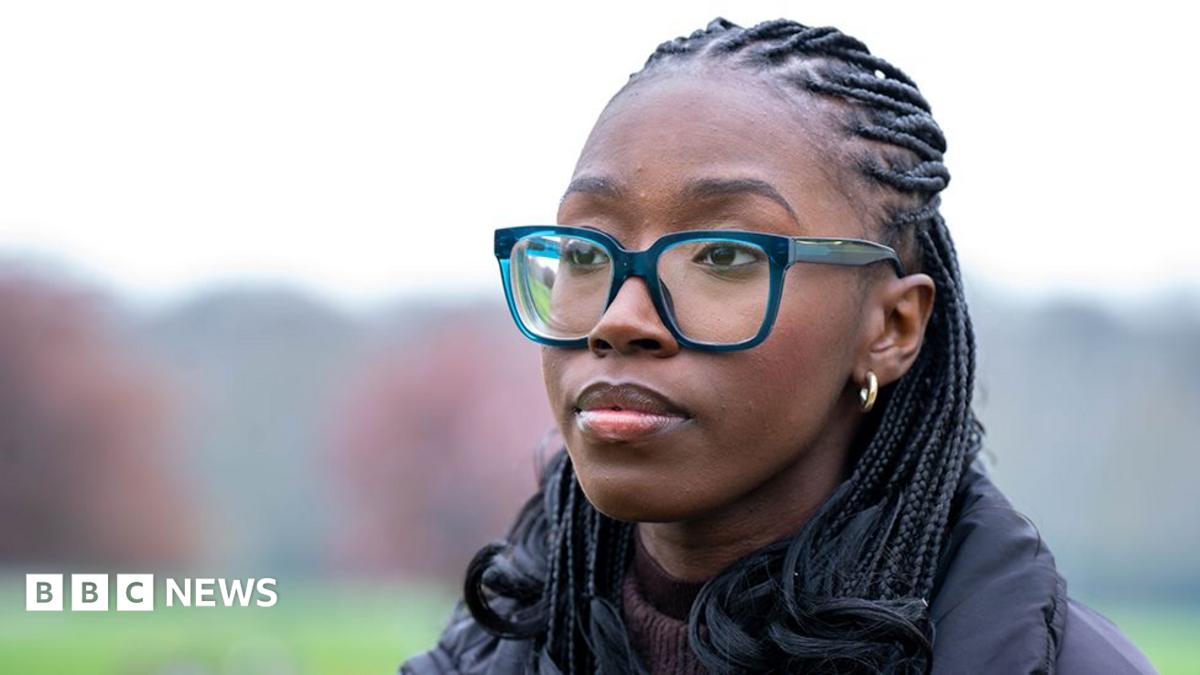
Four women who were sexually exploited as children by members of drug gangs have told the BBC that police failed to take their abuse allegations seriously, focusing instead on drug offences.
The women, who agreed to be identified for a BBC documentary titled Britain's Forgotten Girls, described being targeted between 2002 and last year by boys and men connected to criminal drug networks. Despite differences in their individual experiences, their accounts reveal similar patterns: manipulation into abusive relationships followed by repeated sexual exploitation.
Christine, who grew up in London before moving to Coventry after her parents divorced, was 13 when she began exchanging messages online with a man she believed was a teenage boy. She later discovered he was a decade older and involved in gang activity. What started as a relationship escalated into years of abuse. On her 14th birthday, she says her boyfriend asked her to have sex with his friends to "help him out." She complied, feeling disgusted, and the demand soon became routine. Over more than eight years, she says she was repeatedly raped by men linked to the gang and was also used to courier drugs.
Annie, from south-east London, said she initially felt flattered by attention from three older boys involved in drugs. The situation turned violent when the boys got her drunk, raped her, and photographed the assault, later using the images to coerce her into further abuse involving multiple men over several years.
Holly, from Manchester, was recruited by a gang as a child to sell drugs in the city centre and later to transport them to locations including Carlisle and London. She says she was also sexually assaulted multiple times by gang members but came to view the abuse as normal, believing it meant she belonged to a group that cared for her.
Connie Muttock of the children's charity Centre for Young Lives explained that while grooming gangs are primarily focused on sexual exploitation, drug gangs are motivated chiefly by profit from drug sales and other crimes, though girls recruited into these networks are frequently also sexually abused. She noted that girls have long suffered abuse and coercion within drug gangs.
The National Crime Agency has said gangs often exploit girls criminally because they are considered less likely to be stopped or searched by police for drug dealing.
All four women said police did not adequately respond to their reports. Christine said that when she was 15 and social services alerted police, investigators seemed more interested in gathering information about drug operations than addressing the abuse she disclosed. Violet, who became involved with a south London gang at 13, said that after reporting repeated rape and abuse, she was told police had "bigger fish to fry" when she inquired about the investigation's progress. She later received compensation from the Criminal Injuries Compensation Board but learned by letter that her case had been closed without going to trial. Holly recalled being accused by an officer of seeking a "free lift home" when she approached police while fleeing an assault, visibly injured. Annie was told her attackers would not be prosecuted due to insufficient chance of conviction, leading her to feel that the lack of police action made her doubt whether what happened to her constituted abuse.
None of the four women have seen anyone prosecuted for the abuse they say they endured.
A 2012 inquiry by the Children's Commissioner for England, led by then-deputy commissioner Sue Berelowitz, estimated that 16,500 children were at risk of exploitation by grooming groups or criminal gangs. Berelowitz said some senior figures struggled to accept the scale of the problem, with one government source reportedly describing the report's language as "hysterical." The report's release coincided with the conviction of nine men in Rochdale for grooming, which Professor Carlene Firmin of Durham University said overshadowed the broader issue of drug gang exploitation.
A more recent government-commissioned audit by Baroness Louise Casey into group-based child sexual abuse did not focus significantly on drug gang exploitation, but raised concerns that authorities often fail to recognize when a child is being both criminally and sexually exploited simultaneously. Former Home Secretary Yvette Cooper told parliament she did not believe this type of exploitation had been sufficiently investigated. The BBC understands the issue will now be examined by the Independent Inquiry into Grooming Gangs, established following Baroness Casey's report.
Acting Chief Constable Rebecca Riggs, speaking for the National Police Chiefs' Council, called the women's experiences "devastating" and said she was "deeply sorry" that they felt unheard or unsupported. "We did not always get it right, and where we failed victims, we continue to acknowledge it and learn from it," she said.
All four women have since rebuilt their lives. Violet works in reproductive health services, Annie founded the Hear Her Collective to support girls and young women, and Holly researches child criminal exploitation and the care system at the University of Sheffield. Christine, who recently graduated from university and married, has written a book about her experiences. "I've learned to turn my pain into purpose," she said. "It's not been an easy journey."