India
Delhi’s Vehicle Ban Fails to Improve Winter Air Quality
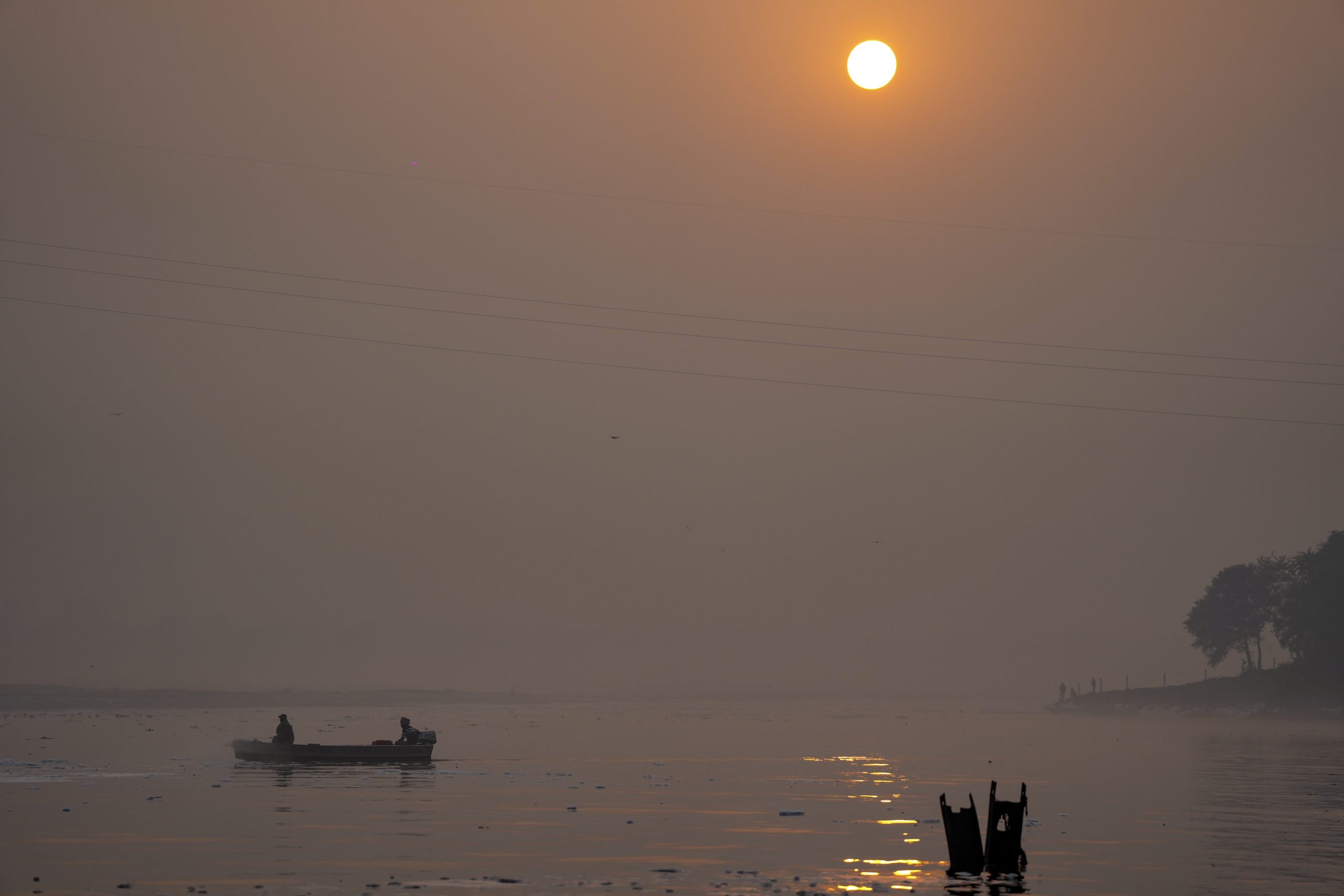
As Delhi enters another winter, air pollution returns as the season’s most predictable problem, prompting the government to impose restrictions, prohibitions, emergency orders and new rules aimed at cleaning the air. The latest measure is a ban on BS‑IV and older vehicles entering the city from November 1 to January 31, 2027, under the revised Graded Response Action Plan (GRAP). The ban is intended to reduce emissions by limiting older vehicles, but a recent report by Manoj Kumar of the Centre for Research on Energy and Clean Air (CREA) shows that Delhi spent almost 80 % of its winter under GRAP Stage II or stricter restrictions and still saw no sustained improvement in air quality. In 10 of the 12 instances when Stage III or IV measures were imposed, the Air Quality Index (AQI) actually worsened the following week. The CREA analysis found no lasting improvement over four consecutive winter seasons.
Delhi is India’s most polluted city, with an annual average particulate‑matter concentration of 197 µg/m³. The city’s pollution comes from many sources, including stubble burning in Punjab and Haryana, construction dust, industrial emissions, waste burning, brick kilns, diesel generators, thermal power plants and meteorological conditions. A reduced‑complexity model shows that a large fraction of urban PM₂.₅ originates from emissions outside Delhi’s boundaries, i.e. transboundary pollution from the wider National Capital Region (NCR). Yet policy focus remains disproportionately on private vehicles, which are seen as the most visible and politically convenient target.
Under the new regime, a vehicle that meets registration rules may suddenly become unusable for daily travel through Delhi. Hundreds of thousands of commuters travel into the city each day from Gurugram, Noida, Ghaziabad, Faridabad and other NCR cities. The ban adds uncertainty to mobility decisions and increases costs for vehicle owners, who already face rising fuel prices, insurance premiums, registration fees and maintenance costs. The frequent regulatory changes leave consumers unsure whether to buy electric, CNG, hybrid or conventional BS‑VI vehicles.
The policy also disrupts retail activity, logistics and consumer movement during the festive season. Environmental policy cannot be divorced from economic realities, especially when millions of livelihoods depend on seamless regional connectivity. The strategy places the burden of adjustment largely on ordinary citizens while leaving many structural causes inadequately addressed.
The government’s pattern of highly publicised initiatives that create the appearance of action without measurable results continues. For example, last year an artificial rain experiment involving cloud‑seeding flights in late October 2025 produced no rainfall. Coal‑fired power plants emit large quantities of sulphur dioxide (SO₂), which later transforms into PM₂.₅. Although the government ordered thermal power plants to install flue‑gas desulphurisation (FGD) systems almost a decade ago, compliance deadlines have been repeatedly extended. CREA estimates that coal plants within 300 km of Delhi‑NCR emit roughly 154 kilotonnes of SO₂ annually, with about 90 % of those emissions coming from plants that lack FGD technology.
Delhi’s pollution crisis cannot be solved by turning city borders into environmental checkpoints. As long as policymakers favour visible restrictions over structural reforms, citizens will continue to bear the cost of headline‑making policies that inconvenience commuters and businesses but leave the air largely unchanged.
Frequently asked questions
What is the duration of Delhi's vehicle ban under the GRAP?
The ban applies to BS‑IV and older vehicles entering Delhi from November 1 to January 31, 2027.
Did the vehicle ban improve Delhi's winter air quality?
According to a CREA report, Delhi spent almost 80 % of its winter under GRAP Stage II or stricter restrictions and saw no sustained improvement; AQI worsened in 10 of 12 Stage III/IV instances.
What are the main sources of Delhi's PM2.5 pollution?
Sources include stubble burning in Punjab and Haryana, construction dust, industrial emissions, waste burning, brick kilns, diesel generators, thermal power plants, and meteorological conditions; a large fraction originates from outside Delhi (transboundary pollution).