Politics
Palestinian Citizens of Israel Face Loyalty Tests After Record Arab Party Gains
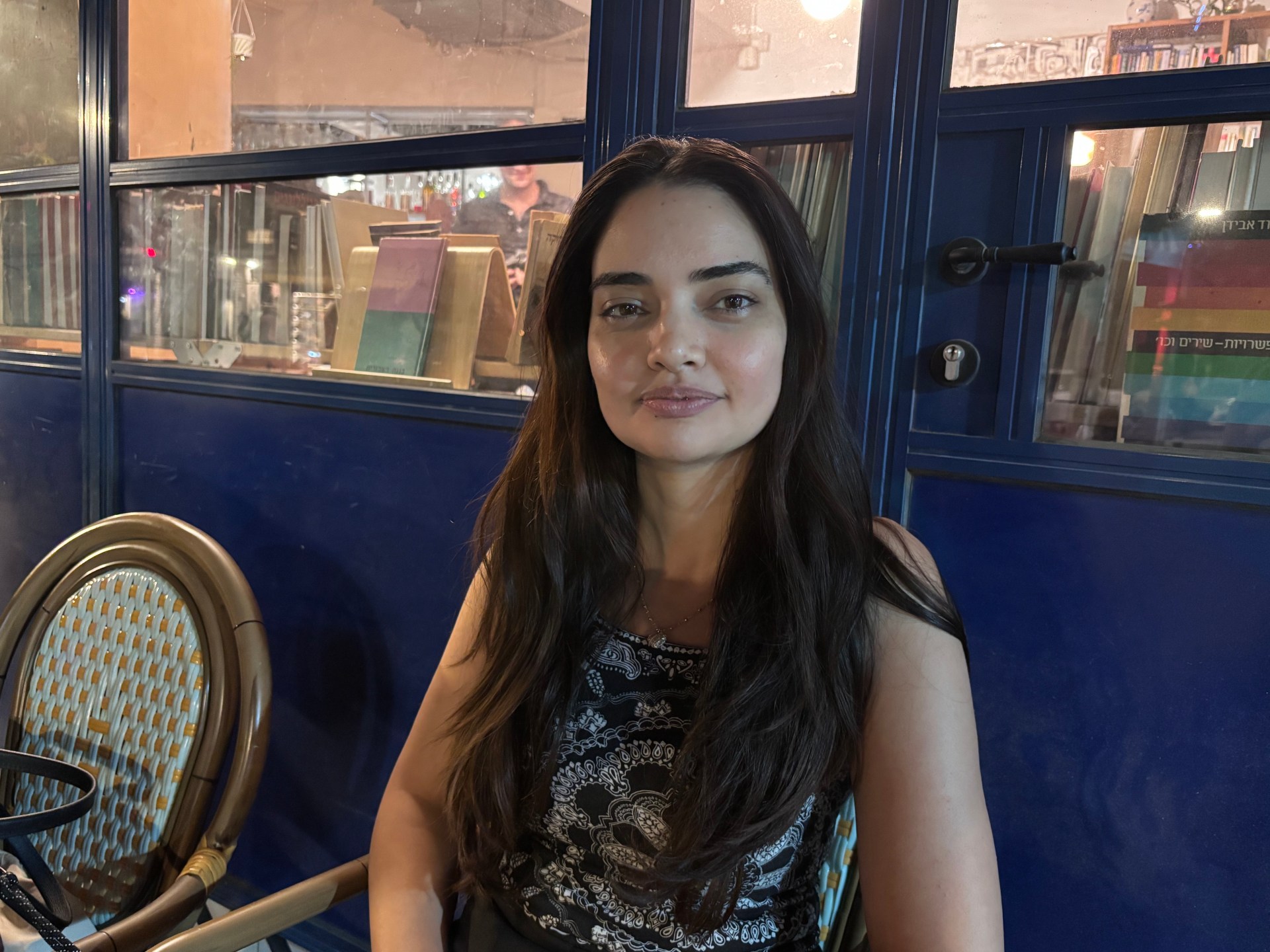
Palestinian citizens of Israel say that the success of Arab parties in the October 27 election has increased pressure on them. In Arrabeh, where Palestinian citizens form an overwhelming majority, 31‑year‑old Lama Yassin drove to polling stations and witnessed families voting together. She said it was the first time in a long time that she felt hope for change.
The high Arab turnout gave the Arab parties a record 19 seats in the Knesset. Thabet Abu Rass, an expert on Jewish‑Arab relations, had warned that the seats would push the opposition bloc past the 61‑seat threshold needed for a ruling coalition. Instead, Yassin noted that Israeli media invited “Jews to talk about Arabs and Arab voter turnout,” with almost no Arab guests, and that the conversation focused on the perceived danger of Arab voters.
Channel 14, a hard‑right pro‑Netanyahu station, repeatedly used the term “election terrorism.” Within a day of the vote, Likud and figures such as Itamar Ben‑Gvir accused Arab parties of stealing the election through bribery, threats, violence, and forgeries. The Central Elections Committee and Israeli police later found no evidence of organized tampering. Yassin posted a viral Instagram video that highlighted the double standards she sees: “Eating hummus with us? ‘Brothers and friends’. Seeking political power? ‘Terror supporters’. Voting in large numbers? ‘Terror at the ballot box’.”
In Jaffa’s Ajami neighbourhood, where Palestinian residents have lived since before 1948, the election has become a political crossroads. Omar Siksik, a former city councilman and co‑chair of Kulna Yaffa, described the moment as unprecedented representation met with renewed delegitimisation. He recalled the history of Ajami, once a “ghetto” after the Nakba, and the struggle for basic existence.
Many Palestinian citizens feel they remain in Israel out of necessity rather than equality. After October 7, Israel revoked tens of thousands of work permits for Palestinians from Gaza and the West Bank, replacing essential jobs with short‑term foreign labour. Yassin cited fabricated stories on Israeli social media that Arab doctors were poisoning Jewish patients at Rambam Hospital in Haifa.
Yassin’s own experience of trying to be accepted in Israeli society illustrates the broader issue. She learned Hebrew so well at Ben‑Gurion University that no one knew she was Arab, worked in a Jewish workplace near Jerusalem, and even voted for the left‑wing Meretz party to prove she was “fully Israeli.” Yet she could never escape a sense of otherness.
The post‑election period has seen further loyalty tests. On November 3, security officers raided the home of journalist and activist Abed Abou Shehadeh, arresting him in front of his children. Seven Bedouin men were arrested on suspicion of paying people to vote for Ra’am. Arab political leader Ayman Odeh faces investigations by Shin Bet over alleged foreign funding.
Abu Rass warned that the Arab parties’ success has not yet translated into lasting partnership. While the anti‑Netanyahu bloc has agreed to remove Speaker Amir Ohana and halt the judicial overhaul, it has also signalled that it will rely on Arab parties only for the coming months to stabilise the government. Even Avigdor Liberman, a former opponent of Haredi draft‑dodging, now signals willingness to work with Haredi parties without Arab participation.
President Isaac Herzog condemned recent racist expressions and asked Ra’am leader Mansour Abbas whether he considers Hamas a terrorist organisation. Abbas has repeatedly condemned the October 7 attacks.
Yassin says the loyalty tests are never-ending. “Even if the two million Arabs who live here say ‘we condemn Hamas,’ the day after we will have another loyalty test,” she says. She fears that a Jewish‑only coalition would mean a step back from democracy.
In Ajami, many residents have lost the optimism of election night. Nadia, a middle‑aged shopkeeper, said she is not optimistic: “If we raise our voice in the streets, we are arrested. If we raise our voice in the ballot, we are dismissed.” Siksik fears catastrophic outcomes. Yet Nadia would vote again if it means keeping Ben‑Gvir and Smotrich out of government.
Yassin concludes that Palestinian citizens do not have the privilege of giving up. “If we don’t do this work, no one will,” she says. She now looks at even liberal Israelis differently, wondering whether they would support Arab parties in a coalition. If they do not want her representatives, she believes they do not want her at all.