Politics
New Zealand Election Results Remain Uncertain as Early Counts Show No Majority
By AFP
On Saturday, November 7, 2026, early results from New Zealand’s election indicated that no party was close to securing a majority. The campaign had been dominated by concerns over the rising cost of living and the economy, with unemployment at its highest level in more than a decade and basic goods prices remaining stubbornly high. The war in West Asia and the subsequent global fuel shock have been widely blamed for a hit to New Zealand’s trade‑dependent economy.
Prime Minister Christopher Luxon, leading the right‑wing National Party, hoped his coalition could stay in power by promising no new taxes after three fractious years in office, two failed attempts by his own party to oust him as leader, and an economy in the doldrums. Former Premier Chris Hipkins’ centre‑left Labour Party promised assistance with living costs, including free doctor visits and prescriptions and a cap on public transport fares. Hipkins said on Friday, November 6, that he was sure his party would "exceed expectations".
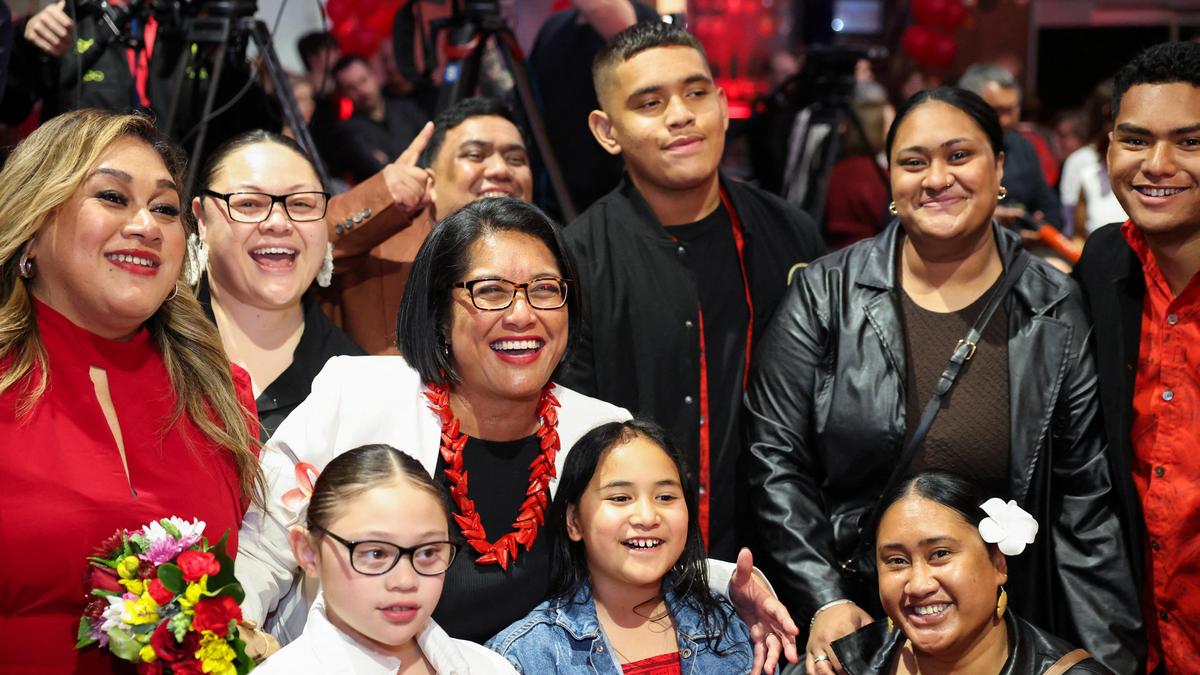
At a Labour event in Upper Hutt near Wellington, party workers were quietly confident they had secured the largest number of seats. At a National gathering in Auckland, cheers rose as the party’s candidates were shown to be ahead. Police minister and National lawmaker Mark Mitchell told journalists that the race was "very close". "When you reflect on what’s happening globally, we certainly see lots of geopolitical uncertainty," he said. "I think considering that we’ve governed through that period, we’re actually doing quite well."
By 9:00 p.m., with over 30% of the votes counted, the two main parties were neck‑and‑neck: National projected 41 seats and Labour 36, according to the electoral commission. Neither party is expected to win enough seats to govern alone, drawing attention to minor parties, especially the upstart centrist Opportunity Party. Under New Zealand’s mixed‑member proportional representation system, voters must select a general party list and an individual electorate candidate. Early results put Opportunity at just over five percent, the threshold needed to gain seats in Parliament without an electorate win.
The Opportunity Party is led by former KPMG consultant Qiulae Wong, who has vowed a kinder, gentler politics and said she could work with whichever party wins the most seats. "You guys have voted for unity over division," she said as votes trickled in. "You have voted to change New Zealand politics for good."
David Capie, a professor at Victoria University of Wellington, said voter fatigue with the two establishment parties was fuelling Wong’s rise. "In some ways, it looks to me a bit like a blank slate where people are projecting what they would like," he said.
A final opinion poll released on Friday, November 6, put Labour at 30% of the vote, just ahead of the National Party. Prime Minister Luxon has said he is "given up on polls" and urged voters on Friday to "stick to the plan that’s working". "Don’t risk a Labour government," he warned.
Labour was turfed out of office in 2023 after struggling to inspire voters following the resignation of former Prime Minister Jacinda Ardern, who became a global progressive icon. Hipkins has not inherited her star quality, instead portraying himself as an everyman, joking about his poor dress sense, love of sausage rolls and passion for DIY. The party will likely need to govern in coalition with the left‑wing Green Party, which has surged to record support with a focus on the rising costs of living.
Frequently asked questions
What is the current seat projection for National and Labour?
National projected 41 seats and Labour 36, according to the electoral commission.
What is the threshold for a party to gain seats in Parliament without an electorate win?
The threshold is just over five percent, which Opportunity Party has reached.