India
Maharashtra to Lease Reservoir Land for Fodder in 304 Drought-Affected Talukas
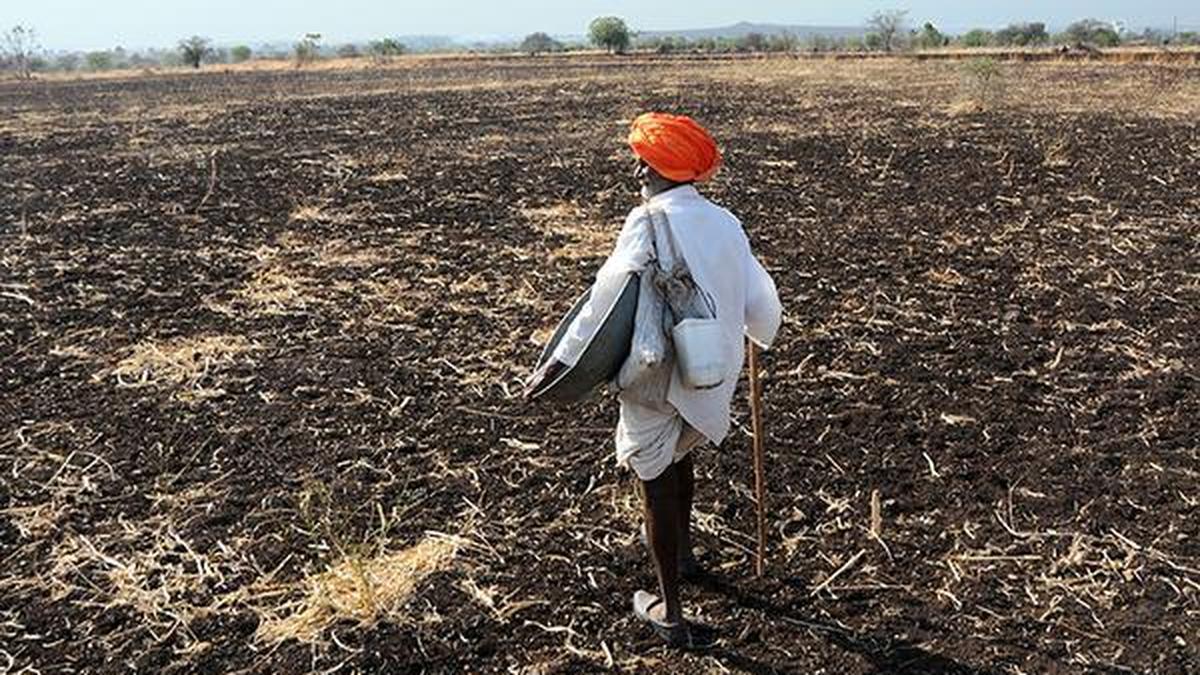
The Maharashtra government will lease exposed cultivable land in reservoirs and tanks across 304 talukas declared drought‑affected to farmers and livestock owners for short‑duration fodder crops, said Soil and Water Conservation Minister Sanjay Rathod on Friday, November 6, 2026. The move aims to improve fodder availability for livestock during the 2026 kharif season, which has suffered from rainfall deficiency.
On November 5, the Soil and Water Conservation Department issued technical guidelines outlining conditions for cultivation, land allotment and water use. Farmers may grow fodder crops such as maize, sorghum, pearl millet, nutrifeed, berseem and oats on eligible land under the department’s jurisdiction, with a preference for maize and sorghum grown for silage. The guidelines apply to minor irrigation tanks, storage tanks, percolation tanks, village tanks and former Malguzari tanks, among other water bodies.
The government has stipulated that drinking water requirements take precedence over cultivation. Reservoirs that supply drinking water schemes or are used for filling water tankers will remain subject to existing drinking water reservations. Areas undergoing repairs, desilting or restoration work will not be available for cultivation. Only cultivable land exposed between a reservoir’s full reservoir level and its actual water level will be eligible for allotment.
To protect reservoir infrastructure, cultivation is prohibited within 50 metres of the reservoir‑side toe of an earthen dam and within 30 metres of spillways, their approach areas and structures such as outlets, intake wells, jackwells, gauge poles and benchmarks. Chemical fertilisers and pesticides are also prohibited within 200 metres of drinking water source wells or jackwells.
Under the allotment process, officials from the Revenue, Agriculture, Animal Husbandry and Soil and Water Conservation departments will conduct joint surveys to identify eligible land. The executive engineer concerned must submit an availability report to a district‑level committee within 15 days of the government resolution. The committee, headed by the district collector, will review the land available under each project, approve allotments, select beneficiaries and determine the maximum area that can be leased to an individual beneficiary.
Cultivation will primarily depend on moisture already available in the soil. Protective irrigation may be permitted only if surplus water remains after reserving sufficient quantities for drinking water and livestock requirements, and is subject to written permission from the executive engineer. Drip and sprinkler irrigation will be preferred. Water extraction for irrigation will be prohibited once reservoir levels reach dead storage or the level reserved for drinking water.
The government has restricted cultivation exclusively to fodder crops. Sugarcane, fruit crops, perennial crops, foodgrains and cash crops will not be permitted. Beneficiaries must complete harvesting and return the leased land to the department before May 31, 2027. They will not be entitled to compensation if rising reservoir water levels submerge standing crops.
The guidelines prohibit ploughing deeper than 20 centimetres, excavation or transportation of silt, soil, gravel or sand, and the digging of wells, borewells, farm ponds, pits or trenches. Construction, fencing, road development, temporary huts and tree planting are also prohibited. Movement of tractors or heavy vehicles over dam embankments and burning of crop residue will not be allowed. Violations may result in immediate cancellation of permission, and beneficiaries will be liable to pay for damage caused to reservoir structures or water storage facilities.
Mr. Rathod said tahsildars will publicise details of available land, lease duration, rental rates and application procedures through village notice boards, gram panchayats, tahsil offices and public announcements. Applicants must be given at least 15 days to submit their applications. Interested individuals and cooperative societies can apply to the respective tahsildar with residence certificates, landholding records or landless certificates, along with caste, project‑affected status, institutional registration and livestock‑related documents, wherever applicable.