World
Singapore Transport Minister Discusses COE Feebate Scheme and Car Population Limits
By Nadya Pang November 03, 2026, 03:03 PM
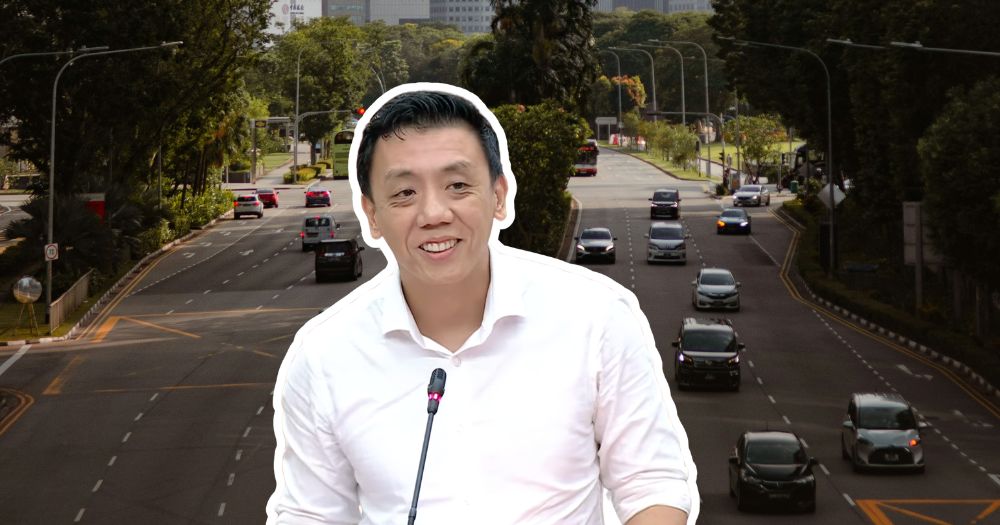
On 3 November, Minister for Transport and Second Minister for Finance Jeffrey Siow told Parliament that the Land Transport Authority (LTA) has concluded a public consultation on Certificate of Entitlement (COE) categorisation, which closed on 2 November, and is currently reviewing the submissions. The consultation covered a proposed COE scheme that would introduce rebates for mass‑market cars and surcharges for luxury cars, a plan that received majority support from respondents.
Siow explained that the new “feebate” scheme aims to maintain a permanent price distinction in COE premiums. MPs asked whether the changes would keep prices for mass‑market cars affordable and whether they would affect electric vehicle (EV) adoption. The scheme, drafted by Holland‑Bukit Timah MP Edward Chia, would apply rebates to lower‑value cars and surcharges to higher‑value cars, with a five‑band structure preferred by most respondents to reduce cliff effects.
The LTA has proposed either a three‑band or a five‑band system, with the maximum rebate or surcharge set at S$15,000 in both. Depending on band structuring, the price difference could reach S$30,000. Siow noted that the gap between Category A and Category B COE premiums has narrowed as EVs become more popular. Manufacturers and workshops can adjust EV power outputs via software, allowing the same car to qualify for different COE categories. Consequently, Category A premiums for smaller, less powerful models have exceeded Category B premiums for larger cars multiple times in 2026.
Under the LTA proposal, existing Category A and B COEs would merge into a single category for cars, while EV‑adoption support would remain separate. Siow said the government is studying a transport grant option and will provide more details later.
MP Chua Chu Kang’s MP, Choo Pei Ling, asked how the government would prevent the system from discouraging high‑performance EVs, which often have higher open market values, and from crowding out mass‑market buyers. Siow replied that a separate feebate structure for EVs was considered but would complicate the system; instead, EV adoption would be supported through the Vehicle Emissions Scheme.
MP Tin Pei Ling of Marine Parade‑Braddell Heights questioned whether the proposed feebate scheme would increase demand for lower‑valued vehicles and raise mass‑market car prices, and she asked about support for large Singaporean families. Siow acknowledged that families with young children may find public transport challenging but noted that any support would also consider families who choose not to buy a car. The government is studying a transport grant option.
Siow concluded that the car population cannot grow much further, citing the current 660,000 passenger cars and the fact that roads occupy more than 12 per cent of Singapore’s land area. The LTA expects to finish its review by the end of 2026 and will present findings and recommendations in the first half of 2027.
Frequently asked questions
What is the proposed COE feebate scheme?
The scheme offers rebates for lower‑value mass‑market cars and surcharges for higher‑value luxury cars, with a five‑band structure preferred by respondents.
What is the maximum rebate or surcharge under the new COE scheme?
Both the maximum rebate and surcharge are set at S$15,000, with a potential price difference of up to S$30,000 depending on band structuring.