World
U.S. Offers $20 Million Reward for Iran Nuclear Information Amid Ongoing Conflict
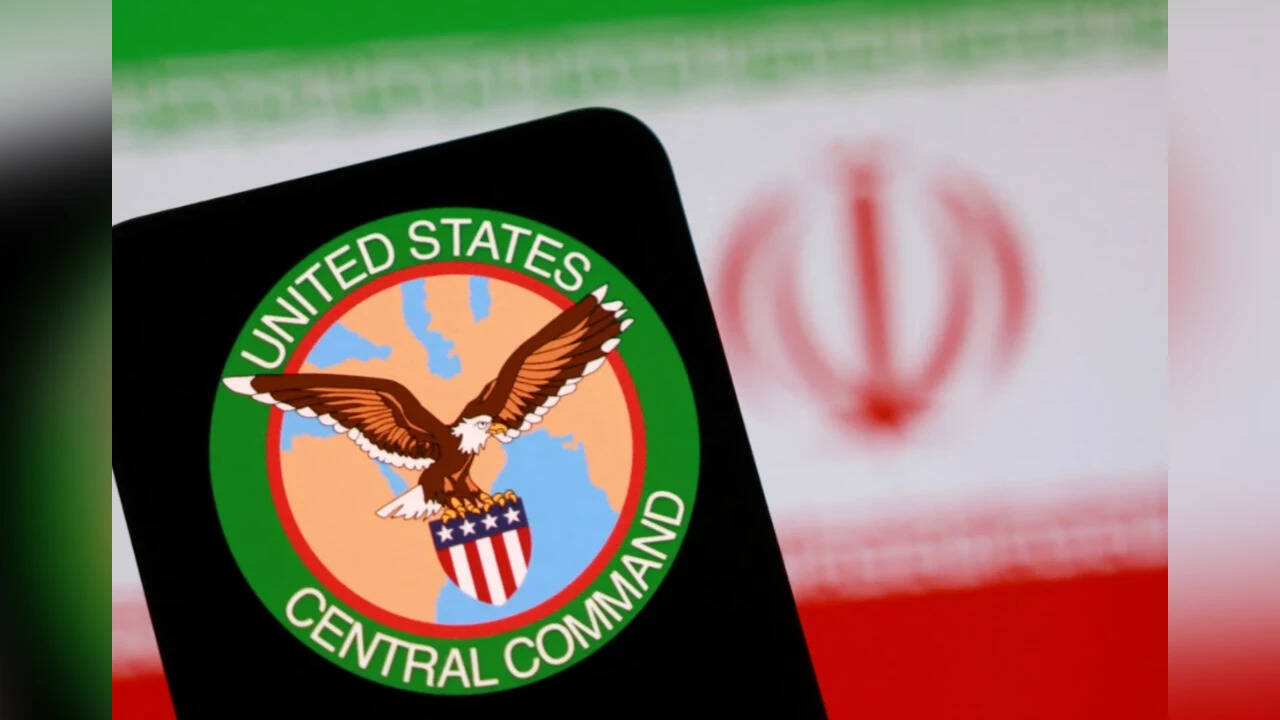
The United States has announced a reward of up to $20 million, plus possible relocation, for information about Iran’s nuclear programme, including details on facilities, equipment, and personnel. The offer was made by U.S. Central Command (Centcom) on Friday via a post on X, stating that the State Department’s Rewards for Justice programme is seeking information on Iran’s nuclear activities, including scientists and the movement of related equipment and personnel. The Rewards for Justice programme, established in 1984, provides financial incentives for information that protects American lives and interests.
In a statement, the State Department said Iran’s lack of compliance with the International Atomic Energy Agency (IAEA) safeguards obligations has caused the agency to lose “continuity of knowledge” regarding Iran’s production and inventory of key components such as centrifuges. The statement did not specify what information would qualify for the maximum reward.
The announcement came as President Donald Trump reiterated that Tehran was keen to reach an agreement to end the conflict, while claiming that Iran’s economy and military had been severely damaged over the eight‑month war. Trump also defended the U.S. military campaign against Iran, saying, “If we didn’t hit Iran, you wouldn’t have Israel today. If they had nuclear, they would have used nuclear. They would have obliterated the Middle East.” He said he still had to “take care” of one or two targets, including the so‑called Pickaxe Mountain in central Iran, a suspected nuclear site that Tehran denies.
Trump said the U.S. military carried out fresh, limited strikes on Iran on Friday, targeting its air defence systems. He described the action as “minor,” noting that the military knocked out an Iranian anti‑aircraft device within minutes. Iranian state media reported hearing two explosions in the Suza area of Qeshm Island, in the Strait of Hormuz.
Diplomatic efforts have continued to prevent a resumption of fighting. Iran’s President Masoud Pezeshkian said his government was still trying to resolve the crisis through dialogue. Two Middle East government officials told the Associated Press that Iran was reviewing proposals presented by Qatar, the chief mediator, to address differences with Washington over Tehran’s nuclear programme. Iran was unwilling to enter negotiations on its nuclear activities until the U.S. agreed to several conditions demanded by Tehran as part of a ceasefire agreement.
The proposed two‑day set of trust‑building measures includes lifting the U.S. blockade on Iran’s ports and releasing some of Tehran’s frozen funds in exchange for allowing IAEA inspectors to visit sites bombed by the U.S. and Israel. On the second day, Iran would reopen the Strait of Hormuz under a modified arrangement reached with Oman, a temporary measure until a permanent agreement on the waterway could be reached with other Gulf countries. The U.S. and Iran would then begin broader negotiations covering Tehran’s stockpile of highly enriched uranium and other aspects of its nuclear programme.
The IAEA has said Iran has 440.9 kg of uranium enriched to 60 % purity, a short technical step from weapons‑grade levels of 90 %. Iran has demanded an end to the U.S. blockade, the lifting of sanctions, the unfreezing of its assets, compensation for war damage and an end to hostilities across the region, including Israeli operations in Lebanon, before entering nuclear talks.
Diplomatic contacts have intensified in recent days. U.S. Defense Secretary Pete Hegseth spoke to his Qatari counterpart, Sheikh Saoud bin Abdulrahman Al Thani, about developments in the region. Trump also spoke to Qatar’s emir about efforts to de‑escalate tensions. Iranian Foreign Minister Abbas Araghchi held separate calls with his Iraqi and Tunisian counterparts. During his conversation with Iraqi Foreign Minister Fuad Hussein, Araghchi discussed Tehran’s position on resuming negotiations with Washington, according to Iraq’s news agency. Egyptian Foreign Minister Badr Abdelatty also called for flexibility from both sides to reach compromise solutions and prevent another escalation in the region.
Frequently asked questions
What is the reward amount offered by the U.S. for information on Iran’s nuclear program?
Up to $20 million, plus possible relocation, for information on Iran’s nuclear facilities, equipment, personnel, scientists, and movement of related equipment and personnel.
What conditions does Iran demand before entering nuclear negotiations?
Iran demands the end of the U.S. blockade, lifting of sanctions, unfreezing of assets, compensation for war damage, and an end to hostilities across the region, including Israeli operations in Lebanon.