Business & Finance
Singapore Airlines Pushes for Stronger Oversight Before Boosting Air India Investment
By CNA
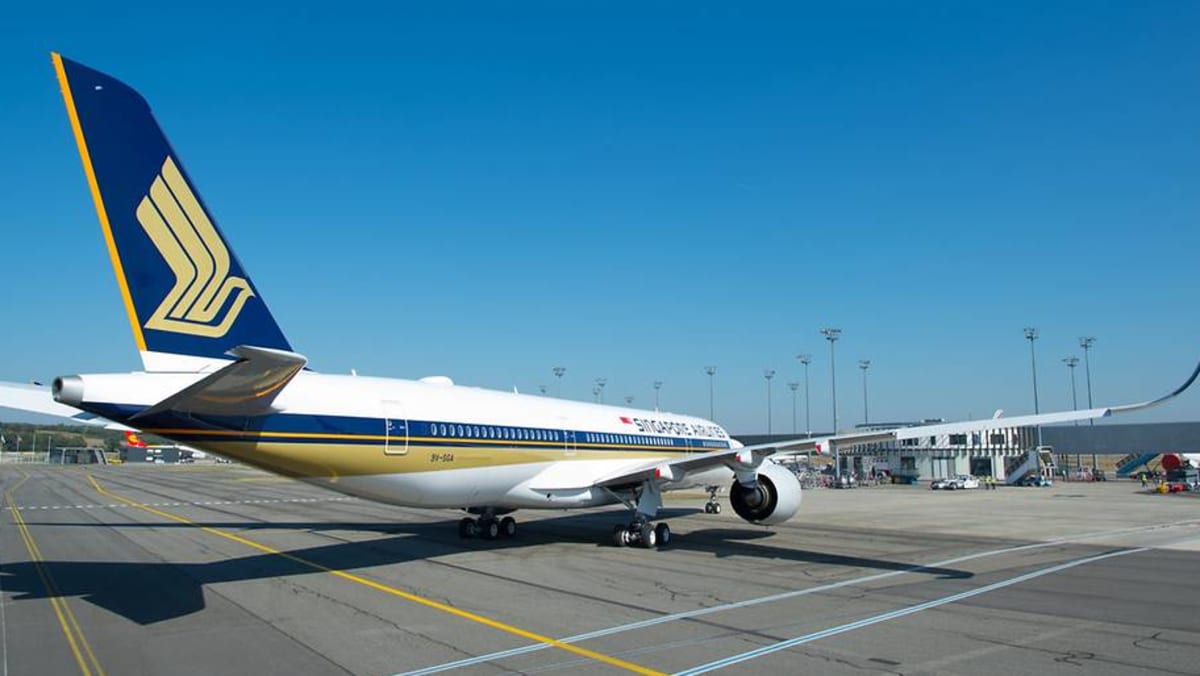
Singapore Airlines, majority-owned by Temasek, is expected to demand greater management influence and stronger governance rights before agreeing to inject additional capital into Air India, according to two people familiar with the matter. The airline is reportedly negotiating conditions with Tata Sons, Air India's majority owner, that could include increased board voting power and requirements for the Indian carrier to reduce its losses. Temasek itself would not provide funding or intervene in Singapore Airlines' decisions regarding Air India, the sources said. The talks follow a Reuters report last month indicating Air India was seeking roughly US$1.5 billion in fresh equity from its shareholders. Two additional sources said Tata Sons had already approved a US$1.1 billion contribution, matching its proportional ownership share, while Singapore Airlines holds the remaining 25.1 per cent stake. All four sources spoke on condition of anonymity because the details are not yet public. In a statement, Singapore Airlines said its board would carefully assess any capital request, considering Air India's business strategy, the group's cash flow, and other financial obligations. Temasek declined to comment on what it called speculation regarding its role, while Tata Sons and Air India did not respond to requests for comment. The push for stricter terms comes amid mounting pressure on Singapore Airlines to justify its growing financial commitment to Air India, which reported a loss of US$2.33 billion for the financial year ending in March—a result that has weighed on Singapore Airlines' own profitability. The airline has previously suffered losses from other overseas investments, and Tata Sons acknowledged in July that Air India's recovery could take up to ten years. Air India recently named former Ethiopian Airlines chief Tewolde Gebremariam as its new CEO, succeeding Campbell Wilson, who previously worked at Singapore Airlines. Singapore Airlines currently has limited formal control over Air India's operations. Under a 2022 merger agreement that combined its 49 per cent-owned Indian unit, Vistara, with Air India, the airline secured a single board seat, held by CEO Goh Choon Phong. However, its stake exceeding 25 per cent gives it the ability, under Indian corporate law, to block special resolutions on major matters such as mergers, share buybacks, and voluntary liquidation. The funding request has drawn criticism from an opposition lawmaker in Singapore, who called for Temasek's funds not to be used to support Air India. In response, Singapore Airlines stated on September 8 that its investments in India have been and will continue to be financed through internal resources, citing cash reserves of S$10.48 billion (US$8.29 billion) and S$3.24 billion in undrawn credit lines as of the end of June. Temasek publicly reaffirmed its support for Singapore Airlines' investment in Air India last month, describing it as a long-term strategic decision. Singapore's Senior Minister K Shanmugam said on Saturday that any investment decision regarding Air India rests with Singapore Airlines, adding that Temasek expects the airline to act responsibly in its investment choices. According to one source, the responsibility for establishing safeguards, governance standards, and performance benchmarks for any further investment in Air India lies with Singapore Airlines rather than Temasek. The source added that Singapore Airlines aims to capitalize on India's long-term aviation growth while managing the risks associated with turning around a major airline, noting that Temasek has made similar long-term bets on Indian firms before, such as hospital operator Manipal Health. Temasek has expanded its presence in India across multiple sectors, including healthcare, financial services, consumer goods, and technology, identifying the country as a key growth market within its investment portfolio.