World
12 Black Grouse Chicks Fledged in North York Moors After 2024 Translocation
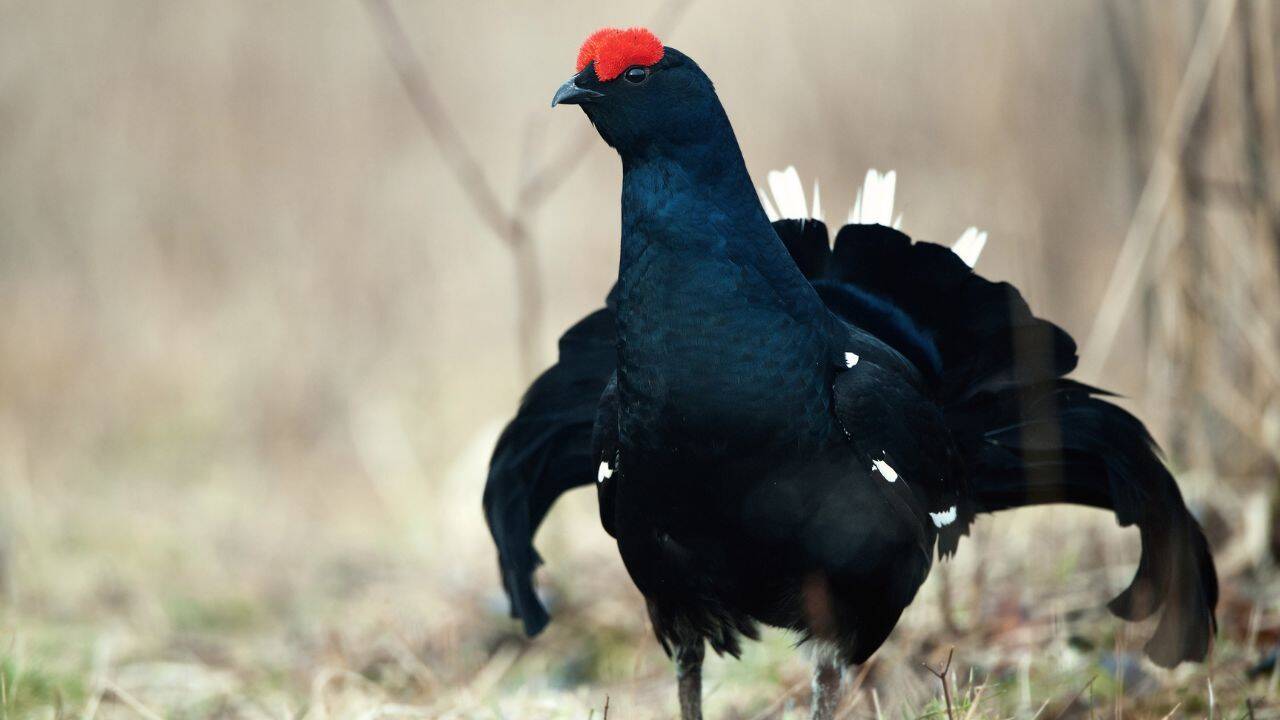
In autumn 2024, the Game and Wildlife Conservation Trust (GWCT) moved 20 black grouse from the North Pennines to the North York Moors as part of its Black Grouse Range Expansion Project. The birds, consisting of 10 males and 10 females, were captured at night‑time roosts and transported to the release site. Sixteen of the 20 were fitted with radio tags to monitor their movements and survival. By spring, seven males and seven females remained in the area.
During the first breeding season, all seven males established leks—display grounds where they perform courtship displays to attract females. All seven females attempted to breed; five nests hatched successfully while two were abandoned. The five successful nests produced broods of one, two, four and five chicks, totaling 12 chicks that fledged. This is likely the first successful breeding of black grouse in the North York Moors in nearly 200 years.
The project also involved habitat improvements along the moorland fringes, including removal of conifer woodland, restoration of bog, heath and scrub woodland, and management of bracken to encourage bilberry and heather growth. Predator and vegetation management across the wider landscape were also implemented to create suitable conditions for breeding.
Black grouse are classified as a Red List species in the United Kingdom. Their current range is largely confined to the North Pennines, covering parts of County Durham, Northumberland, Cumbria and North Yorkshire. The GWCT reports that the number of displaying males in the North Pennines has remained broadly stable, fluctuating between 1,000 and 2,000 over the past 25 years.
In a June 2026 report, the GWCT announced that the number of displaying male black grouse recorded across 18 monitored estates increased from 557 in 2025 to 894 in spring 2026—a 61% rise in one year. This figure reflects the wider monitoring programme across northern England and not solely the reintroduced population in the North York Moors.
The conservation effort is entering its third consecutive year of translocations. A September 2026 report by Shooting UK states that another transfer of black grouse to the North York Moors is planned for the autumn.
Frequently asked questions
How many black grouse were moved to the North York Moors in 2024?
20 black grouse (10 males and 10 females).
How many chicks fledged from the translocated population?
12 chicks fledged.
Was this the first successful breeding of black grouse in the North York Moors in recent history?
Yes, it was likely the first successful breeding in nearly 200 years.