World
Saudi Arabia Extends $3 Billion Loan to Pakistan Amid Debt Repayment Pressures
By Bhanu Pratap
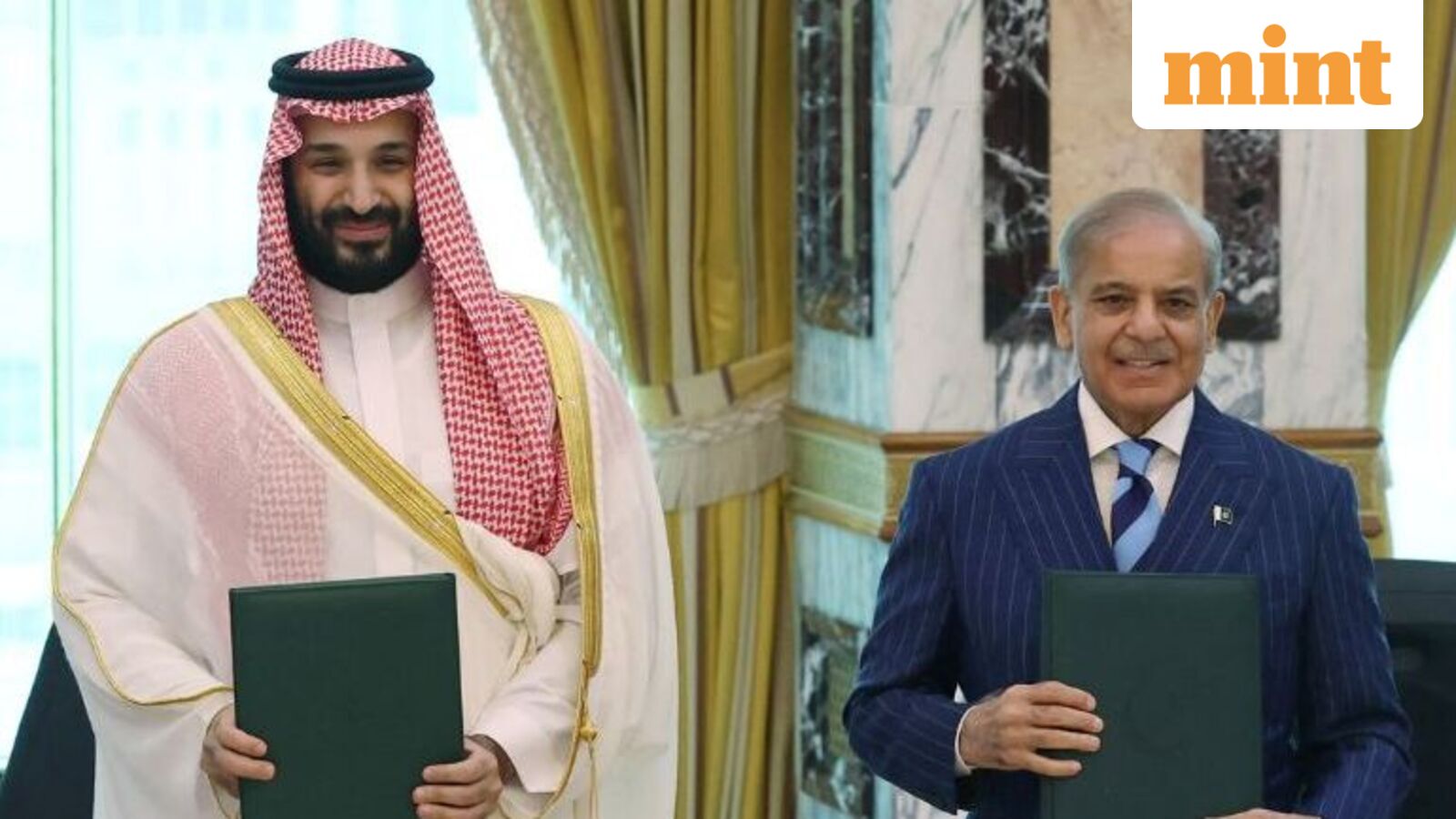
Saudi Arabia has extended its $3 billion loan to Pakistan for an unspecified but reasonable period, providing relief as Islamabad faces external debt repayments and foreign‑exchange reserve pressure. Finance Minister Muhammad Aurangzeb confirmed the rollover on Wednesday, noting that Riyadh had agreed to keep the financing in place without specifying a new maturity date. The facility, originally provided in April to help Pakistan meet a $3.5 billion repayment to the United Arab Emirates, matured on October 31 under a three‑month term. The extension comes as prospects of a proposed $10 billion U.S. backstop for Pakistan appear to have weakened. Riyadh also extended a separate $5 billion deposit for Pakistan until 2028. Pakistan has struggled to meet its external financing needs, including debt repayments and maintaining adequate foreign‑exchange reserves. The immediate pressure behind the latest Saudi financing dates back to April, when the UAE sought repayment of $3.5 billion it had provided to Pakistan. Islamabad repaid the amount, creating a financing gap and putting additional pressure on its reserves. Saudi Arabia stepped in with the $3 billion facility to help Pakistan manage the repayment and shore up its external account. The rollover allows Islamabad to continue relying on that funding instead of arranging an immediate repayment, easing its strained external finances. Pakistan’s dependence on external support has been a recurring feature of its economic challenges. The country has also relied on assistance from the International Monetary Fund to stabilise its economy and manage its balance of payments. Aurangzeb said Pakistan is targeting a $4 billion reduction in external debt during the current fiscal year, followed by another $3.5 billion next year. The finance minister added that the government wants to replace expensive short‑term borrowing with longer‑term financing through bonds and private placements to reduce refinancing risks. Saudi Arabia’s financial support is rooted in its longstanding strategic relationship with Pakistan, which includes close political, economic and defence ties. Riyadh has repeatedly stepped in when Islamabad faces pressure on its external accounts. The latest extension follows Saudi Arabia’s decision to keep its separate $5 billion deposit with Pakistan in place until 2028. Together, the arrangements provide Islamabad with an important source of financial support as it attempts to reduce its dependence on short‑term borrowing. Pakistan has longstanding defence links with Saudi Arabia and remains an important military partner in the region. It is also the world’s only Muslim‑majority nuclear‑armed country. The financial relationship comes amid deepening defence cooperation between Saudi Arabia, Pakistan and Turkey. The three countries signed the Makkah Joint Defence Agreement on August 7, 2026, which seeks to strengthen collective deterrence and stipulates that an armed attack against any one of the three countries would be regarded as an attack against all three. Dawn reported that Pakistan and Saudi Arabia had already completed their ratification processes. The agreement provides a framework for closer defence cooperation and collective security. Pakistan is attempting to manage its debt burden by reducing its reliance on short‑term financing and accessing international capital markets. Aurangzeb has said the government is exploring longer‑term borrowing options, including Eurobonds, Panda bonds and Pakistani rupee‑linked dollar‑settled bonds. Pakistan’s liquid foreign‑exchange reserves stand at around $26.86 billion, including $21.47 billion held by the State Bank of Pakistan and approximately $5.41 billion with commercial banks, according to figures cited by the finance minister.