World
India and EU Reach Deal to Join Horizon Europe Research Programme
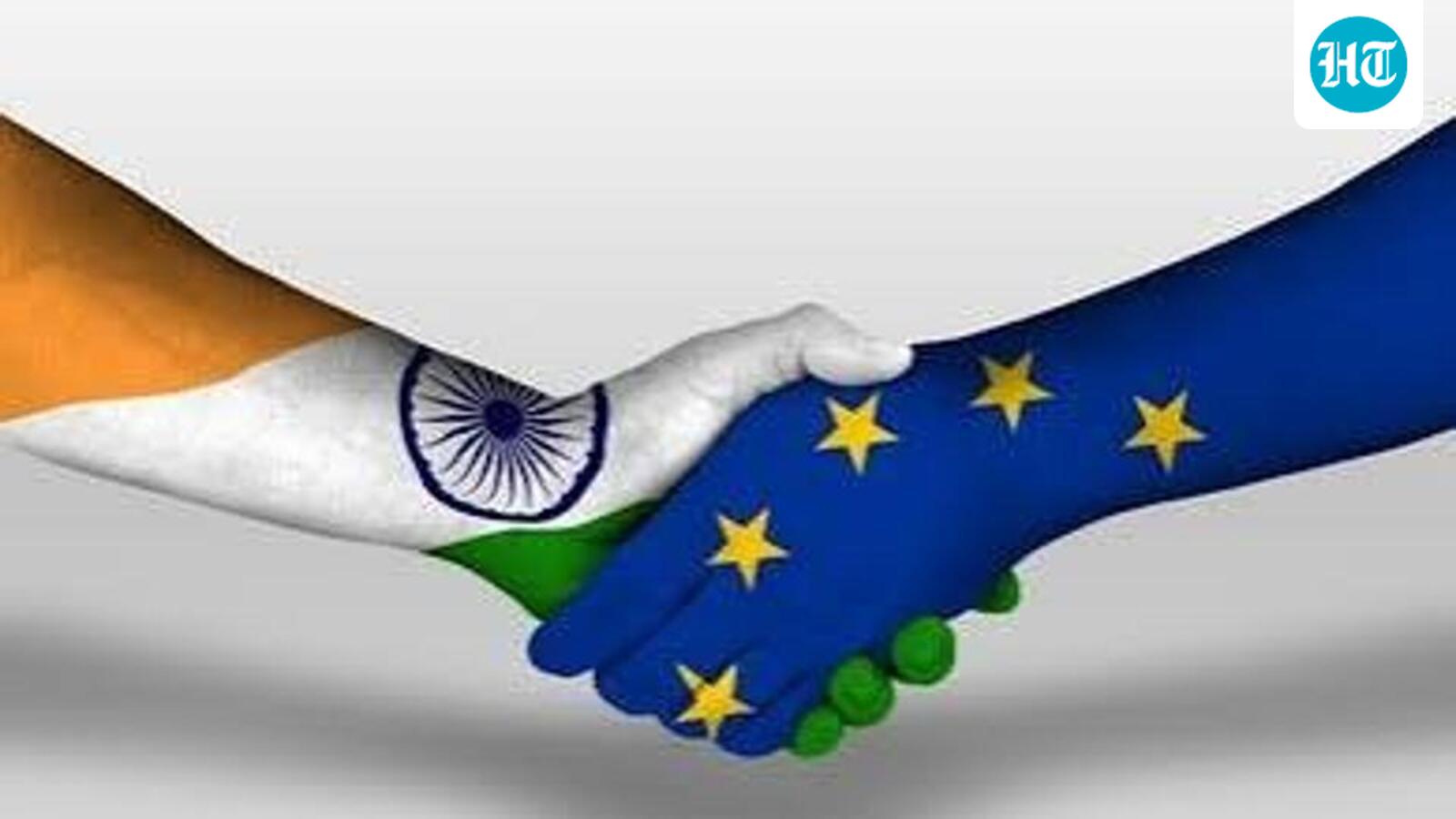
India and the European Union have finished negotiations for India’s association with the EU’s €93.5‑billion Horizon Europe research and innovation programme. The agreement, which will allow Indian researchers and organisations to receive funding directly from Horizon Europe and lead collaborative projects under its Pillar II on “Global Challenges and European Industrial Competitiveness,” is expected to take effect in January 2027 after the necessary procedures are completed. The deal follows the EU’s announcement that the association is an important step for EU‑India relations, strengthening scientific cooperation and deepening the bilateral strategic partnership. India’s Prime Minister Narendra Modi is expected to travel to Brussels in mid‑December to sign the India‑EU free trade agreement, which was concluded in January and is expected to enter force next year after ratification by the European Parliament. Horizon Europe is the closest form of cooperation offered by the EU to non‑EU countries, allowing associated organisations to participate on equal terms with EU counterparts while contributing financially to the programme. The agreement is the latest development in a long‑standing partnership that began with the Agreement for Scientific and Technological Cooperation in 2001 and has been reinforced by the Joint India‑EU Comprehensive Strategic Agenda to 2030 and the Trade and Technology Council. The programme, running from 2021 to 2027, currently has 23 non‑EU countries associated, including Canada, Egypt, Japan, South Korea, New Zealand, Norway, Switzerland, Ukraine and the UK, and Australia has also concluded negotiations for association.
Frequently asked questions
When is the India-Horizon Europe agreement expected to take effect?
It is expected to take effect in January 2027 after necessary procedures are completed.
What does the agreement allow Indian researchers to do?
It allows Indian researchers and organisations to receive funding directly from Horizon Europe and lead collaborative projects under its Pillar II on “Global Challenges and European Industrial Competitiveness.”
How many non‑EU countries are currently associated with Horizon Europe?
The programme currently has 23 non‑EU countries associated, including Canada, Egypt, Japan, South Korea, New Zealand, Norway, Switzerland, Ukraine, the UK, and Australia has also concluded negotiations.