India
Karnataka Seeks Union Clarification After Petrol Samples Show Ethanol Levels Up to 31.2%
By Arun Dev
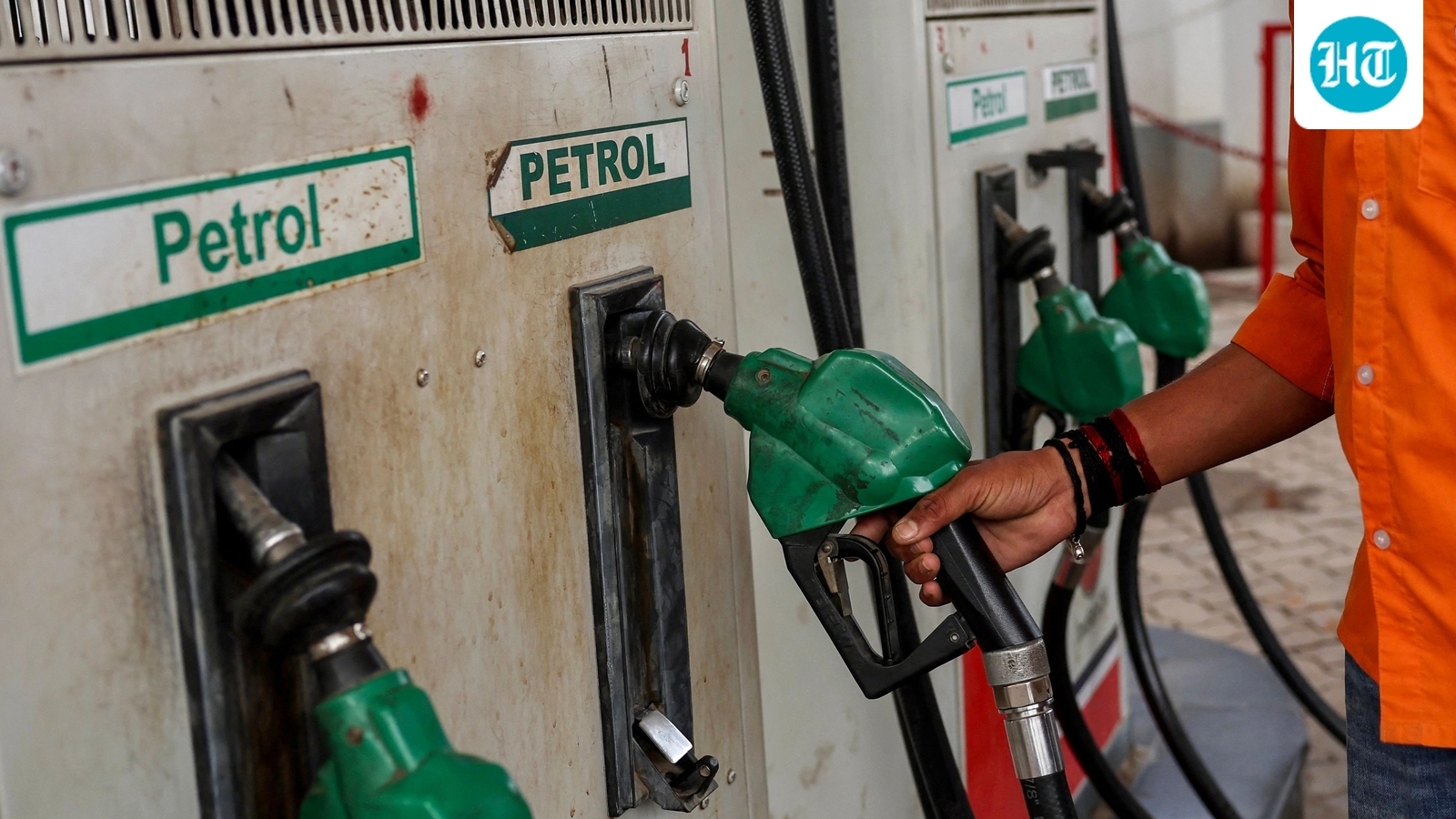
The Karnataka state government has requested the Union government to explain the ethanol concentrations found in petrol samples. Seven districts in the state—Bengaluru, Kolar, Chikkaballapura, Bengaluru Rural, Ramanagara, Mangaluru and Tumakuru—provided samples that revealed ethanol levels as high as 31.2%, with eleven of the fourteen samples exceeding the 20% blend specified under the E20 standard. The highest reading came from an Indian Oil Corporation Limited (IOCL) outlet, while Hindustan Petroleum Corporation Limited (HPCL) Power petrol registered 30.5%, another HPCL sample 27%, and a BPCL Speed sample 26.5%. Samples were collected from stations operated by IOCL, HPCL, BPCL, Nayara Energy, Shell and Mangalore Refinery and Petrochemicals Limited.
Testing was carried out at the Shriram Research Institute in Bengaluru using gas chromatography. The results showed significant variation between companies and even between samples from the same company. Two IOCL samples recorded 31.2% and 20.8% ethanol; BPCL samples ranged from 19.9% to 26.5%; Shell samples were 13.5% and 25.5%. Overall, eleven of the fourteen samples exceeded 20%, while three were below that threshold, including one at 19.9%.
The state first sent the samples to the in‑house laboratories of IOCL and BPCL. The laboratories’ reports did not disclose ethanol content, prompting the government to commission independent testing. The laboratory certificates confirm the ethanol concentrations, including 31.2% in an IOCL sample and 30.5% in an HPCL Power sample. The omission in the oil companies’ reports raises questions about transparency in fuel marketing.
The government expressed concern that higher ethanol blends could damage vehicles designed for lower concentrations. It noted that an estimated 99% of Indian vehicles are not built to handle blends exceeding E20, and that even vehicles sold after April 2023 are certified for up to 20% ethanol. The statement estimated that motorists lose ₹62,000 crore annually due to lower fuel efficiency, assuming a 10% reduction in mileage, 6,200 crore litres of annual petrol consumption and a price of ₹100 per litre. It also estimated annual repair costs for vehicle components at ₹39,000 crore, implying a hidden burden of nearly ₹1.01 lakh crore for consumers.
The state questioned whether fuel dispensing infrastructure is equipped for higher ethanol blends, noting that most dispensing units are designed for fuel containing up to 15% ethanol and may not have been upgraded. Karnataka has asked the Union government to clarify the actual blend being supplied to consumers and to take action against oil marketing companies selling petrol with over 20% ethanol. It also demanded that petrol stations across the country display the ethanol content of the fuel they sell and allow consumers to choose between available blends. The government will continue testing fuel samples and publishing the results, citing the Motor Spirit and High Speed Diesel (Regulation of Supply and Distribution and Prevention of Malpractices) Order, 2005, which provides for action against malpractices in fuel supply and distribution.
Frequently asked questions
Which Karnataka districts provided petrol samples for ethanol testing?
Bengaluru, Kolar, Chikkaballapura, Bengaluru Rural, Ramanagara, Mangaluru, and Tumakuru.
What was the highest ethanol concentration found in the petrol samples?
31.2% ethanol in an Indian Oil Corporation Limited outlet.
How many of the fourteen samples exceeded the 20% blend specified under the E20 standard?
Eleven of the fourteen samples exceeded the 20% blend.