Health
Shamonda Virus Detected in Two British Dairy Farms
By Today News Hours Editorial Desk
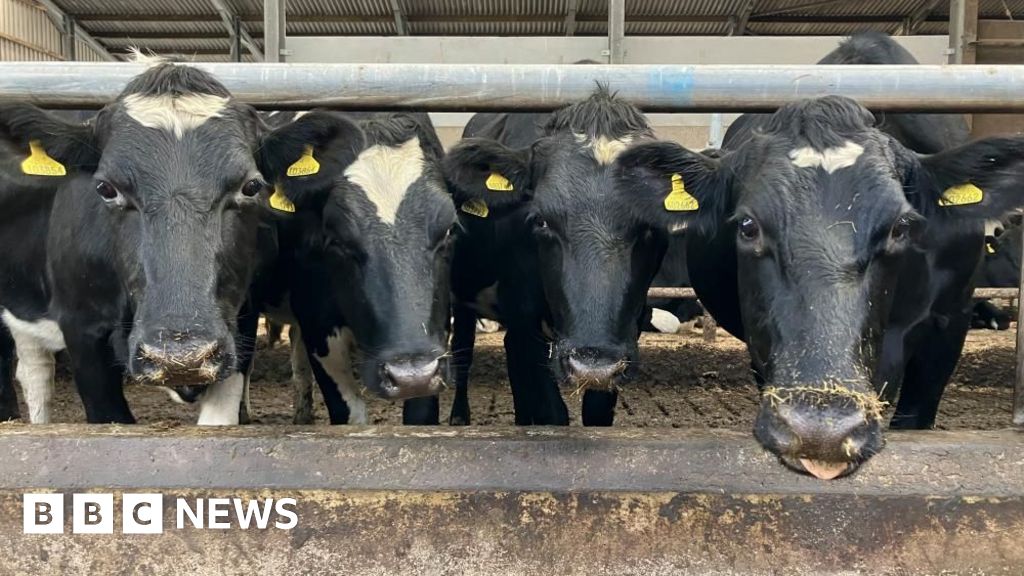
Two dairy farms in Great Britain have tested positive for Shamonda virus (SHAV), marking the first confirmed cases in the country. The virus, primarily spread by biting midges, has been found in cattle in Shropshire and Powys. WHO reports that SHAV originated in Nigeria in the 1960s and was detected in southern Germany and Switzerland in June 2026. The Animal and Plant Health Agency (APHA) stated that SHAV is not a notifiable or reportable disease and that its arrival in the UK was not unexpected. The agency added that there is currently no evidence to suggest that additional disease‑control measures are required.
SHAV mainly affects cattle, causing fever, diarrhoea, lethargy and reduced milk production. It can also affect goats, sheep and horses. WHO notes that birth defects and abortions have been reported in calves whose mothers were infected during pregnancy.
After an infection was found in Jersey in September, the APHA said the signs are not specific to SHAV and may overlap with other endemic and exotic livestock diseases.
Rob Hall, clinical director at LLM Farm Vets in Whitchurch, Shropshire, warned that many farmers may not realise they have the infection or the extent of damage until calving season. He explained that pregnant animals could lose their unborn calf or lamb, or give birth to deformed offspring with spinal defects, bent limbs, brain disorders or other developmental abnormalities. Hall also noted that climate change could make SHAV more common, as warmer winters expand the range of biting midges.
Neale Sadler, a third‑generation farmer in Edstaston near Wem, said he was uncertain about the situation due to many unknowns. He described the case as “crossing your fingers” until more is known about the virus. Sadler expressed concern about how long the virus could have been in the UK undetected, but noted that the midge season had passed in November, reducing current risk.
Tim Downes, who owns 300 dairy cows in Longnor, south Shropshire and chairs the Royal Association of British Dairy Farmers, said the issue is being monitored nationwide. He noted that there is no vaccine available and that control will rely on good animal practice, such as keeping flies away from cows and maintaining hygiene.
SHAV is related to Schmallenberg virus and produces similar health issues. Because its symptoms overlap with many other diseases, laboratory testing is required to confirm infection. The discovery is still in its early stages, and the impact of such viruses tends to follow seasonal patterns of the insects that carry them, though it is not yet known whether SHAV will behave similarly.
Frequently asked questions
What is Shamonda virus?
Shamonda virus (SHAV) mainly affects cattle, causing fever, diarrhoea, lethargy, reduced milk production, and can also affect goats, sheep and horses.
Where were the first confirmed cases of Shamonda virus in the UK?
The first confirmed cases were found in dairy farms in Shropshire and Powys.
Is there a vaccine for Shamonda virus?
No, there is currently no vaccine available for Shamonda virus.