Business & Finance
Kioxia Shares Drop 16% After Missed Profit Forecast
By Huileng Tan
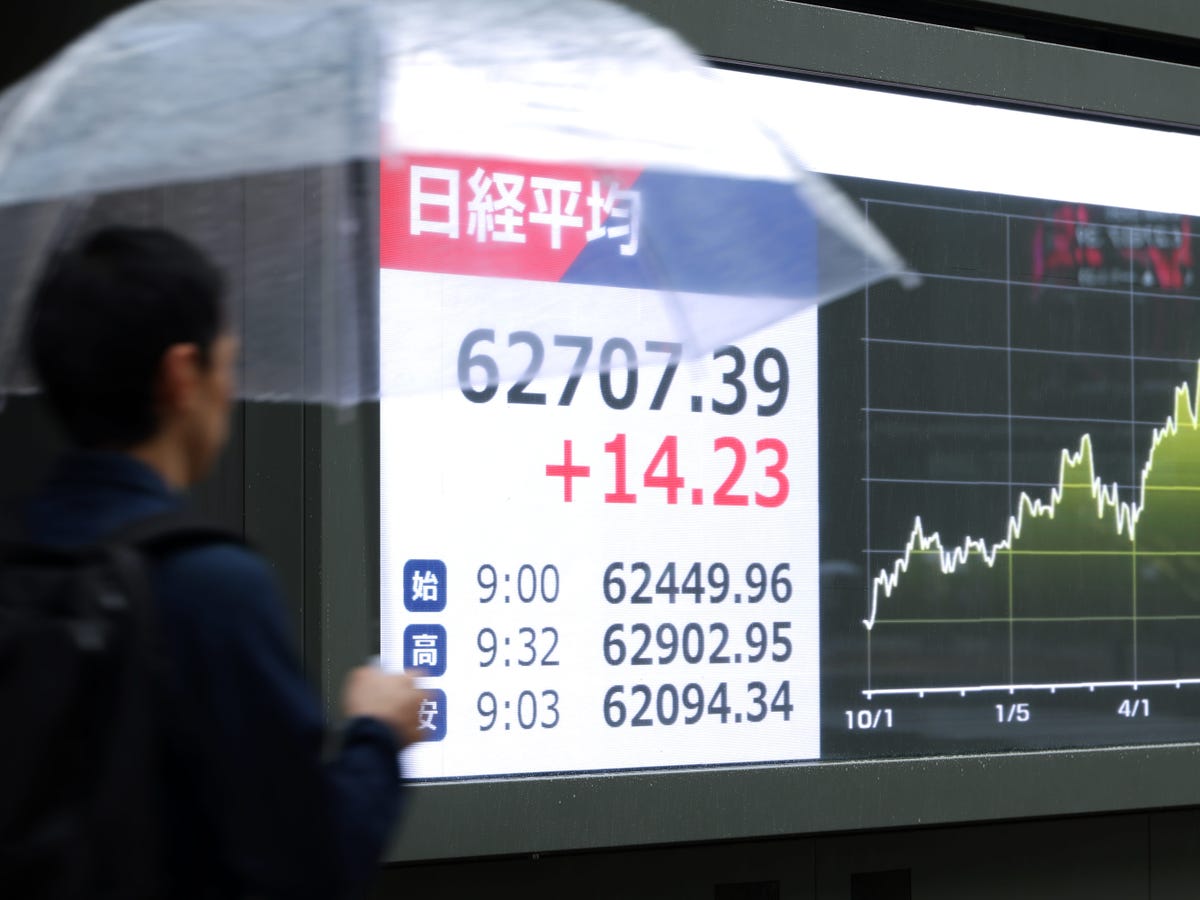
Shares of Japanese memory‑chip maker Kioxia fell 16% on Monday after the company issued a December‑quarter revenue and operating‑profit forecast that missed consensus estimates. The decline came despite strong demand for chips used in artificial‑intelligence infrastructure. Kioxia had been one of the biggest winners in the AI‑infrastructure boom, with its stock up more than 750% in the first half of the year as investors bet on rising demand for data‑center storage. While the company’s September‑quarter results were broadly in line with expectations, its outlook for the next quarter was described by Bernstein analysts as a “massive miss.” Kioxia said the weaker outlook was partly due to delays in shipping data‑center storage products, pushing some expected sales into the following quarter, and a larger share of lower‑priced products for smartphones and PCs that would weigh on average selling‑price growth. The company still expects memory supplies to remain tight in 2027, with its planned capacity for that year already sold out, and long‑term agreements covering more than half of its expected shipment volume in 2028. The selloff weighed on Japanese stocks, with the Nikkei 225 falling as much as 1% before ending 0.3% lower. The decline followed a bruising week for U.S. technology stocks, as investors scrutinized the high costs of AI development and the speed with which companies can turn that spending into profits. The selloff came despite a broader boom in memory chips, which helped South Korea’s Samsung Electronics and SK Hynix report record quarterly profits last week. SK Hynix offered greater visibility into future demand, with long‑term customer agreements covering more than half its production capacity for 2027 and 2028, and its shares rallied after the earnings report.
Frequently asked questions
Why did Kioxia's shares drop 16%?
Kioxia issued a December‑quarter revenue and operating‑profit forecast that missed consensus estimates, causing the decline.
What caused the weaker outlook for the next quarter?
Delays in shipping data‑center storage products pushed expected sales into the following quarter, and a larger share of lower‑priced smartphone and PC products would weigh on average selling‑price growth.
What are Kioxia's expectations for memory supplies in 2027 and 2028?
Kioxia expects memory supplies to remain tight in 2027, with its planned capacity already sold out, and long‑term agreements covering more than half of its expected shipment volume in 2028.