World
Canada to Grant Permanent Residency to 200,000 Current Temporary Residents by 2027
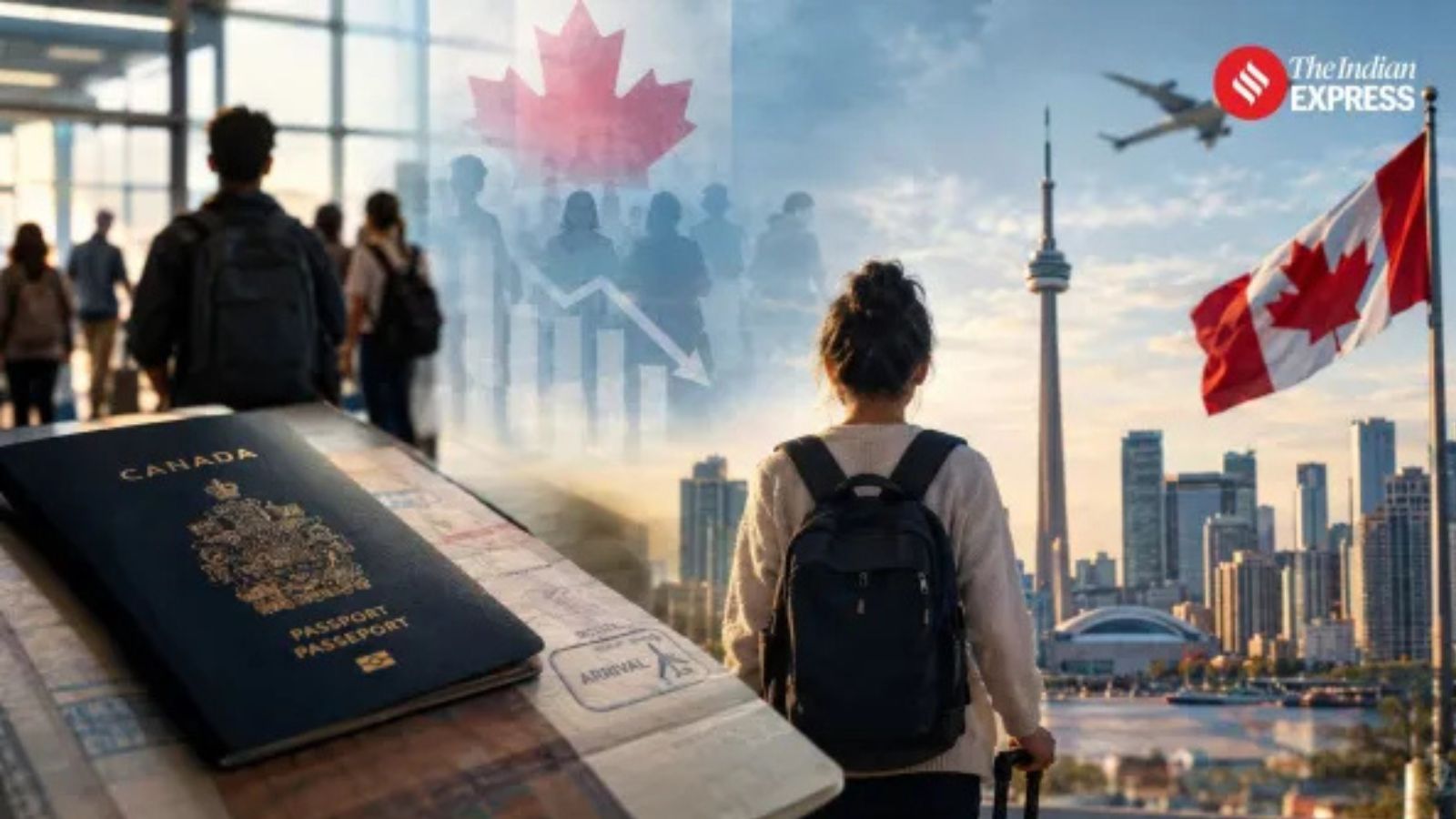
The Canadian government has announced a special pathway that will allow up to 200,000 temporary residents already living in the country to become permanent residents (PRs) by the end of 2027. The measure, introduced in Budget 2026 and the 2027‑29 Immigration Levels Plan, is in addition to the regular annual immigration targets. Canada will continue to admit 370,000 new temporary residents and 380,000 permanent residents each year through 2029, the same numbers set for 2026. The 200,000 additional PR places for existing temporary residents will not count against these targets.
The 200,000 places are divided into two equal cohorts of 100,000 each. The workers’ cohort will focus on temporary residents who are eligible for Express Entry or the Provincial Nominee Program (PNP), along with their families. Provinces and territories will receive increased PNP allocations to nominate workers who meet local labour‑market needs, especially in rural and remote communities. Details on eligibility, language requirements, occupation lists and the application process are still pending.
The second cohort will be humanitarian in nature. It will cover remaining applications under the Hong Kong permanent residence pathways, the Ukraine Family Reunification Pathway, humanitarian and compassionate cases, and applications from spouses, partners and dependent children of Canadian citizens or permanent residents already living in Canada.
Immigration, Refugees and Citizenship Canada (IRCC) has described the initiative as a time‑limited measure that provides additional processing capacity for people already covered by select existing pathways, rather than an open call for new applications.
The policy is expected to benefit many Indian nationals, who form one of the largest groups among Canada’s temporary foreign workers and international students who obtain work permits. Those already in the Express Entry pool or positioned to secure a provincial nomination stand to benefit most from the workers’ cohort.
Finance Minister François‑Philippe Champagne said the Temporary Foreign Worker Programme would be reformed to better match regional labour‑market needs and avoid areas with high unemployment. Immigration Minister Lena Diab did not hold a separate press conference on the plan. Prime Minister Mark Carney had earlier signalled openness to a “controlled increase” in immigration after two years of cuts. The latest plan seeks to stabilise new arrivals while accelerating permanent residency for people already established in Canadian communities.
Conservative immigration critic Michelle Rempel‑Garner criticised the approach, arguing that it would continue to provide low‑wage employers with access to temporary workers while potentially affecting job opportunities for young Canadians.