Business & Finance
NCLT Mumbai Declares Videocon Promoter Venugopal Dhoot Bankrupt Over ₹12,668 Crore Debt to SBI
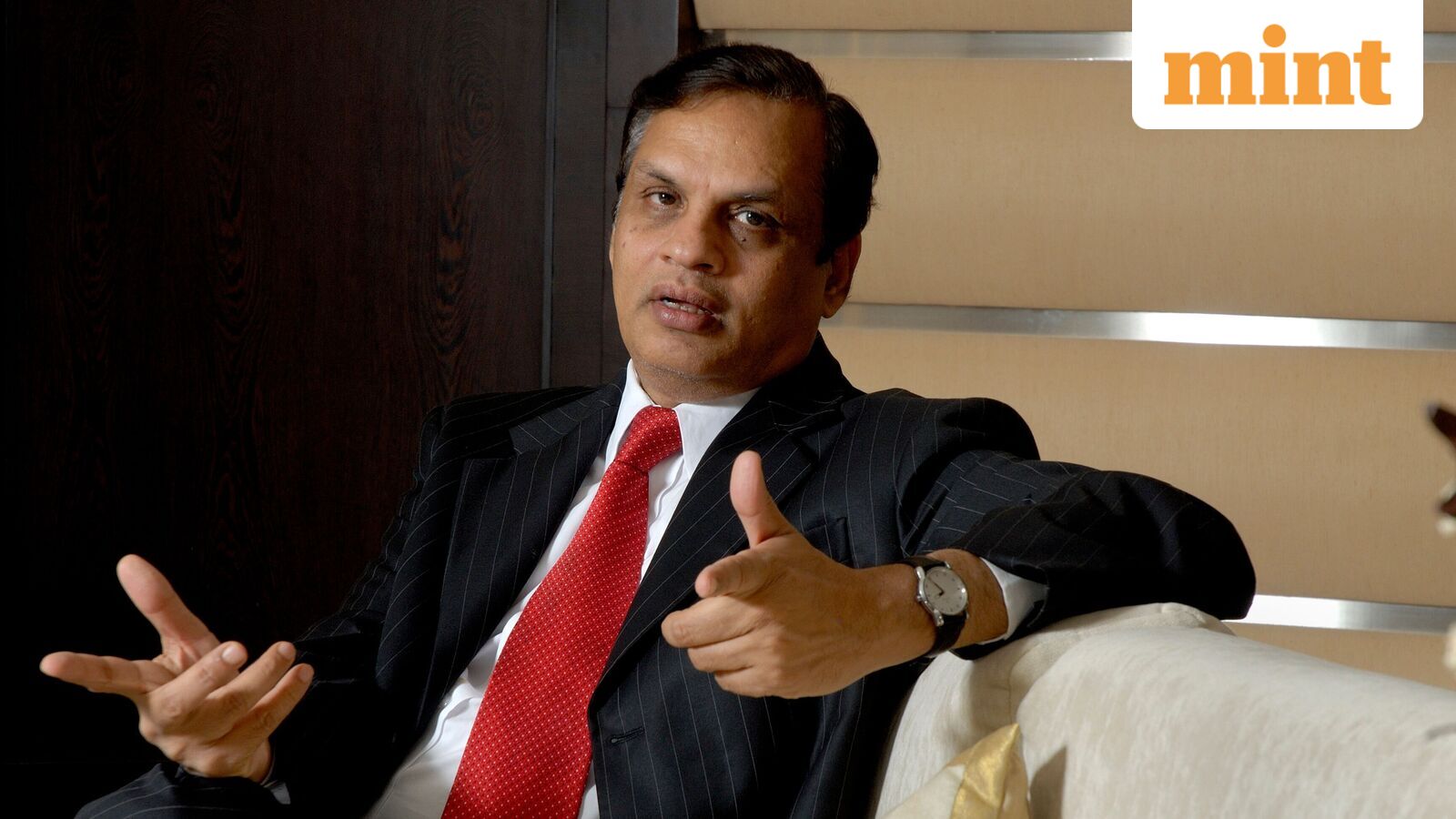
The National Company Law Tribunal (NCLT) in Mumbai has declared Venugopal Nandlal Dhoot, promoter of Videocon, bankrupt after the tribunal admitted the State Bank of India’s (SBI) insolvency application against him. The tribunal’s order, issued on Thursday, names Dhoot as a bankrupt personal guarantor and appoints Asish Narayan as the bankruptcy trustee. Dhoot must provide details of his financial position within seven days, while the trustee is directed to invite creditor claims and submit a preliminary report within 90 days. The trustee will administer Dhoot’s bankruptcy estate and distribute recoveries to creditors under the Insolvency and Bankruptcy Code (IBC).
The decision follows the failure of Dhoot’s personal insolvency resolution process, which began on 8 April 2026 after the NCLT admitted SBI’s insolvency application. SBI had invoked Dhoot’s personal guarantees for loans taken by Videocon Industries Ltd and Videocon Telecommunications Ltd. The ₹12,668.06‑crore claim consists of ₹9,322.10 crore from the Rupee Term Loan facility, ₹1,437.76 crore from the Videocon Telecommunications Ltd facility, and ₹1,908.19 crore from working‑capital facilities, including interest and penalties.
Dhoot’s proposed ₹600‑crore repayment plan, which would have paid creditors over 36 months using proceeds from a real‑estate project in Siliguri, was rejected by creditors on 17 July. Creditors cited concerns over the project’s dependence on regulatory approvals and uncertain cash flows, and noted that the plan offered no upfront payment. The NCLT rejected the plan, terminated Dhoot’s personal insolvency resolution process, and allowed creditors to initiate bankruptcy proceedings.
The personal bankruptcy proceedings trace back to 2010 and 2012, when Videocon Industries and Videocon Telecommunications obtained various loans and working‑capital facilities from SBI and other banks, with Dhoot furnishing personal guarantees. After the Videocon companies defaulted, SBI invoked Dhoot’s guarantees in February 2018. Videocon Industries entered corporate insolvency proceedings on 6 June 2018. SBI issued a demand notice to Dhoot on 23 July 2020 for about ₹6,157.57 crore. When the amount remained unpaid, SBI filed an application under Section 95 of the IBC in September 2020 to initiate insolvency proceedings against Dhoot.
Dhoot challenged the proceedings on limitation grounds and argued that one guarantee had been executed in favour of SBICAP Trustee Company rather than SBI. The NCLT rejected these objections.
The bankruptcy follows the wider collapse of the Videocon group, which once was a leading consumer‑electronics brand. The group’s expansion into telecom, oil and gas, and other businesses was heavily debt‑financed. The telecom arm suffered a major setback when the Supreme Court cancelled 122 telecom licences in 2012, and the core consumer‑electronics business faced increasing competition from global brands. In 2017, the Reserve Bank of India identified Videocon among the first 12 large corporate accounts for insolvency action under the IBC. Videocon Industries entered insolvency in June 2018, and the process was later consolidated with other Videocon group companies. Creditors eventually admitted claims of around ₹64,500 crore against the consolidated group. In 2021, the NCLT approved a ₹2,962‑crore resolution plan submitted by Twin Star Technologies, which was later set aside by the NCLAT in January 2022. Twin Star has approached the Supreme Court, which has maintained the status quo on the insolvency proceedings since February 2022.
Frequently asked questions
Why was Venugopal Dhoot declared bankrupt by NCLT?
Because SBI’s insolvency application was admitted and Dhoot’s personal guarantees were invoked for Videocon loans, leading to a ₹12,668 crore claim and failure of his resolution plan.
What are the next steps for creditors after the bankruptcy declaration?
Creditors must file claims with the appointed trustee, Asish Narayan, and the trustee will submit a preliminary report within 90 days and administer the estate under the IBC.
What was the amount of the proposed repayment plan and why was it rejected?
The plan was ₹600 crore over 36 months, rejected by creditors due to concerns over regulatory approvals, uncertain cash flows, and the lack of an upfront payment.