India
India Urges Bold Reforms Amid Global Geopolitical Turbulence
By Mohan Kumar
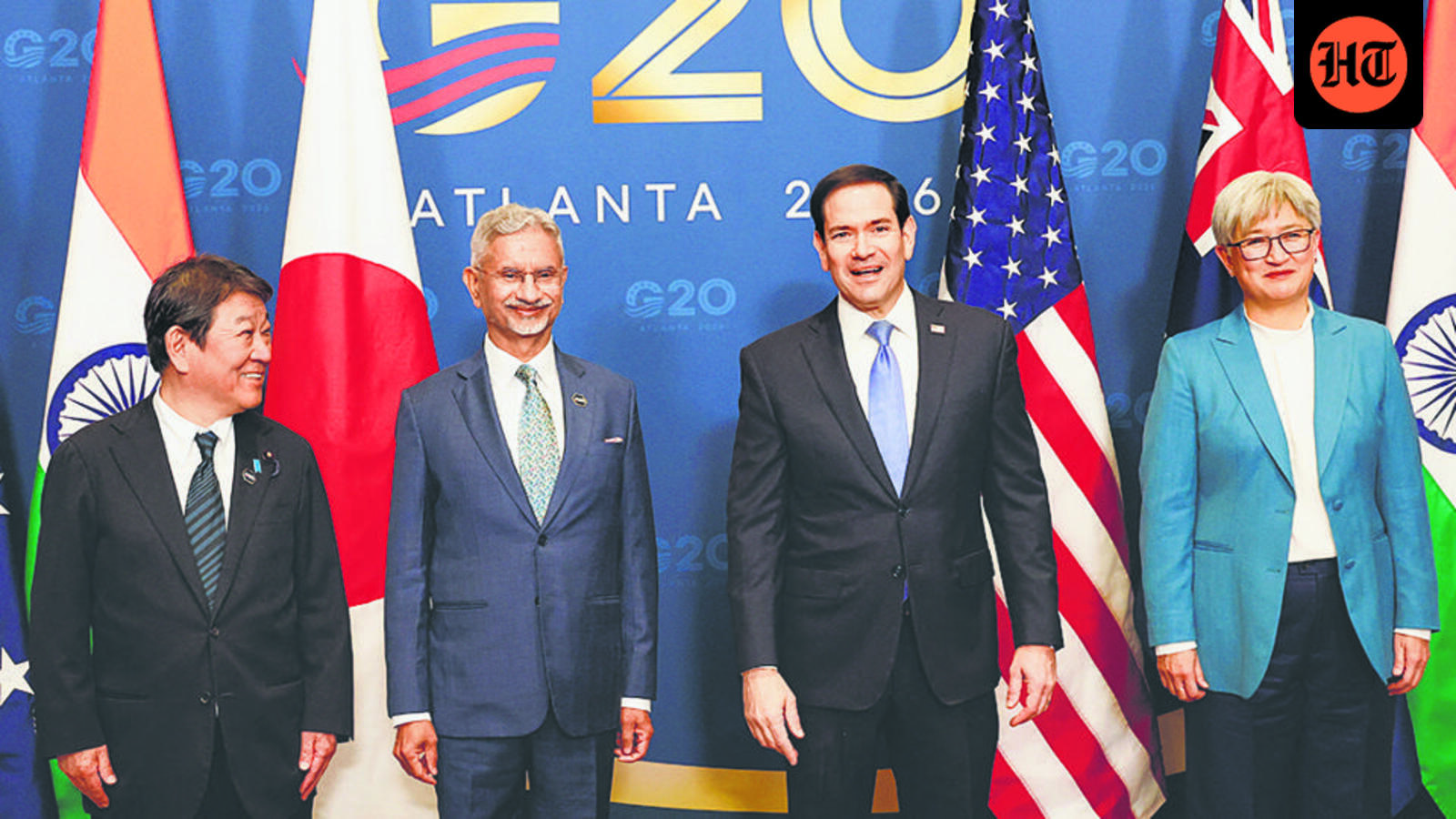
The recent Kautilya Economic Conclave saw External Affairs Minister S Jaishankar describe the current era as one of "flux" while expressing confidence that India remains in a "sweet spot" that is shifting but not static. He acknowledged that India faces significant internal and external challenges due to this geopolitical turbulence.
The article outlines five key features of the present global environment. First, the United States, under former President Donald Trump, has pursued a reordering of the post‑World War II international system, concluding that the existing order disadvantages it, that its foreign‑policy changes will likely outlast Trump, and that no major power is untouched by U.S. policy shifts. This has made U.S. foreign policy both transactional and unpredictable.
Second, China is described as a peer to the U.S. that is catching up on many fronts but may face domestic political headwinds and the risk of becoming old before it becomes rich. President Xi Jinping’s long tenure is seen as sustainable only if China achieves dramatic milestones such as Taiwan reunification or a clear subordination of the U.S.
Third, the decline of multilateral institutions—such as the UN Security Council, the World Trade Organization, and NATO—has left countries scrambling to respond. While Canada’s Mark Carney has spoken of a coalition of “Middle Powers,” the article notes that this is easier said than done.
Fourth, conflicts such as the four‑year‑old war in Ukraine and the eight‑month‑old war in Iran are described as increasingly irresolvable, imposing heavy burdens on ordinary people worldwide.
Fifth, the absence of clear rules in the global order has led to a situation where strong states act as they wish and weaker states suffer. The article suggests that small and weak states can still hedge their bets and negotiate to avoid trouble.
Against this backdrop, the article argues that India should double down on a dynamic multi‑alignment strategy to preserve strategic autonomy. It notes that India’s engagement with the U.S. is being recalibrated, which may give India more space to engage with the EU and Russia. The article also suggests that India can use the policy space it has gained to pursue key domestic economic reforms and adjust its foreign‑security and trade policies, thereby enhancing its comprehensive national power.
The views expressed are those of Dr Mohan Kumar, former Indian Ambassador to France and current dean/professor at OP Jindal Global University, and are personal.
Frequently asked questions
What did External Affairs Minister S Jaishankar say about India's position in the current era?
He described the era as one of flux but said India remains in a sweet spot that is shifting, not static.
What are the five key features of the present global environment mentioned in the article?
The article lists: 1) US reordering under Trump, 2) China as a peer with domestic headwinds, 3) decline of multilateral institutions, 4) ongoing conflicts in Ukraine and Iran, 5) lack of clear rules leading to strong states acting as they wish.
What strategy does the article suggest India adopt to preserve strategic autonomy?
It recommends India double down on a dynamic multi‑alignment strategy, recalibrate engagement with the US, and use the space to engage the EU and Russia while pursuing domestic reforms.