Politics
Refineries Bear Rs15 Billion Monthly Burden to Keep Petrol Rs15 Cheaper Amid Global Price Surge
By News Desk
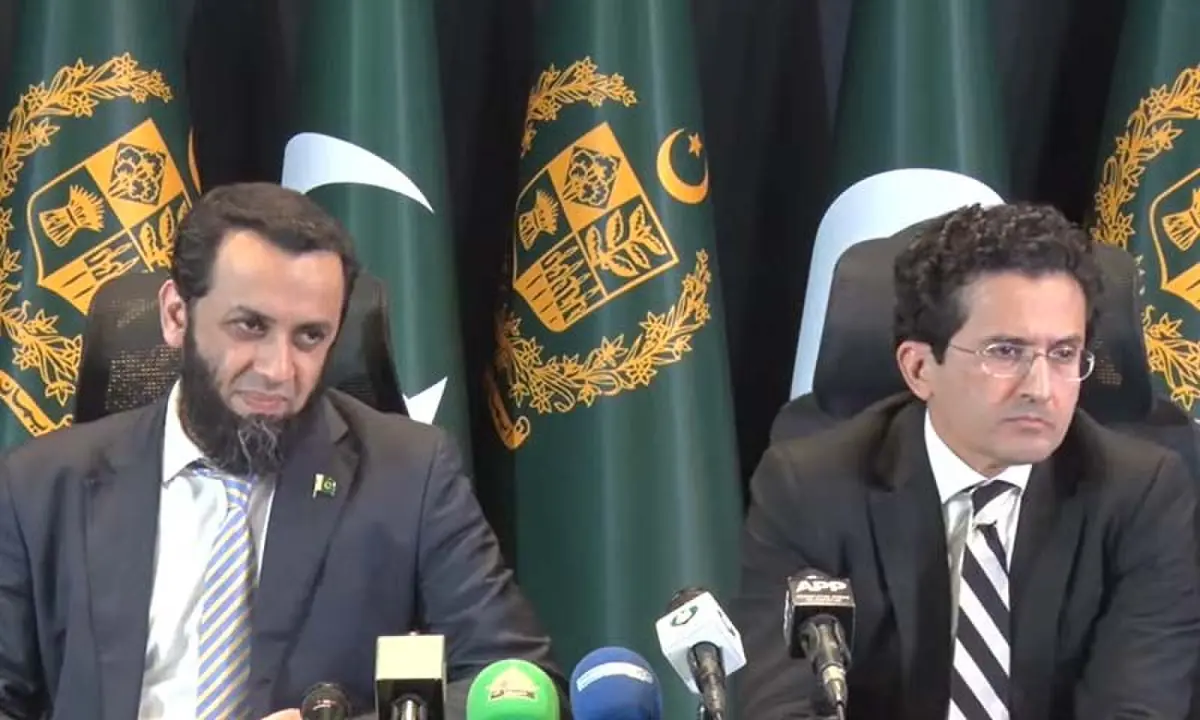
The government announced on Monday that oil refineries will shoulder about Rs15 billion each month, enabling petrol to be sold Rs15 per litre cheaper than the international market price amid the US‑Israeli war on Iran. The statement was made at a press conference in Islamabad by Petroleum Minister Ali Pervaiz Malik and Information Minister Attaullah Tarar. Malik said Prime Minister Shehbaz Sharif had met with refineries to discuss interventions that would keep petrol affordable, noting that a Rs15 increase in petrol prices was set to take effect on Friday. He thanked the refineries for increasing throughput and for helping the government absorb the price rise, which allowed the price to remain unchanged. Malik added that the refineries had made profits from this throughput in the last three months and that the government’s actions were aimed at protecting the public during a difficult period.
Tarar highlighted that the premier’s vision had always been to minimise the burden on the country. He noted that although the Middle East crisis had affected global economies, Pakistan’s macro‑economic indicators had remained largely stable. Regarding Friday’s price increase, Tarar said PM Sharif had directed refineries to absorb the hike to prevent a Rs15 rise, calling the effort a great relief for the public.
The ministers also discussed a fuel subsidy scheme announced by the premier on 13 September, which provides weekly Rs500 concessions to motorcycle users and 10‑litre petrol discounts to 800cc car users. Tarar said the scheme had attracted more than 15 million unique users and that about Rs27 billion had been allocated to it so far.
Malik reiterated his support for deregulation and competition as means to protect welfare, but said that during the current crisis the focus would remain on public relief. He confirmed that there was no fuel shortage and that supplies for November were fully covered, with decisions pending for December and January.
The price of high‑speed diesel fell from a peak of Rs520.35 on 3 April, after rising from Rs281 per litre following the US‑Iran war on 28 February. Petrol prices peaked at Rs458.41 on 3 April after starting from Rs266 in early March. In response to rising fuel prices, the government has reintroduced austerity measures, including market closures by 9 pm and a 50 % cut in fuel allocations for official vehicles for three months. As of July, fuel prices are fixed daily to reflect international market fluctuations.