Education
Texas Farm Donation Fuels $3 Million in Scholarships for 300 Students
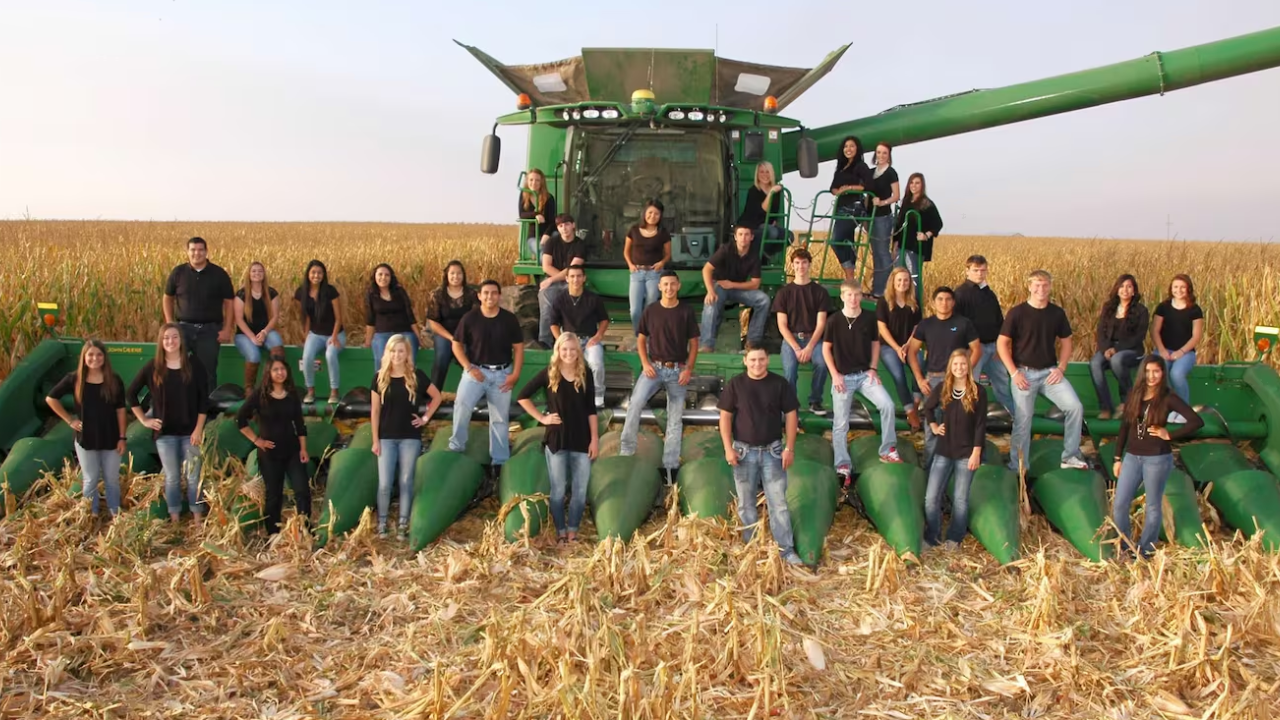
In the Texas Panhandle, a 640‑acre farm donated by Karl Nielsen to the Gruver Independent School District in 1984 has become a community‑run source of scholarship money. The district originally leased the land to farmers, using the rental income for school supplies and equipment. About fifteen years ago, school officials discussed using the property to fund college education directly. Farmers began cultivating the fields without charging for labor or equipment, and the harvests were sold to support scholarships for Gruver High School students.
The Gruver Farm Scholarship Foundation was formally established on March 26, 2012. Local farmers provide machinery, seeds, labor and expertise, while businesses and community members contribute support. Corn is planted in spring and wheat in autumn on roughly 410 irrigated acres of the donated property. A local feed yard purchases some produce at above‑market prices, adding to the fund.
Annual harvests generate about $400,000 for the scholarship fund, though the amount varies with agricultural conditions and yields. The program has awarded nearly $3 million in scholarships to approximately 300 students, according to the school district. Students earn points during high school based on academics, test scores, extracurricular activities and community service; points determine the amount of financial aid they receive, with individual awards up to $40,000.
The initiative has helped many first‑generation college students. The Washington Post reports that 48 recipients have become the first in their families to graduate from college. Notable beneficiaries include Sydney Ortiz, who earned about $3,000 per semester and is studying education at West Texas A&M University, and Rhett Sparks, who completed an agriculture degree at the same university and now works as a farmer and pesticide applicator in Gruver.
The program also engages younger students; elementary school children visit the farmland on school trips to learn about the crops and the history of Nielsen’s donation. More than four decades after Nielsen left the property to the school district, his gift continues to support generations of students, transforming a modest rental income source into a community‑funded scholarship program built on volunteer work and agricultural tradition.