Politics
Historic Midterms See Record Diversity in U.S. Congress and Governorships
By Al Jazeera Staff , AFP and AP
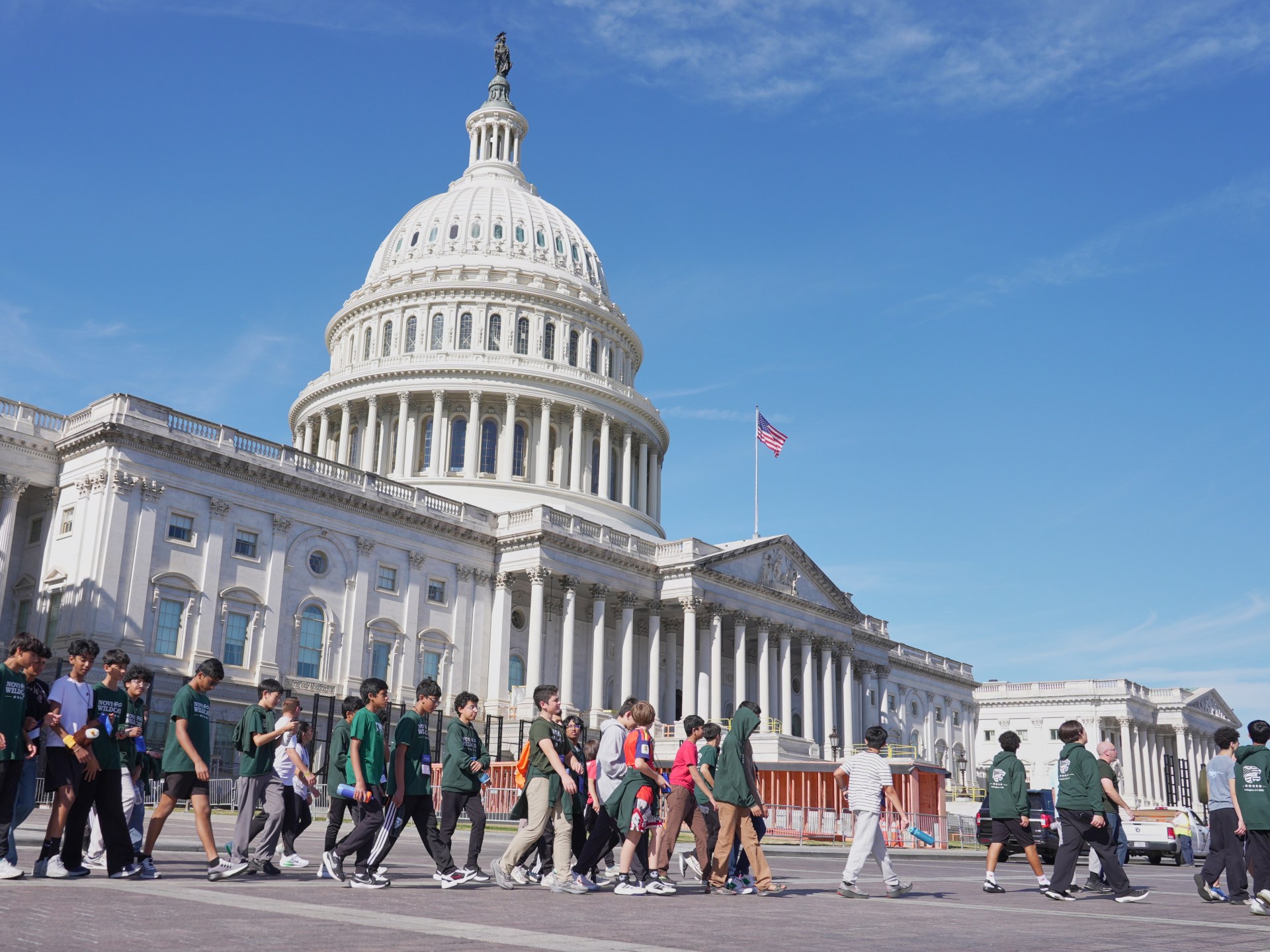
The 2026 U.S. midterm elections produced a historic shift in American politics, with a new generation of younger and more diverse leaders securing key positions nationwide. Of the 117 Generation Z candidates who ran for Congress, 24 advanced to the general election ballot. Among them was 29‑year‑old Melat Kiros, an Ethiopian‑born democratic socialist from Colorado, who became the first Generation Z woman elected to Congress. She joins Representative Maxwell Frost of Florida, who was the first Gen Z member of the House in 2022.
The election also delivered several firsts for marginalized and underrepresented groups. Dr. Abdul El‑Sayed became the first Muslim American elected to the U.S. Senate after winning his race in Michigan. Peggy Flanagan was elected as the first Native American woman senator, following Deb Haaland’s tenure as governor of New Mexico. Illinois became the first state to have two women of color in the Senate—Juliana Stratton and Tammy Duckworth—while three Black women will serve simultaneously in the Senate for the first time in U.S. history.
State governor races saw record‑breaking diversity. Keisha Lance Bottoms of Georgia became the first Black woman elected governor in U.S. history. Alongside new governors Byron Donalds (Florida), David Crowley (Wisconsin), Aaron Ford (Nevada), and re‑elected Wes Moore (Maryland), five Black governors will serve together in 2027. Gina Hinojosa became Texas’s first Latina governor after defeating incumbent Greg Abbott, and Xavier Becerra became California’s first Latino governor since 1875. Amy Acton (Ohio), Amy Klobuchar (Minnesota), and Marsha Blackburn (Tennessee) all became the first female governors of their respective states. In total, at least 17 women will serve as governors in 2027, surpassing the previous record of 14.
In the House of Representatives, Democratic women won at least 100 seats, setting a new party record. Overall female representation in the House is projected to reach at least 139 seats in the upcoming 120th Congress.