Technology
Zuckerberg Unveils Muse, Meta's 24/7 AI Agent, With Free Tokens and Signal-Style Privacy
By Alex Heath
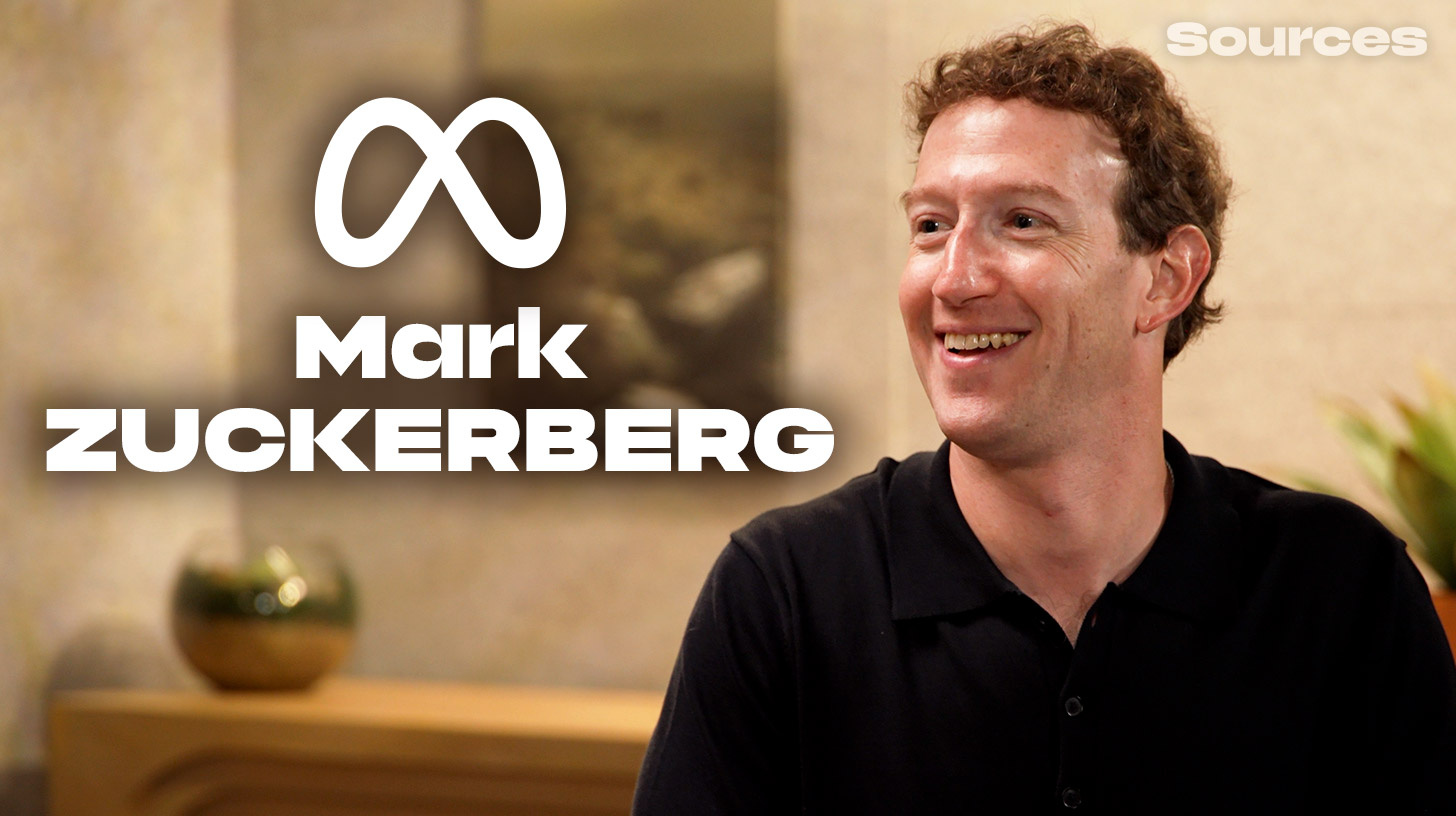
Meta CEO Mark Zuckerberg has introduced Muse, a new AI agent equipped with its own dedicated computer designed to work continuously on a user's behalf, marking what he describes as the realization of the "personal superintelligence" vision he outlined more than a year ago.
In a sit-down interview at Meta headquarters last Friday, Zuckerberg said his goal is to "give every person in the world a very capable personal agent that can understand their goals and can just work on their behalf 24/7." The interviewer, who tested Muse for several days before the conversation, described it as accessible to a much broader audience than existing similar tools, largely due to its emphasis on security.
Muse can be connected to a user's Instagram and Facebook accounts, including tools for managing a business and purchasing ads. Zuckerberg said his aim is to create a product simple enough for any member of his family to use, regardless of technical skill. "I don't think there are going to be billions of people who are going to buy a Mac Studio and configure it and run it at their home," he said.
Addressing privacy concerns, Zuckerberg revealed that he personally helped recruit Moxie Marlinspike, founder of the encrypted messaging app Signal, along with Nat Friedman, to develop a confidential virtual machine that keeps even Meta from viewing what Muse does on a user's behalf. He said he was not aware of any other company offering a comparable system. Meta has also built separate "sentinel" agents that monitor Muse's incoming and outgoing data, flag potential prompt injection attempts, and require user approval before taking sensitive actions.
On pricing, Muse launches with up to 100 million tokens per week available for free, a substantial allowance intended to give users significant room to put the agent to work. Zuckerberg said he expects Muse to eventually become self-sustaining by helping users earn and save money, with Meta taking a small percentage of transactions and offering a paid subscription tier for heavier users. He noted that startups such as Instinct and Town are pursuing the same market but lack an existing business like Meta's to subsidize free usage.
Zuckerberg described his own use of Muse, including organizing baking projects with his daughter and getting feedback on his MMA training, and discussed what might happen as Muse agents begin interacting with each other.
The conversation also touched on the growing backlash against data center construction. Zuckerberg argued that speculative developers who secure sites purely to resell them are worsening public opposition, since they have little long-term interest in local communities. He contrasted this with Meta's approach, saying the company plans to invest in communities for decades, which he believes results in less local resistance to its projects.
Zuckerberg also addressed Meta's recent youth-safety settlement, expressing hope that it becomes an industry-wide standard, with platforms like YouTube and TikTok adopting similar restrictions so that tightening rules on Instagram does not simply push teenagers to other platforms. Regarding privacy concerns tied to Meta's smart glasses, he defended the devices' recording indicator light and acknowledged that Meta needs to more clearly communicate its safeguards as the glasses become more widely used.
Additionally, Zuckerberg discussed shortcomings with Meta's earlier Llama 4 model, how he restructured the company's AI lab around himself, and his disagreement with competitors who choose to keep their most advanced AI models private.