India
India Plans ₹14,500-Crore Energy Storage Scheme to Bolster Solar and Wind Supply
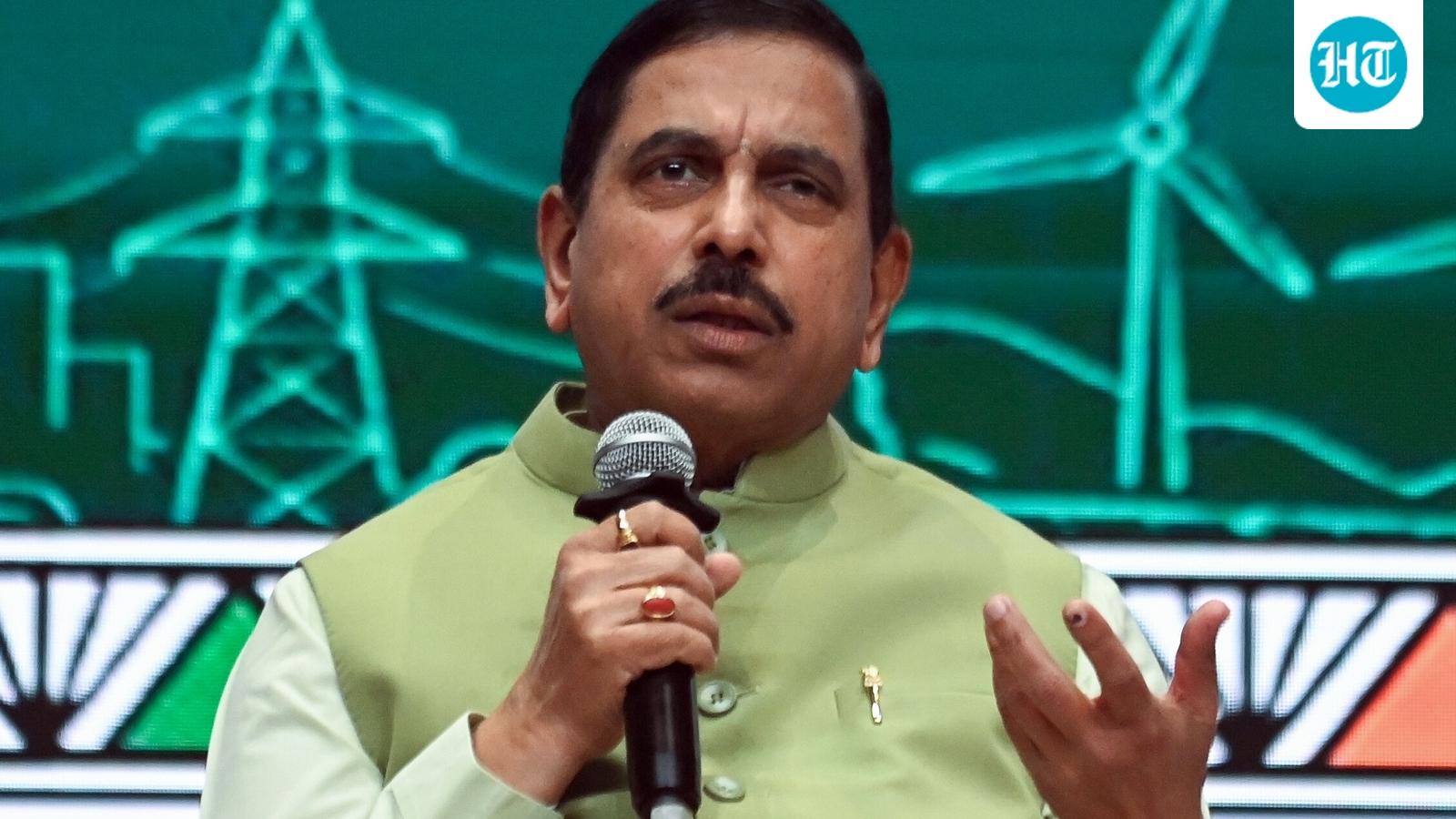
The Union government has earmarked ₹14,500 crore for a new energy storage scheme that the Cabinet has approved with the Prime Minister’s backing, Union Minister for New and Renewable Energy Pralhad Joshi said on Wednesday. Joshi spoke to Hindustan Times at the Bharat Renewable Energy Summit 2026, outlining plans to link solar projects with battery storage to meet peak‑hour demand and to expand renewable capacity beyond the 2030 target.
The Cabinet’s note states that about 60 GW of pumped‑storage capacity will be supported through viability gap funding, along with 30 GWh of battery storage and an additional 50 GWh from the Green Energy Corridor Phase‑3. In total, 140 GWh of storage capacity will receive government support.
Joshi said the government is targeting 500 GW of renewable capacity by 2030, and the Prime Minister has added a further 300 GW for the decade, aiming for 800 GW by 2035. He emphasized that a comprehensive, whole‑of‑government approach is already in place, with the Ministry of Power and MNRE coordinating storage and grid stability.
The minister noted that solar projects will increasingly include storage, with a goal of at least four hours of storage to cover the decline in generation around 4–5 p.m. and to meet peak demand later in the evening. He also mentioned plans to explore up to six hours of storage.
On self‑reliance, Joshi highlighted growth in domestic manufacturing: module capacity rose from 2 GW to over 172 GW, cell capacity from zero to 47 GW and is expected to reach 70 GW by December, then 100 GW in the next few months.
During the summit, India attracted nearly ₹7 lakh crore in combined foreign and domestic investment in renewable energy over two years, with a target of ₹21 lakh crore by 2030. Joshi expressed confidence that the sector will meet this investment goal.
The Prime Minister’s additional target and the government’s storage strategy aim to reduce curtailment, balance supply and demand, and support the country’s growing energy needs.