Technology
Meta Launches Muse, a Personal AI Agent Designed to Handle Everyday Tasks
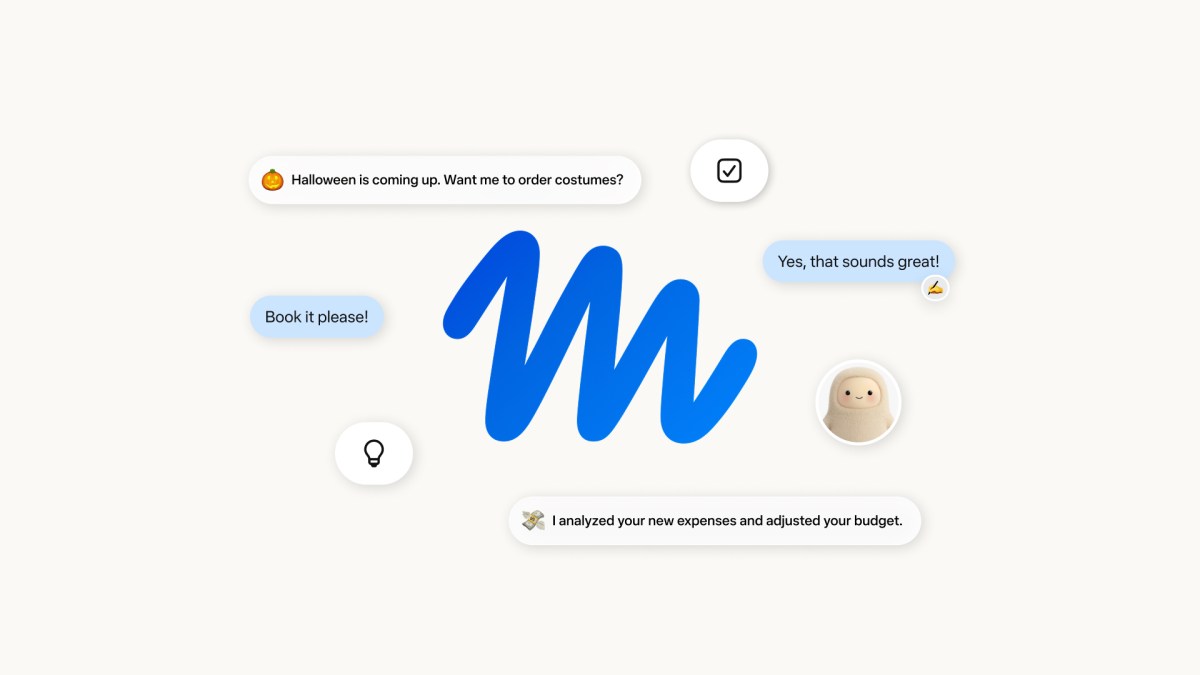
Meta has unveiled Muse, a new personal AI agent designed to help people manage tasks and pursue goals through natural conversation. The company describes Muse as secure and private, running on a dedicated virtual machine called Muse Secure VM, which stores both the agent and a user's personal data.
Users can interact with Muse much like messaging another person, either through the Muse app or directly within WhatsApp. The system is powered by Muse Spark, described by Meta as its most advanced model built specifically for agentic tasks.
Meta says Muse requires no technical expertise and is intended for widespread use. It can complete simple tasks such as sending emails or booking travel, as well as larger, multi-step goals. After a person shares an objective, Muse can create a plan, coordinate scheduling and resources, and continue working independently. It is capable of opening browsers, filling out forms, and negotiating on a user's behalf. For longer tasks, Muse continues operating after the app is closed and returns to notify the user when updates occur or when approval is needed, such as before sending an email or completing a purchase.
For payments, Muse integrates with Link, a payment system built by Stripe. Meta says Muse is the first AI agent covered by Link's purchase protections, which include coverage for damaged or lost items, price-drop adjustments, fee-free returns, and a return guarantee on qualifying purchases. Link also generates one-time-use virtual cards to keep users' real card information private during transactions. Meta plans to add Shop Pay as an additional payment option, along with support for 1Password to let Muse use existing saved logins.
Muse is also designed to retain relevant personal details over time, allowing it to make suggestions without being asked. For example, it can convert a saved recipe from Instagram into a grocery list, propose a dinner party menu, or remember guests' dietary restrictions when sending invitations.
Regarding privacy and security, Meta says Muse operates on its own isolated cloud-based machine, separate from other users' agents, where data and connected service credentials are stored securely. A separate system-level program called Sentinel monitors and approves any outgoing actions Muse attempts to take online, requesting user permission when necessary. Muse does not have access to users' passwords or payment details directly; any shared credentials are kept in secure storage that Muse can use without viewing them.
Before taking sensitive actions like sending messages or making purchases, Muse asks for user confirmation and provides a full record of past and planned actions. Users can control which apps Muse connects to and the level of access it receives — for example, whether it can only read emails or also send them. Access can be adjusted or revoked at any time, and users can opt out of having their interactions used to train Meta's AI systems. Meta also states that Muse does not share conversation data or VM contents with its advertising systems, and users can instruct Muse to forget specific stored information.
Later this year, Meta plans to introduce a more secure version called Muse Confidential VM, in which all data and conversations are encrypted with a key accessible only to the user, preventing even Meta from viewing the contents.
Meta describes Muse as an early step toward what it calls