India
Democrats Gain Control of US Congress, Delhi Sees Potential Stabilization of Bilateral Ties
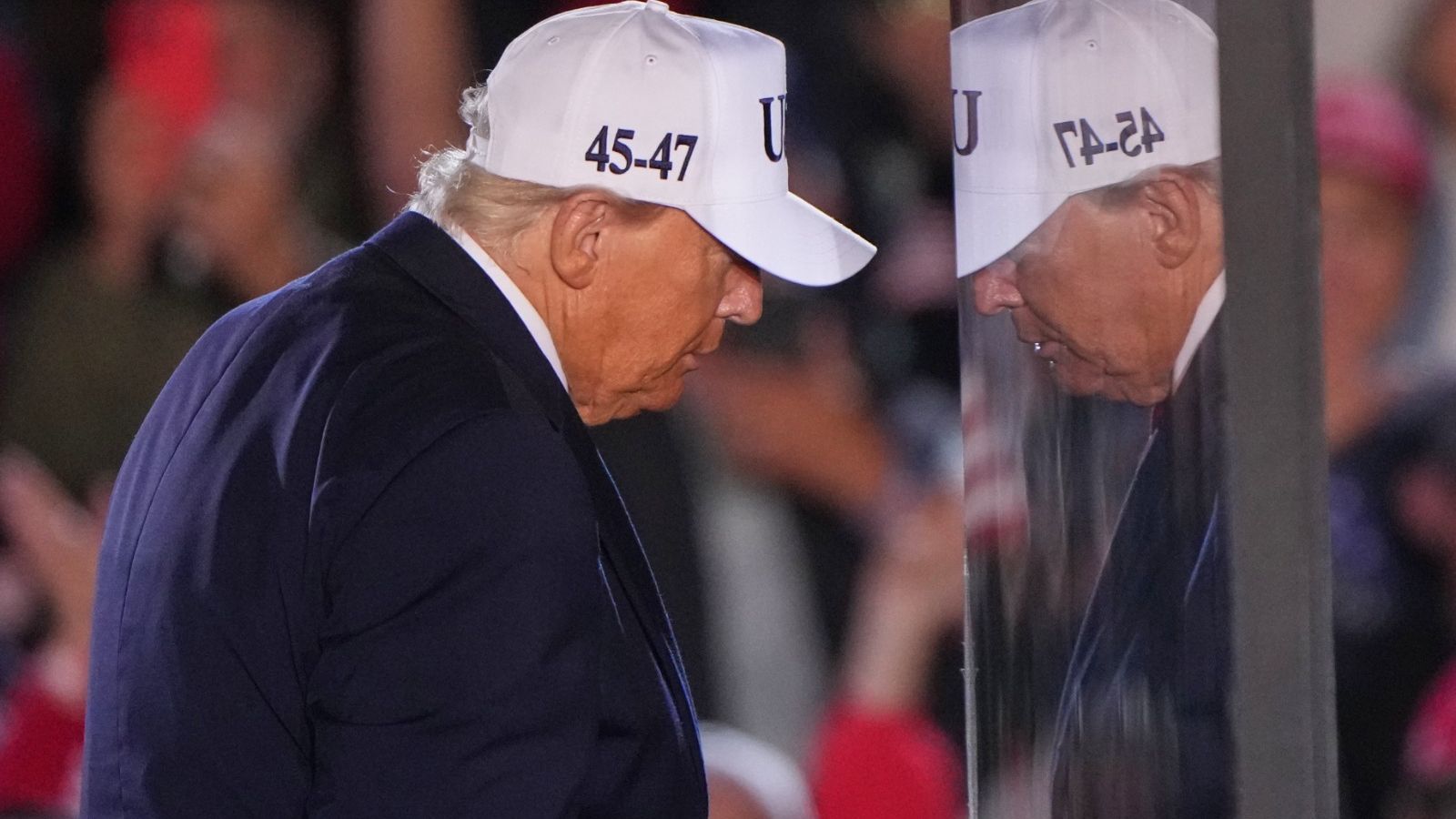
On Wednesday, Democrats took control of both the Senate and House of Representatives, a development that Delhi officials described as a source of relief after 18 months of volatile relations with the United States. The shift is expected to limit President Donald Trump’s ability to issue unilateral directives and restore checks and balances in Washington.
Delhi’s diplomatic officials, who had been monitoring the election results overnight, said they were “cautiously optimistic” about the outcome. They noted that the Trump administration’s policies—including 50‑percent tariffs on Indian goods, restrictions on H1B and student visas, and a perceived closeness to Pakistan—had strained the relationship for the past 19 months.
The tariffs, imposed last year in response to India’s purchase of Russian energy, had hurt Indian exports by eroding competitive advantage. Although the tariffs were lifted early this year after India reduced Russian energy imports and agreed to an interim trade framework, the damage to strategic trust remains.
The new Democratic Congress is expected to scrutinize the Trump administration’s foreign‑policy moves, particularly in the Middle East and its engagement with China and Russia. A meeting between Trump, Chinese President Xi Jinping and Russian President Vladimir Putin is planned for later this month in Shenzhen.
Immigration policy is another key issue. The Trump administration’s curbs on H1B visas and Optional Practical Training (OPT) restrictions had prompted Delhi to reach out to Republican‑controlled congressional leaders. With Democrats now in control, officials hope for a more sympathetic approach to Indian immigration concerns.
The Indian government will continue to monitor the situation, engaging with congressional members on matters such as racism against Indians and the handling of India’s internal political processes. India’s Ambassador to the United States, Vinay Mohan Kwatra, has responded to criticism from Congresswoman Pramila Jayapal by emphasizing India’s democratic institutions and offering constructive dialogue.
As the two‑year cycle of the U.S. presidential campaign begins, Indian diplomats plan to build new relationships with Democratic lawmakers to navigate the evolving political landscape.
Frequently asked questions
What relief did Delhi officials feel after Democrats took control of Congress?
Delhi officials described it as a source of relief after 18 months of volatile U.S.-India relations.
What key Trump administration policies strained U.S.-India relations?
50‑percent tariffs on Indian goods, restrictions on H1B and student visas, and a perceived closeness to Pakistan.
What is the expected impact of the new Democratic Congress on U.S. foreign policy?
The new Democratic Congress is expected to scrutinize the Trump administration’s foreign‑policy moves, particularly in the Middle East and its engagement with China and Russia.