Entertainment
Gibney Says Fear Pervaded Interviews for New Elon Musk Documentary, Lauds Ex-Partner's Decision to Speak Out
By Melanie Goodfellow, Nada Aboul Kheir
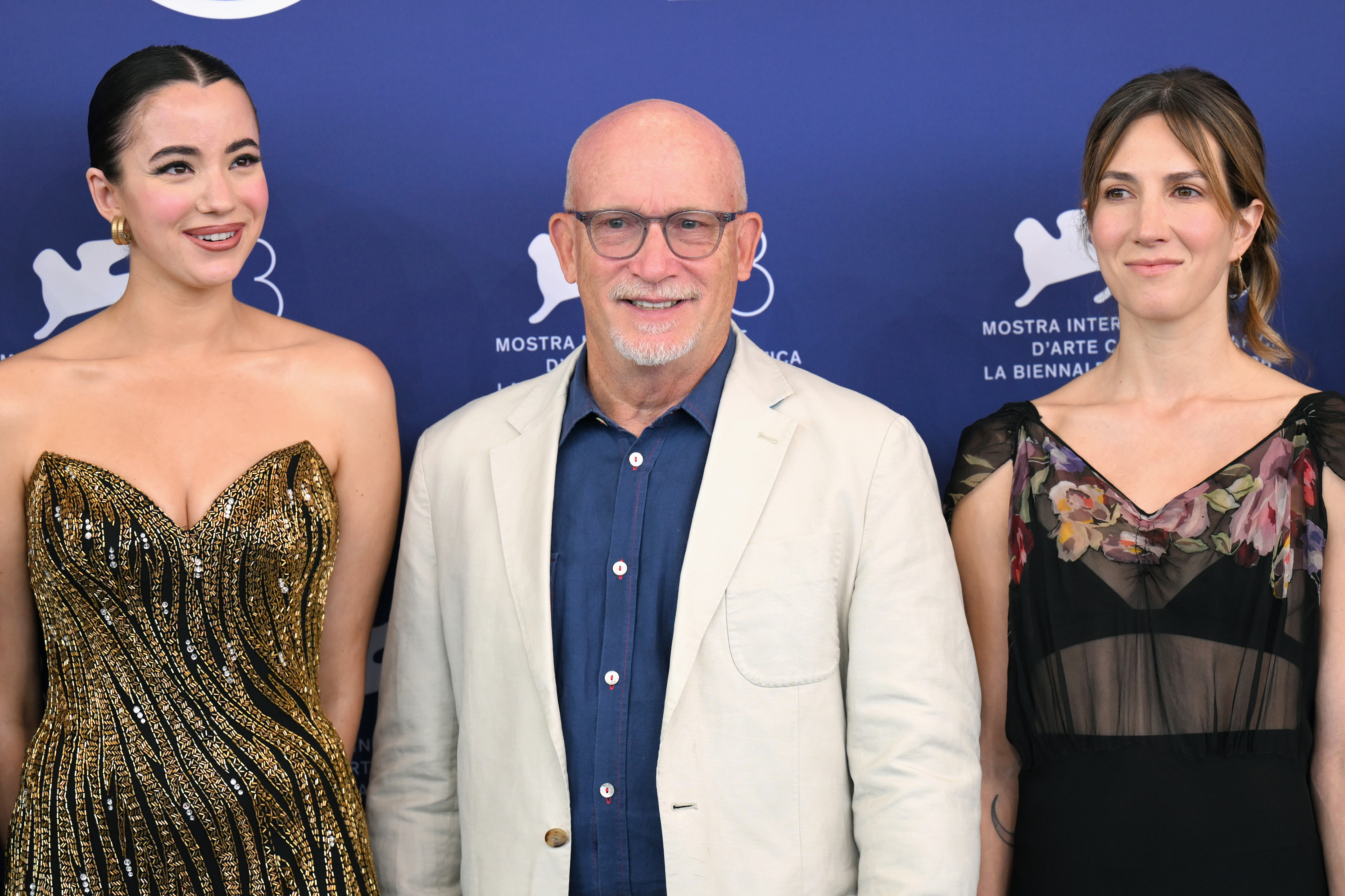
Director Alex Gibney told reporters at the Venice Film Festival on Tuesday that he encountered widespread reluctance and fear among potential interview subjects while making his new documentary about Elon Musk. Speaking at a press conference for the film, titled Musk, Gibney said he faced what he described as a near-existential fear among the tycoon's critics, business associates, and even friends when he approached them for interviews. "I talked to many, many people who, except for some of the brave people here with me, declined to speak," Gibney said. The filmmaker compared the project to his previous documentaries, including the Oscar-nominated Enron: The Smartest Guys in the Room and his 2019 film about Elizabeth Holmes, The Inventor: Out for Blood in Silicon Valley. He said Musk's story shared common threads with those earlier subjects. "His story turns out to be the story of the confidence man, the stock pumper, his wealth and power comes from inflated stock," Gibney explained, adding that despite the technology angle, the narrative felt familiar to him from his past work. Joining Gibney at the press conference were two of the film's interview subjects: Ashley St. Clair, Musk's former partner and mother of one of his children, and journalist Zoë Schiffer, author of the 2024 book Extremely Hardcore: Inside Elon Musk's Twitter. When asked why she chose to participate, St. Clair referenced a previously reported $40 million non-disclosure agreement offer she said she received from Musk after their relationship ended. "When you're offered something like that, it really causes a debate in your head about what your speech means and how valuable that is," she said. She added that she wanted to demonstrate to her children that speaking the truth matters more than financial comfort. Schiffer said her decision to appear in the film aligned with her ongoing journalistic coverage of Musk. She noted that while Musk maintains loyalty among top executives at his companies, employees at lower levels have been more willing to speak out. "He treats people pretty harshly, particularly when he's coming into a new organization like USDS or Twitter," she said, adding that many employees who witnessed these transitions felt compelled to share their experiences. Overnight, the production released the film's first trailer, featuring commentary describing Musk in terms including "chaotic," "capricious," "manifestly cruel," and "a fascist." Musk had not responded to the trailer as of the press conference, which began at 12:30 p.m. CET, though he had previously posted about Gibney and the documentary on social media platform X last week. In the past day, Musk's social media activity has focused on the recent victory of the far-right Alternative for Germany (AfD) party in state elections in Saxony-Anhalt. During the press conference, a German journalist noted that AfD politicians had publicly thanked Musk for his support following their election win, and asked Gibney about Musk's political influence beyond the United States. "I hope I show in the film that he's involved in right-wing political parties all over the globe, in Germany, in the United Kingdom, in Brazil, in Turkey," Gibney responded. He suggested Musk may be drawn to such governments partly because they tend to be more susceptible to influence. "It's easier to buy the results you want from administrations that are utterly corrupt and venal and have no sense of restraint or internal checks and balances," Gibney said, characterizing Musk's involvement as driven by both ideological commitment and financial motivation.