Politics
Netanyahu and Trump Face Political Setbacks Amid US Midterm Losses
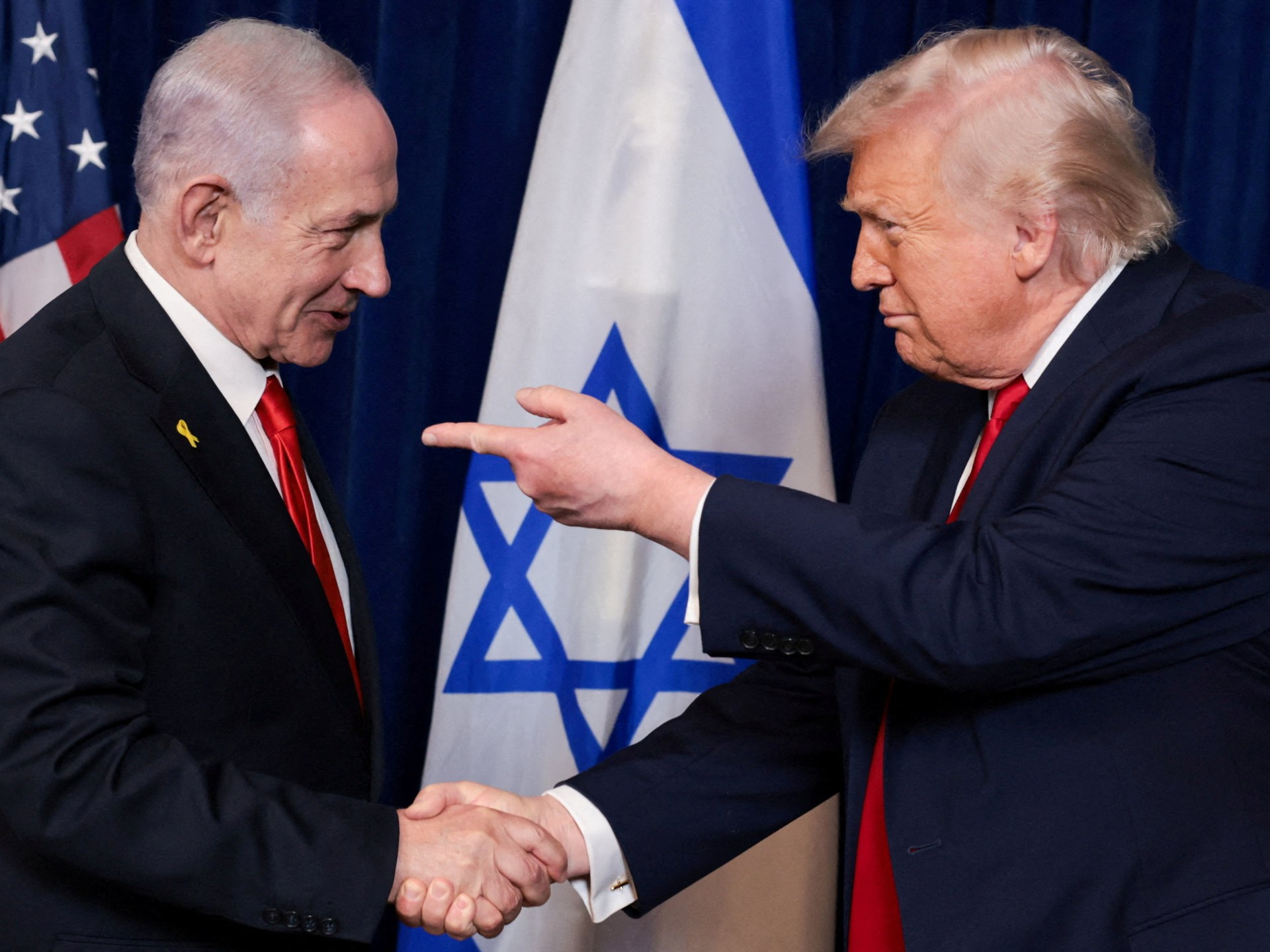
Prime Minister Benjamin Netanyahu and former U.S. President Donald Trump both suffered significant political defeats in recent elections. Netanyahu’s right‑wing coalition secured only 53 seats in Israel’s parliamentary vote on October 27, falling short of the 61 seats required to form a government. Meanwhile, Trump’s Republican Party lost control of both the U.S. House of Representatives and the Senate in the midterm elections, with Democrats gaining seats in traditionally Republican states such as Texas and Kansas.
Both leaders had publicly urged their respective electorates to support each other’s allies. In late February, Trump and Netanyahu jointly ordered a military campaign against Iran, prompting Iranian retaliation and raising fears of a broader regional conflict. During the campaign period, they exchanged endorsements ahead of the U.S. congressional election and Israel’s parliamentary vote, urging voters to turn out in support of their ally.
The U.S. election results were described by Shibley Telhami, director of the Critical Issues Poll at the University of Maryland, as a “historic political tsunami” that repudiated Trumpism. Telhami noted that foreign policy, particularly the Iran war and U.S. support for Israel, was central to voters’ decisions, linking these issues to domestic concerns such as energy prices.
The United States remains Israel’s strongest diplomatic and military partner, routinely using its UN Security Council veto to block resolutions critical of Israel and providing at least $3.8 billion in annual military aid. A recent poll overseen by Telhami found that a majority of U.S. voters believed Israel had influenced the Trump administration’s decision to engage in the costly Iran war, and many said this relationship would affect their vote.
Following the Israeli election loss, Netanyahu has questioned the results, accusing foreign powers of illegally boosting votes for Arab‑led parties and threatening not to recognize the certification of the results. Opposition leader Yair Lapid has criticized Netanyahu’s actions, including a call for the Shin Bet to investigate Arab party leaders, as politically damaging.
In a television interview, Trump stated that he had reached an agreement with Netanyahu that the United States would no longer provide $4 billion a year in funding to Israel after 2026. The details of this claim are unclear, but it has sparked speculation that Trump’s remarks were intended to mitigate public anger over U.S. support for Israel amid domestic economic pressures.
Former Israeli government adviser Daniel Levy told Al Jazeera that Israel’s perception of the U.S. political shift is partly due to the Iran war, which he described as dragging a “gullible president” into another Middle East military adventure. Levy suggested that the war has clarified U.S. public opinion on Israel and the electoral costs of further Middle East conflicts.
Former Israeli ambassador Alon Pinkas said the U.S.–Israel relationship has reached a “real inflection point.” He noted that while the U.S. may be willing to reduce financial aid, the access to weaponry tied to that aid remains a critical issue. Pinkas emphasized that the future of U.S.–Israel ties depends on the Iran war and Trump’s response to the midterm rejection of his policy agenda.
The combined political setbacks for Netanyahu and Trump signal a significant shift in U.S. and Israeli politics, with potential implications for future U.S. support for Israel and the region’s security dynamics.
Frequently asked questions
How many seats did Netanyahu's coalition win in the October 27 parliamentary vote?
Netanyahu’s coalition secured 53 seats, below the 61 seats required to form a government.
What was the outcome of the US midterm elections for Trump's Republican Party?
Trump’s Republican Party lost control of both the U.S. House of Representatives and the Senate.
What did Trump claim regarding U.S. funding to Israel after 2026?
Trump stated an agreement with Netanyahu that the United States would no longer provide $4 billion a year in funding to Israel after 2026.