Politics
Palestinian‑led Parties Secure Record Seats, Prompting Security Crackdown
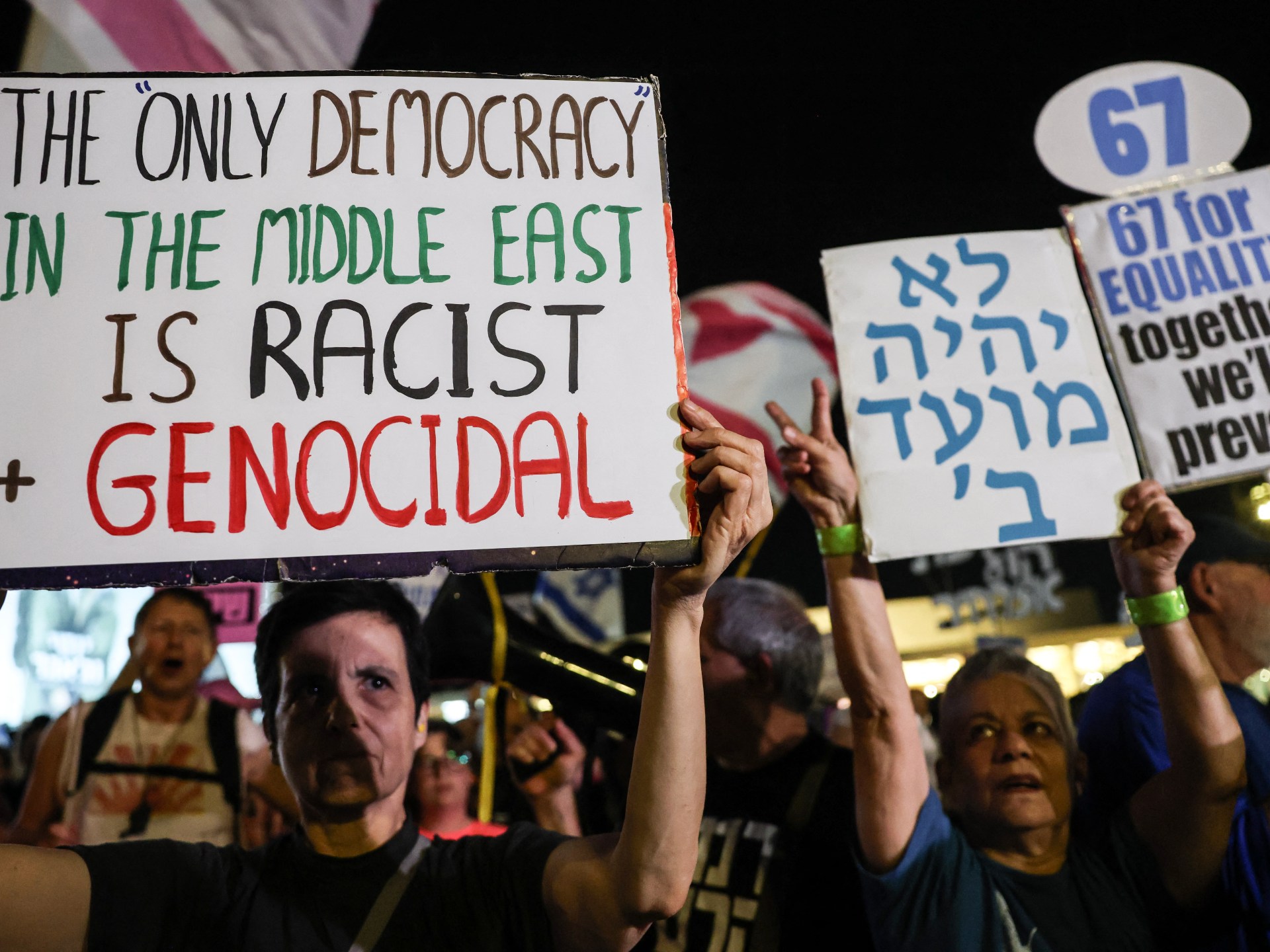
After the Israeli election results were certified, Palestinian‑led parties—the Joint List and the United Arab List (Ra’am)—won a record 19 seats in parliament. The gains have sparked a campaign of intimidation, including aggressive police raids, arbitrary arrests, and targeted interrogations by state security agencies. Police arrested several Ra’am supporters on allegations of vote‑buying, but most were released after a judge found the suspicions weakened and investigators could not justify the restrictions. Defence lawyers said the seized funds were intended for charitable assistance.
The crackdown extended to media personnel. Journalist and political activist Abd Abu Shahadeh was arrested by the police and Shin Bet. Sami Abu Shehadeh, chairman of the Balad Party, another member of the Joint List, called the arrests an attempt by Prime Minister Benjamin Netanyahu to “steal the elections.”
Political analyst Mamoun Abu Amer told Al Jazeera that the backlash was preplanned, describing a systematic campaign that began when Arab citizens mobilised heavily in villages, the Naqab and Bedouin areas. He noted that the high turnout shocked the Israeli political establishment, prompting Netanyahu to launch a smear campaign to discredit the democratic process.
Ahmad Tibi, leader of the Ta’al Party within the Joint List, said there was no indication of manipulation in Arab towns. He cited a Channel 12 report that Likud had prepared a file before the elections to invent a falsehood after the results were announced, because they were certain they would lose.
Human rights expert Mustafa Ibrahim argued that Netanyahu’s approach is rooted in discriminatory state policy, pointing to the treatment of Palestinians in Israel since 1948 and the continued perception of Palestinian citizens as a “fifth column.”
Tibi added that political intimidation began on October 7, 2023, when community members were summoned for investigation simply for liking a post or writing a Quranic verse. He also referred to the late‑September decision by the Israeli electoral committee to disqualify Palestinian‑led parties, later overturned by the Supreme Court, as part of the campaign.
The pressure has also targeted Israeli state institutions. Shin Bet Director David Zini requested to interrogate senior Palestinian lawmakers, including Tibi and United Arab List leader Mansour Abbas, over foreign interference claims. Attorney‑General Gali Baharav‑Miara denied the request, leading to attacks from Likud. Abbas dismissed the allegations as attempts to “smear the Arab public.”
Far‑right National Security Minister Itamar Ben‑Gvir demanded Baharav‑Miara’s removal, accusing her of incriminating him and ordering the Shin Bet chief to act against him. Abu Amer said this was part of a systematic campaign, not a spontaneous one.
Ibrahim highlighted that the intimidation occurs against a backdrop of systemic racism, noting the killing of more than 190 people in Palestinian communities in Israel and in occupied East Jerusalem this year. He said the targeting of the national minority has been supported by government leaders.
The Palestinian‑led parties now aim to use their increased parliamentary presence to address community issues while confronting Netanyahu and his allies. Tibi said they hope the backlash will backfire and that they will continue to work to improve the reality for their community.
Frequently asked questions
How many seats did the Joint List and Ra’am win in the Israeli parliament?
They secured a record 19 seats.
What security actions were taken against members of the Ra’am party after the election?
Police arrested several Ra’am supporters on vote‑buying allegations; most were released after a judge found the suspicions weakened and investigators could not justify the restrictions.
Did the Supreme Court change any decision about Palestinian‑led parties before the election?
Yes, the Supreme Court overturned the late‑September decision by the Israeli electoral committee that had disqualified Palestinian‑led parties.