Politics
Democrats Face Constraints in New Congress Amid Trump Presidency
By Josh Paul
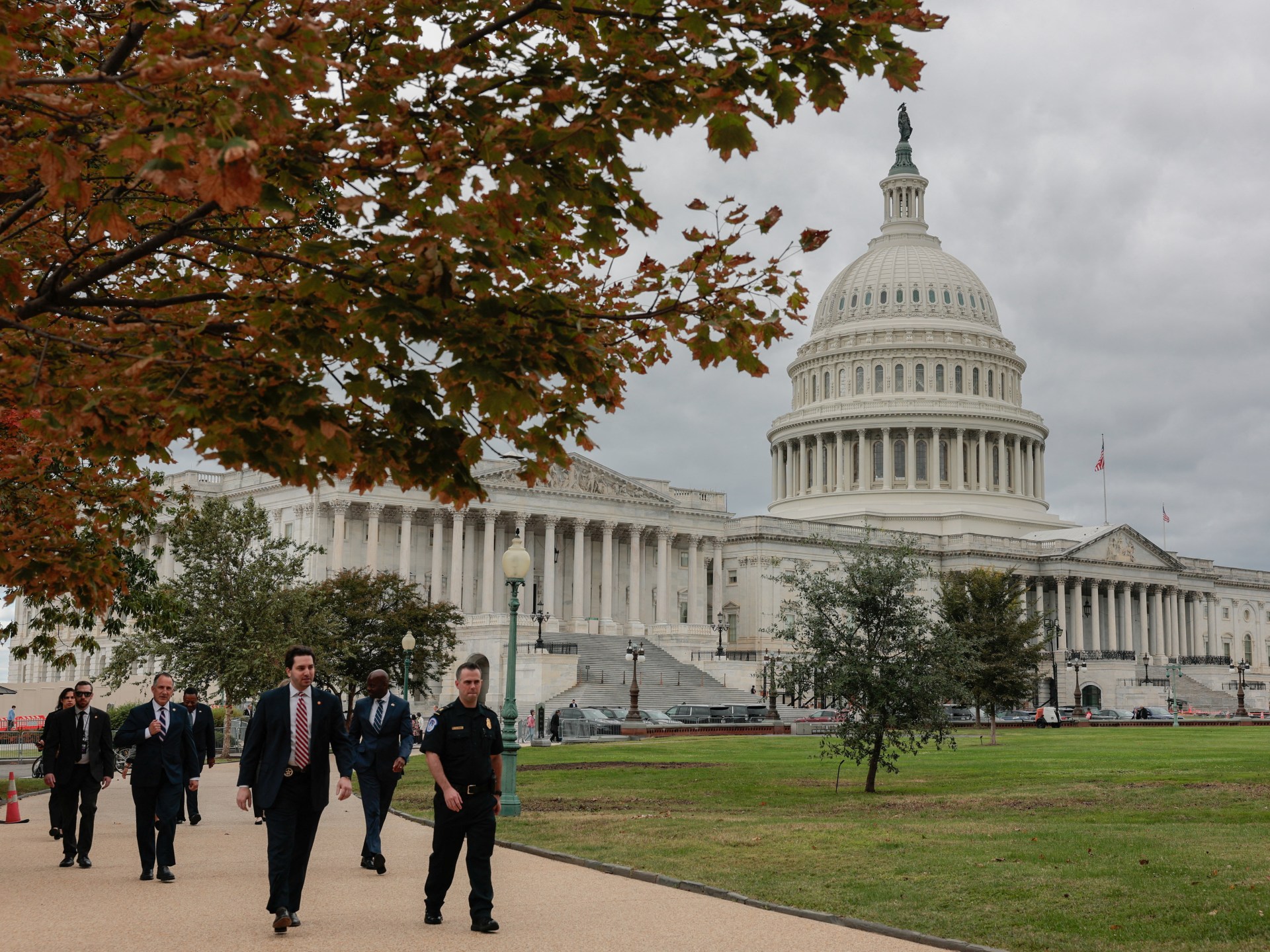
After the 2026 U.S. midterm elections, Democrats hold a historic majority in Congress while Donald Trump remains president for the next two years. The new Congress will pursue three main legislative strategies. First, it will seek to limit Trump’s powers, including ending the Iran war, blocking many of his judicial nominations, ending ICE’s aggressive immigrant detentions, and overseeing Trump’s financial networks and alleged corruption. Second, it will present a positive policy agenda to shape the 2028 election cycle, focusing on social issues, possible tax reform, reforms of U.S. global defense cooperation, and shifts in foreign policy such as aid to Israel. Third, it will pursue bipartisan cooperation on narrow issues, such as regulating the burgeoning artificial intelligence sector, though Trump’s major funders may try to derail progress.
Many bills in the first two lanes would face presidential veto, and the Democratic establishment may temper the progressive left’s ambitious agenda, potentially reducing Congress’s productivity. On foreign policy, Congress can pass limited acts without presidential endorsement, such as war‑powers legislation, a Senate resolution demanding reporting on Israel’s human‑rights record, or committee subpoenas to investigate the Trump administration. These measures may be ignored or stonewalled by the White House, leading to prolonged litigation.
Legislators have three key tools: the constitutional power of the purse, oversight, and agenda control. If Republican majorities fail to pass an annual funding bill by year’s end, Democrats will control U.S. government funding for the current year and the next two, including Israel’s $3.3 billion annual allocation, which Trump questioned on election day. Democrats could also reconsider funding restrictions on UNRWA and the Palestinian Authority, though internal Democratic debates may arise.
With majority control, Democrats can set oversight agendas, targeting actions by the Trump administration that are damaging to the administration and its potential successors, such as Vice President J.D. Vance or Secretary of State Marco Rubio, while minimizing disruption to party unity. Oversight of Trump’s Board of Peace and its funding sources is likely, as well as investigations into U.S. involvement in the Iran war. The Democratic base may push for hearings on U.S. support for Israel’s actions in Gaza, a topic that could involve senior Biden administration officials.
The size of the Democratic majority matters. A small majority can empower a few members to leverage procedural votes, but the recent “blue tsunami” has secured a sizable majority, limiting the need for concessions to the left and potentially leading to public disputes over appropriations bills.
Overall, Democrats have gained legislative power but face an imperious White House that has shown little respect for congressional precedent. Their ability to lead decisively or remain constrained by establishment conservatism will shape their prospects for further electoral success in 2028. The American public and Republicans will closely watch how Democrats navigate these challenges during Trump’s lame‑duck years. The views expressed are the author’s own and do not necessarily reflect Al Jazeera’s editorial stance.