World
Iranian Officials Praise U.S. Midterm Losses, Warn of Possible Trump Attacks
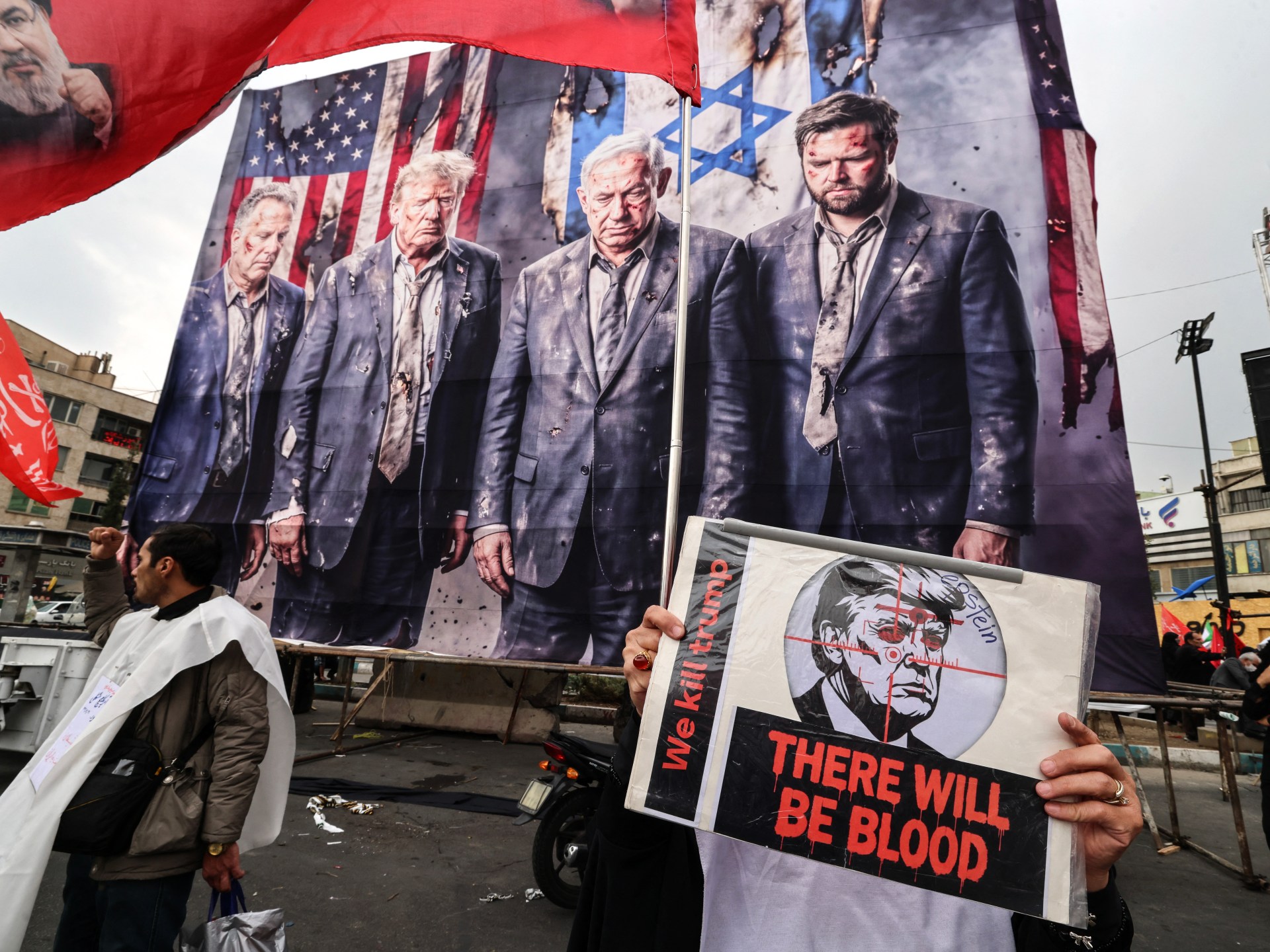
Iranian authorities have interpreted the sweeping defeats of President Donald Trump’s Republican Party in the U.S. midterm elections as a rejection of the U.S. war on Iran. "Conscience or the cost of living, Americans said NO TO WAR, and we endorse this message," said Iranian parliament Speaker Mohammad Bagher Ghalibaf, who led the delegation that signed a short‑lived memorandum of understanding with Washington in June. Ghalibaf posted on X that if the U.S. government betrays its public will, it will learn that Iran’s NO comes with a nightmare. Gholam‑Hossein Mohseni‑Ejei, head of the Iranian judiciary, said Trump was defeated in both war and politics and promised more defeats for the Islamic Republic.
Analysts note that the Democratic victories, which complicate Trump’s remaining term, may embolden Iranian leadership to insist on ending the war that began on February 28. Trump has repeatedly mentioned the possibility of attacking Iran, but has not yet decided. U.S. naval blockades, sanctions and trade disruptions also apply pressure.
Sanam Vakil, director of the Middle East and North Africa Programme at Chatham House, told Al Jazeera that the electoral defeat will increase pressure to end the Iran war, but does not rule out further strikes. "He needs a diplomatic victory or an off‑ramp, yet in the face of defeat he may be reluctant to appear weak," she said.
Senior Iran analyst Hamidreza Azizi of the International Crisis Group said the sense of victory displayed by Iranian decision‑makers will likely make them more uncompromising on core demands, including seven conditions for a partial reopening of the Strait of Hormuz and a requirement for the U.S. to take the first step. He added that the likelihood of Iran making concessions on the nuclear issue could become even lower.
Wednesday marked the anniversary of the 1979 seizure of the U.S. embassy in Tehran. In Tehran, authorities organized demonstrations and speeches around the embassy and downtown areas to denounce U.S.‑led “global arrogance.” State‑organized marches and events were held in Bandar Abbas, Mashhad, Qom and other cities, and state television broadcast pro‑government events for schoolchildren.
A statement attributed to Supreme Leader Mojtaba Khamenei was released, saying the Persian Gulf, especially the Strait of Hormuz, has invalidated the myth of American invincibility. He warned that those who hope partisan changes in the U.S. or concessions to Washington will stop Iran’s enmity are “harshly mistaken” and that absolute deterrence requires strength.
In Tehran’s Enghelab Square, a billboard depicting Trump behind prison bars was unveiled with the message, "We will kill Trump." State‑linked media also followed the U.S. elections, celebrating losses for hawkish Republicans. The reformist Sazandegi newspaper ran the headline, "Trump’s nightmare," with a full‑page picture of Abdul El‑Sayed, the first Muslim senator, and attacked the pro‑Israel AIPAC lobby.
Iran and the U.S. continue to contest control in and around the Strait of Hormuz, while the Trump administration relies on blockades and economic pressure on 90 million Iranians. Vakil expects intensified diplomacy alongside continued military threats in the coming weeks, with limited military strikes still possible. She said an interim agreement over the Strait of Hormuz and lifting the blockade appears more realistic than a comprehensive settlement.
Barbara Slavin, a distinguished fellow at the Stimson Center, expressed concern that Trump could use the lame‑duck period to attack Iran again. She told Al Jazeera that Trump still retains enormous powers as commander‑in‑chief before the new Congress is seated, but that the magnitude of the Democratic victory makes all‑out war less likely. She added that the war and the resulting economic crisis defeated the Republicans.
Frequently asked questions
What did Iranian parliament Speaker Mohammad Bagher Ghalibaf say about the U.S. midterm elections?
He said the defeats were a rejection of the U.S. war on Iran, praising the message that Americans said NO TO WAR, and warned that if the U.S. betrays its public will, Iran’s NO comes with a nightmare.
How did Iran commemorate the 1979 U.S. embassy seizure anniversary?
Tehran organized demonstrations and speeches around the embassy and downtown, state‑organized marches in Bandar Abbas, Mashhad, Qom, and other cities, and state television broadcast pro‑government events for schoolchildren.
What did Supreme Leader Mojtaba Khamenei say about the U.S. and the Strait of Hormuz?
He said the Persian Gulf, especially the Strait of Hormuz, has invalidated the myth of American invincibility, warned that those hoping for U.S. concessions are “harshly mistaken,” and that absolute deterrence requires strength.