India
Delhi Government Approves Criminal Contempt Action Against CJP Legal Head Ratna Singh
By HT News Desk
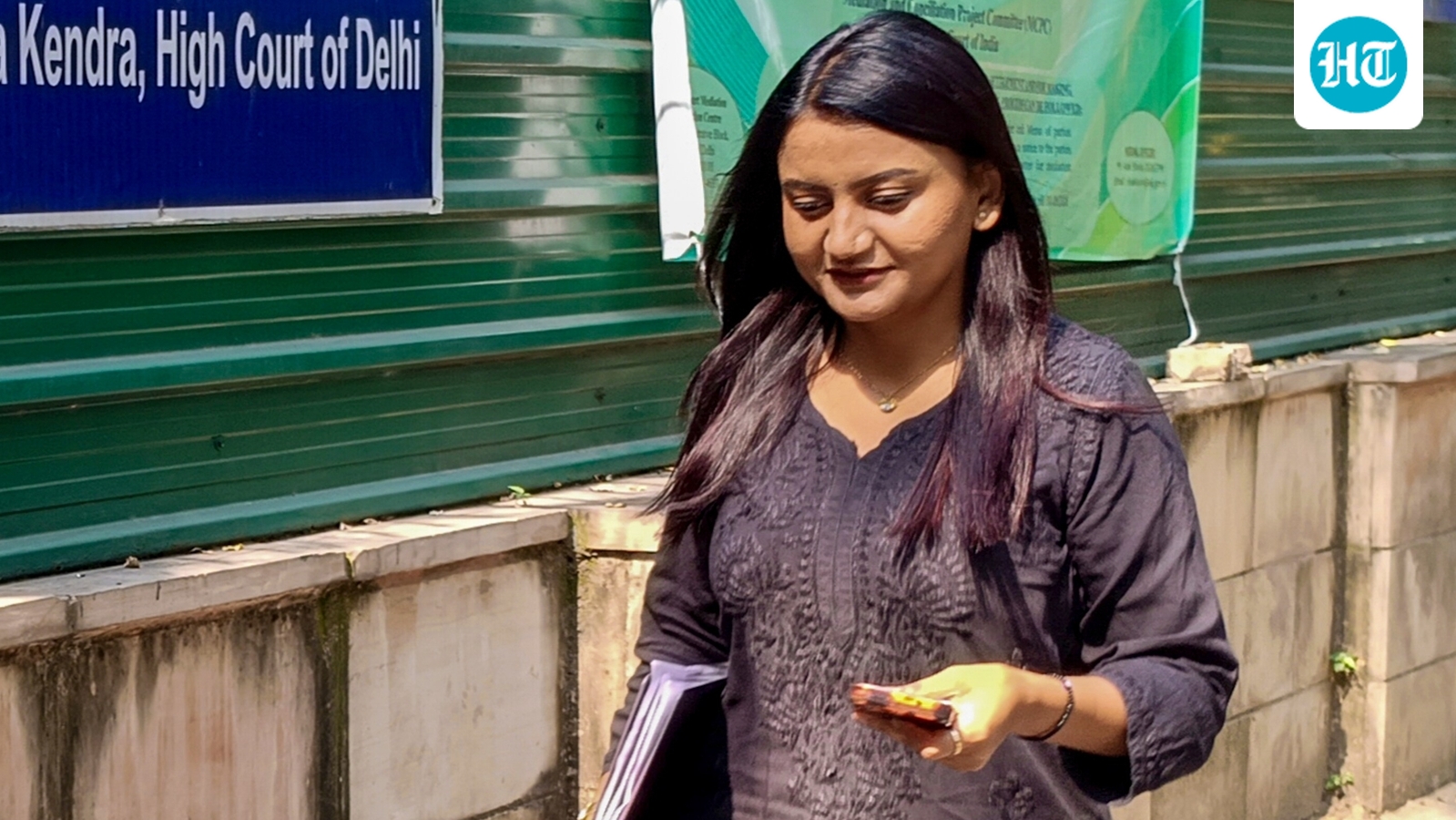
A Delhi government law officer has granted consent to start criminal contempt proceedings against Ratna Singh, the legal head of the Cockroach Janata Party (CJP), in the Delhi High Court. The consent was given following a November 2 communication from the city government’s additional standing counsel, Amol Sinha, to advocate Kaushik Chatterjee. Sinha cited Singh’s social media posts, which he said questioned the independence and impartiality of a Saket judge and could undermine public confidence in the administration of justice. Singh had previously expressed dissatisfaction with an order by chief judicial magistrate (CJM) Abhinav Pandey, who heard her plea regarding alleged detention outside her house. On October 10, Singh filed a request for a first information report (FIR) against Delhi Police officials for allegedly preventing her from moving toward a protest outside the Supreme Court related to protests against Chief Election Commissioner Gyanesh Kumar. Sinha noted that the allegations against the magistrate were a prima facie case of criminal contempt, subject to independent consideration by the High Court. Under Section 15(2) of the Contempt of Courts Act, consent from the designated law officer is required before initiating contempt proceedings against a subordinate court. Sinha distinguished between fair criticism of judicial orders and allegations that a judge was acting under external influence. He stated that such imputations strike at the independence and impartiality of the judicial process. The lawyer also referred to Singh’s statements about the special executive magistrate who had remanded CJP co‑convenors Saurav Das and Ashutosh Ranka to custody, noting that these were considered separately. The consent was based on the earlier publications alleging that the CJM was acting under instructions from an unidentified ‘master’. The Delhi High Court’s criminal contempt jurisdiction was deemed appropriate for the specific allegations against the Saket judge.