Business & Finance
Mounjaro Tops Indian Drug Sales, Signaling Shift Toward Premium Therapies
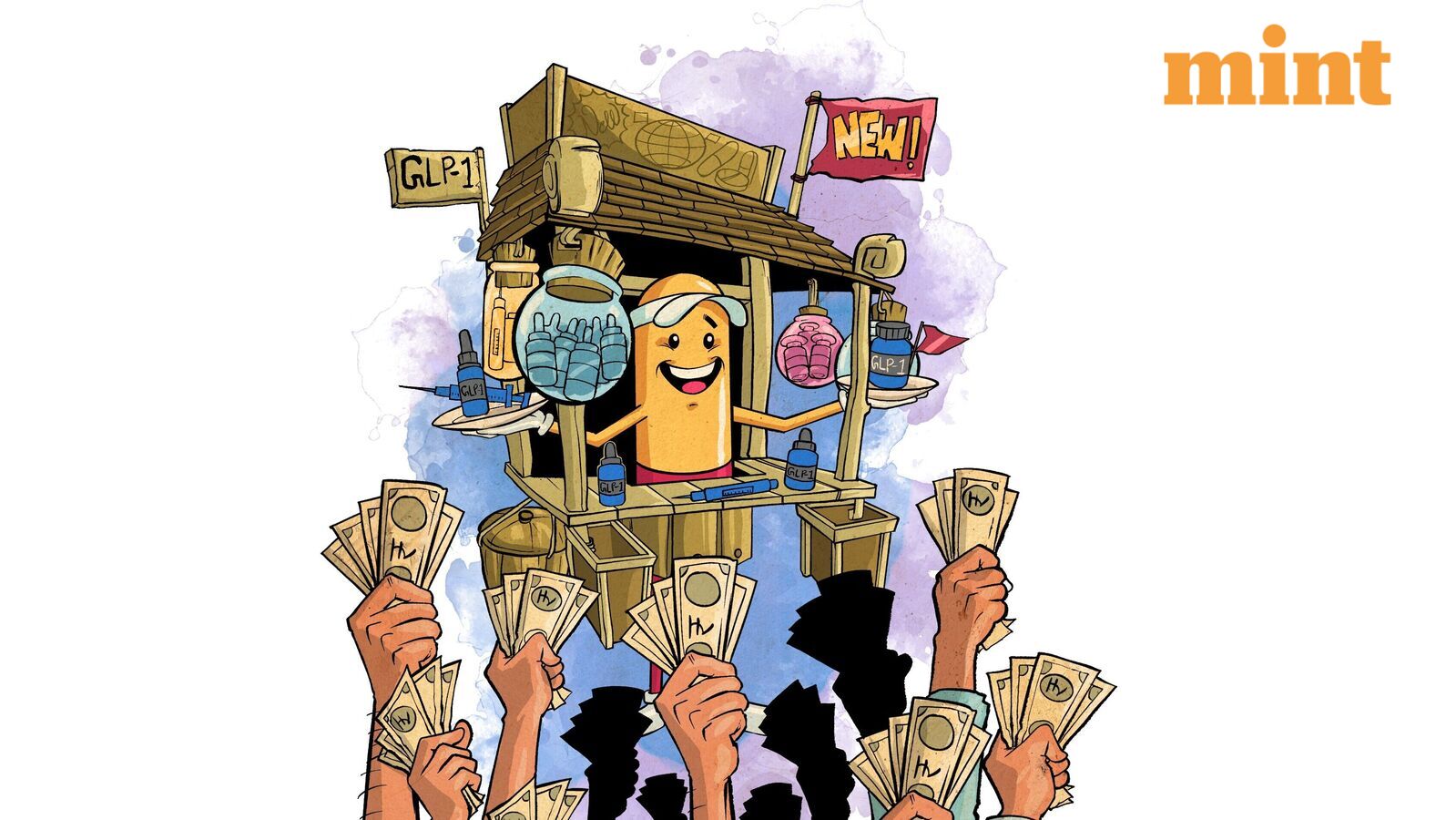
Mumbai – Eli Lilly’s GLP‑1 drug Mounjaro has become India’s best‑selling medicine, eclipsing long‑dominant generics such as GlaxoSmithKline’s Augmentin. Launched in March 2025, Mounjaro recorded sales of ₹923 crore in 2025‑26 and ₹1,736 crore in the 12 months to September 2026, according to Pharmarack data. The total GLP‑1 market reached ₹2,596 crore in the same period, with injectable products accounting for about 86 % of the value.
The entry of generic semaglutide after Novo Nordisk’s patent expired in March 2026 has further accelerated the category. Monthly sales of semaglutide rose from ₹48 crore in February 2026 to ₹113 crore in September, with volumes increasing nearly sixteenfold from 114,000 units to 1,876,000 units. Generics now supply about 74 % of units sold. Vishal Manchanda of the Systematix Group estimates the semaglutide market is running at an annualised rate of roughly ₹900 crore, while the overall GLP‑1 market could approach ₹3,000 crore.
India’s large population of people with obesity and diabetes—254 million and 101 million respectively, according to an ICMR‑INDIAB study—creates a substantial potential customer base. However, not all are candidates for GLP‑1 therapy, and the drugs are not intended to replace diet, exercise or medical supervision.
Brand perception remains a key factor. In a market where titration can take months and responses vary, patients often equate brand reputation with efficacy. Aakanksha Chauhan, a 37‑year‑old engineer, reported losing 40‑45 kg on Ozempic before switching to Wegovy and then Mounjaro for insulin resistance. She notes that her GLP‑1 coaching community frequently discusses brand differences, even when clinical outcomes are similar.
Patients also weigh cost against brand. A Delhi resident who tried Sun Pharmaceutical’s Noveltreat and Zydus’ Semaglyn reported limited appetite suppression and considered Mounjaro, but hesitated due to its higher price. He chose a mix of reputed and value‑for‑money brands, balancing reputation against cost.
The proliferation of devices—over 50 brands and eight to nine device types—has created confusion for doctors and patients alike. Rajiv Kovil, a diabetologist, cautions that companies should seek more physician feedback before launching multiple devices. Some firms are now rebuilding physician confidence by demonstrating device reliability.
Alkem Laboratories entered the semaglutide market in March 2026 with three brands—Semasize, Obesema and Hepaglide—offering both pre‑filled disposable pens and reusable devices. The company pairs its products with support groups to guide patients on diet, exercise and side‑effect management.
Multinationals are also adjusting their strategies. Lilly partnered with Cipla to distribute its tirzepatide brand Yurpeak, leveraging Cipla’s infrastructure. Novo Nordisk emphasizes physician confidence, affordability and a reliable medicine‑and‑pen system. Vikrant Shrotriya, Novo Nordisk’s managing director in India, notes that changing entrenched perceptions requires sustained effort.
The rapid uptake of GLP‑1 drugs has shortened the launch lag for patented medicines in India from 7‑8 years to 2‑3 years, according to Anil Matai of the Organisation of Pharmaceutical Producers of India. Roche is expanding its clinical‑trial activity and plans more than 20 product launches across various therapeutic areas over the next five years.
While the GLP‑1 market remains young and questions about long‑term adherence and price wars persist, the rise of Mounjaro alongside generic semaglutide signals a shift. Indian drugmakers must balance low‑cost manufacturing with building patient trust, reliable delivery devices and robust support systems to achieve lasting success.