World
Shinjuku to Restrict Short-Term Rentals in Residential Areas After Resident Complaints Surge
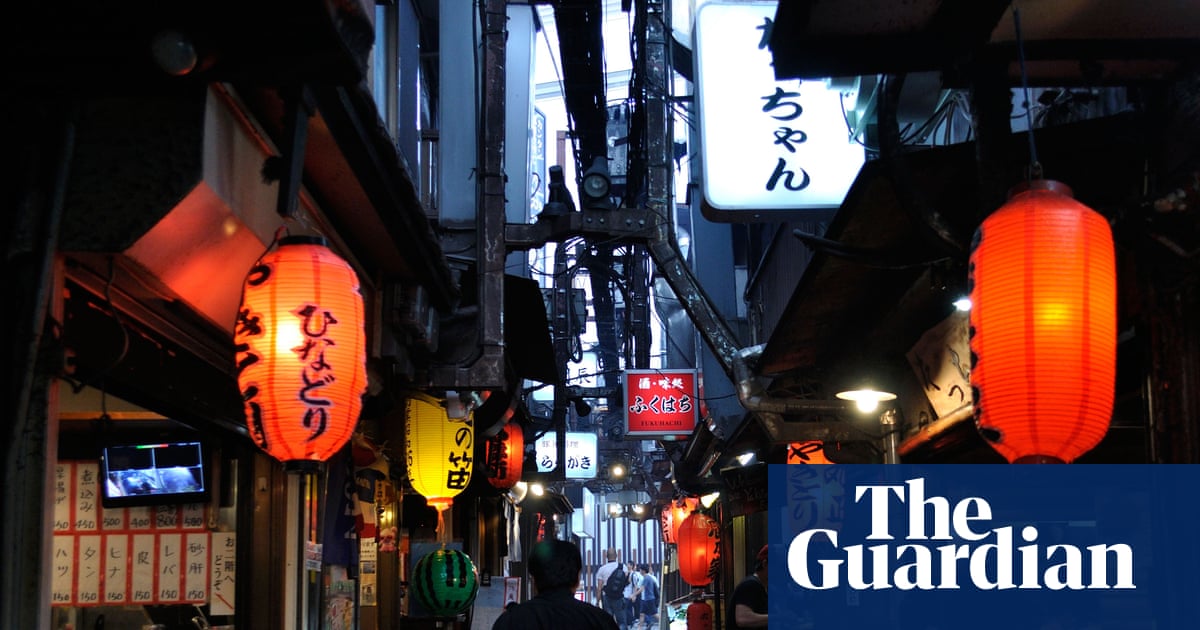
Tokyo's Shinjuku ward is preparing to prohibit visitors from staying in short-term rental accommodations located in residential neighborhoods, near schools, and close to cultural landmarks, according to Japanese media reports this week. The move, which will be implemented through a local ordinance, reflects growing frustration in Japan over the effects of mass tourism and could prompt similar action from other municipalities.
Shinjuku, home to the Kabukicho entertainment district and Shinjuku Station—the world's busiest railway hub—has a resident population exceeding 350,000 and currently hosts 3,775 private lodging facilities, known as minpaku, more than any other area in Japan. Ward officials estimate the new restrictions could impact roughly 2,000 of these properties in residential zones, nearly half the total, according to the Mainichi Shimbun.
The number of minpaku facilities in Shinjuku has nearly tripled since 2022. Officials said they were compelled to act following more than 1,300 complaints from residents over the past year, ending in March. Common grievances included improper garbage disposal, excessive noise, smoking in prohibited areas, and instances of trespassing.
A ward official told the Japan Times that temporarily suspending licenses for operators whose guests caused problems had failed to resolve the issue. "Even if we crack down on badly behaved operators, the number of complaints remains the same," the official said, explaining the decision to revise the ordinance instead.
While authorities did not name specific companies, the ban is expected to affect properties listed through platforms such as Airbnb. An Airbnb representative said the company takes residents' concerns seriously and expressed willingness to collaborate with the ward on more targeted solutions. "A prohibition across residential zones would close thousands of registered homes affecting compliant and responsible hosts, while leaving untouched the unregistered operators behind much of the disruption residents describe," the spokesperson said, adding that Airbnb hopes to help develop an approach that protects both residents and licensed hosts.
Shinjuku plans to gather public feedback on the proposal next month, with revisions to the ordinance expected to be submitted in February. The ward also intends to cut the maximum number of days per year that minpaku in residential areas can be rented out, from 180 to 120.
Other Japanese cities have imposed similar restrictions. In Kyoto, a major draw for temple and shrine visitors, minpaku rentals in residential areas are limited to 60 days annually, restricted to the January-to-March off-season. Kyoto Mayor Koji Matsui said earlier this year that residents fear their communities are deteriorating. "We have strengthened the oversight of operators, but that is not enough. We need to go further," he told the Asahi Shimbun.
Japan welcomed a record 42 million visitors last year, who spent a combined ¥9.5 trillion ($62 billion)—also a record figure. The government has set a target of attracting 60 million tourists annually by 2030, a goal critics warn could worsen what has been termed "tourism pollution."
Other measures to manage tourist numbers have included climbing fees and daily visitor caps near Mount Fuji to ease congestion on Japan's tallest mountain. In February, the town of Fujiyoshida, known for its Fuji viewing spots, canceled its spring cherry blossom festival due to rising incidents of disruptive tourist behavior. Mayor Shigeru Horiuchi said the decision was made to "protect the dignity and living environment of our citizens."