World
Somali Piracy Surges Again as Regional Conflicts Divert Naval Forces
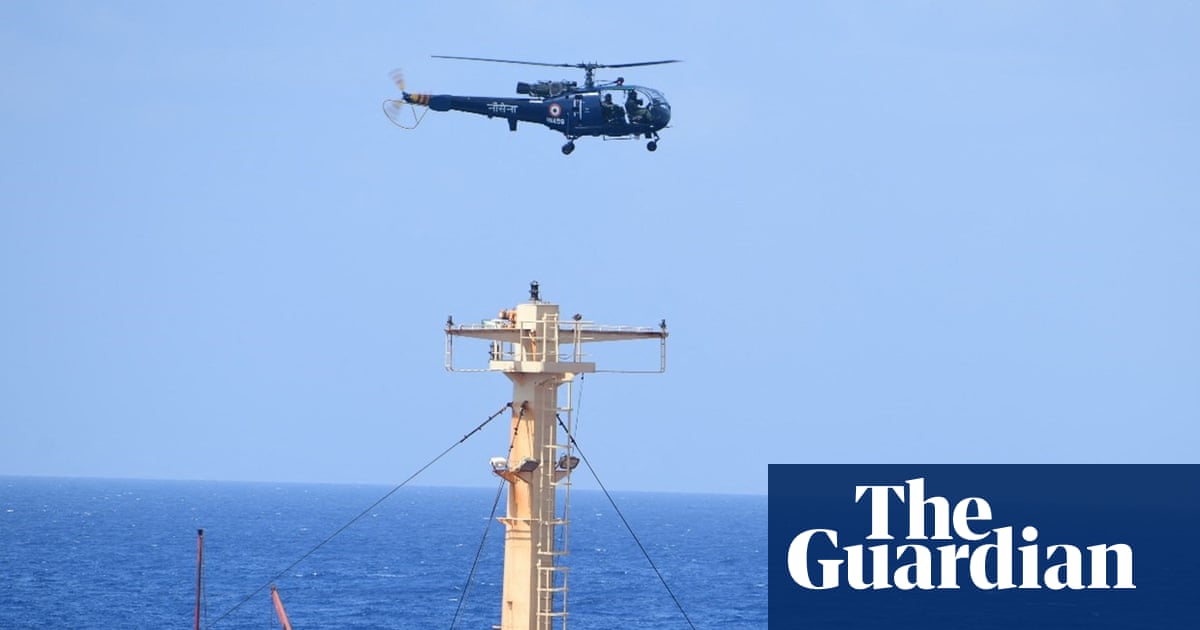
Piracy off the coast of Somalia has surged to levels not seen in ten years, fueled by a mix of regional instability and disruptions to global shipping linked to the US-Israeli conflict with Iran. Since late April, pirates have carried out eight hijackings, including two in August alone—one involving an oil tanker connected to Iran and another targeting the Cameroon-flagged vessel Lutuf, which was transporting military equipment to Turkey.
Between 2005 and 2012, Somali pirates carried out more than 1,000 attacks, taking thousands of hostages and collecting an estimated $400 million (£296 million) in ransom payments. That wave of piracy was eventually curbed by an international naval force, but experts say current global distractions have opened the door for a resurgence.
The seizure of the Lutuf was the most prominent recent case. Turkey, which signed a 2024 agreement to help build Somalia's navy, led a joint operation with Somali forces that freed the vessel two weeks after its capture and destroyed four pirate vessels. However, Mohamed Mubarak, head of Puntland's security coordination office, confirmed that a $2.5 million (£1.85 million) ransom was also paid—a move analysts warn could encourage further attacks.
Matthew Reisener of the Center for Maritime Security noted in July that naval operations by Iran in the Strait of Hormuz and by Houthi forces in the Red Sea have pulled international naval resources away from Somali waters, while also pushing more commercial shipping traffic closer to Somalia's coastline. He estimated that roughly 70% of vessels that once transited the Red Sea are now rerouting around South Africa's Cape of Good Hope.
A May report from the International Institute for Strategic Studies echoed this assessment, pointing to the redeployment of international anti-piracy patrols and reduced commercial risk-management practices as key factors enabling the resurgence. Rising oil prices tied to the conflict have also made oil shipments more attractive targets for pirates.
Somalia, among the world's least developed nations, has lacked a strong central government since the fall of ruler Mohamed Siad Barre in 1991. Chronic shortages of patrol vessels and unpaid salaries for coastal security personnel have long undermined the country's ability to secure its shores. Analysts say the current spike in piracy has been compounded by international focus on arms smuggling networks supplying Yemen on behalf of Iran, some of which are believed to have ties to al-Shabaab, the Islamist militant group expanding its control in central and southern Somalia and reportedly building connections with Yemen's Houthis.
Local officials told the Guardian that pirate groups have adopted new tactics, using previously hijacked ships as "motherships" to launch further attacks. In the Lutuf's case, the vessel was approached three nautical miles off the fishing town of Maraya by the MV Sward, a cement carrier earlier seized by pirates. Eight armed men from the Sward boarded the Lutuf and overpowered its security guards.
Officials also point to growing technological sophistication among pirate networks, including the use of SpaceX's Starlink satellite internet service for tracking targets and coordinating operations—developments Lloyd's List has described as signs of an increasingly capable Somali piracy threat exposing weaknesses in current maritime security measures.
In Galkayo, a commercial hub in the Mudug region, residents reported a noticeable influx of money into the local economy following the Lutuf ransom payment, including increased khat consumption and a rise in luxury vehicles on the roads—patterns reminiscent of the piracy boom over a decade ago, which also saw expansions in drug use, alcohol consumption and prostitution in coastal communities.
The Lutuf's release followed a series of drone strikes on pirate positions at sea and on land, including a Turkish drone strike that killed nine armed men preparing boats to reinforce the hijackers.
Academics Anja Shortland and Federico Varese, who studied Somali piracy in 2014, wrote in The Conversation in May that it remains unclear whether the international community has the will or resources to mount another large-scale anti-piracy operation like the one deployed in 2011 and 2012, which cost navies worldwide more than $1 billion annually. They cautioned that quick ransom payments might free captive ships in the short term but would likely escalate risks for other vessels going forward, adding that while piracy plays out at sea, lasting solutions must be found on land.