World
Hebron Families Return to Al‑Jalada After Ten‑Day Evacuation
By Mosab Shawer
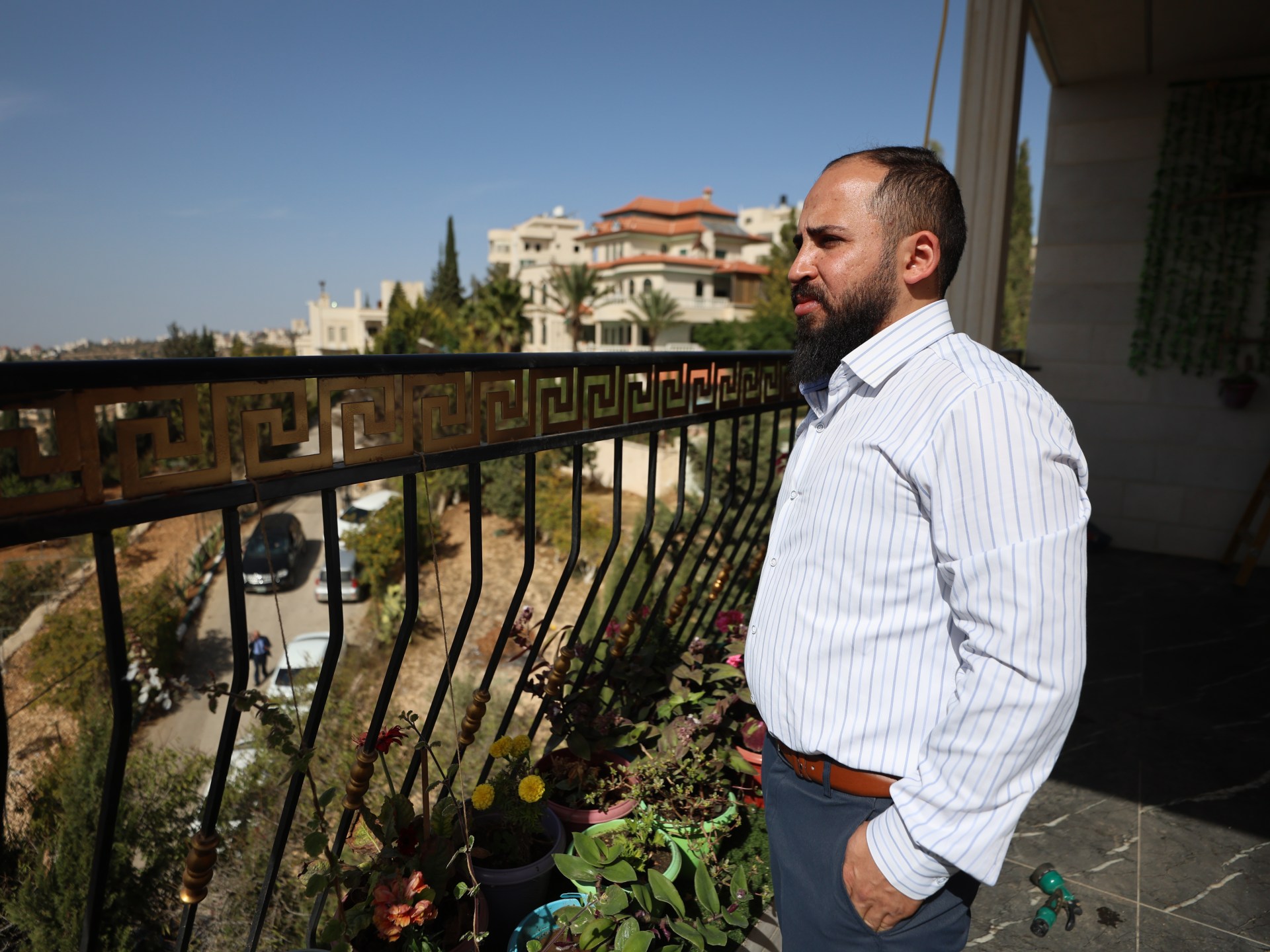
Nour al‑Natsha, a 35‑year‑old orthopaedic surgeon, knew his home might not be in good condition when he returned after a ten‑day displacement. Israeli forces seized Hebron’s al‑Jalada neighbourhood on October 24, a day after Palestinian gunmen killed two Israeli soldiers nearby. Al‑Natsha’s family were given 20 minutes to leave, taking only money, gold and important documents, and leaving behind most clothes, everyday belongings and family photographs. When he returned on Monday, the doors were wide open and the house was turned upside down; belongings were missing, including his young daughter’s pet bird.
"When we entered the house, it was a mixture of emotions," al‑Natsha said. "You couldn’t tell whether you were happy to be back home or heartbroken by what had happened to it."
The Israeli military operation in Hebron appears to be over, but al‑Natsha and thousands of others in the city are left to pick up the pieces. He explained that families and neighbours had gathered on Sunday evening in the nearby Wadi al‑Karm area, waiting until around midnight after reports emerged that the military operation had ended. Seeing no signs of a withdrawal, they returned to their temporary accommodation, holding on to the hope of going home soon. In the early hours it was confirmed that the military had withdrawn. Al‑Natsha headed toward the neighbourhood at about 6 a.m., finding several neighbours making their way home. He inspected the property with his father and two brothers, looking for suspicious objects or potential hazards after finding the doors open. Once they were satisfied the house was safe, family members began cleaning and putting things back in order, removing belongings that might have been damaged or contaminated, in an effort to make the house habitable again.
The return was not without anxiety, especially for al‑Natsha’s four‑year‑old daughter, Ilya, whose biggest concern was the fate of her pet bird, "Natosh", left inside the house when the family was forced to leave. Al‑Natsha has no idea where the bird is, whether it is dead, or whether the Israeli soldiers released it. Ilya keeps asking about her pet.
The return of families to al‑Jalada followed ten days of military restrictions and evacuations affecting several neighbourhoods in Hebron. Hundreds of families were forced to leave their homes, while shops and institutions in the areas were closed. According to figures from the Hebron Governorate’s Support and Relief Committee, 537 families, comprising approximately 3,300 people, were displaced. With residents now returning, the extent of the damage to homes and belongings, and the lasting effects of the days spent away, remain part of the experience of families trying to rebuild their lives.
For 68‑year‑old Khaled Shawer, who also lives in the neighbourhood, the damage to homes and the debris and destruction left behind by the military operation could be dealt with. What mattered most was that residents had returned and could begin to regain a sense of stability. "Everything can be replaced: the destruction, the damage, the dirt, everything," Shawer said. "But the most important thing is that we have returned to our homes, our paradise on Earth, the place where we find our psychological and physical stability."
Frequently asked questions
How many families were displaced during the Hebron evacuation?
537 families, approximately 3,300 people.
What did families have to leave behind during the evacuation?
They were given 20 minutes to leave, taking only money, gold, and important documents, leaving behind most clothes, everyday belongings, and family photographs.