India
Supreme Court Rejects Quashing of Rape Case Over Settlement
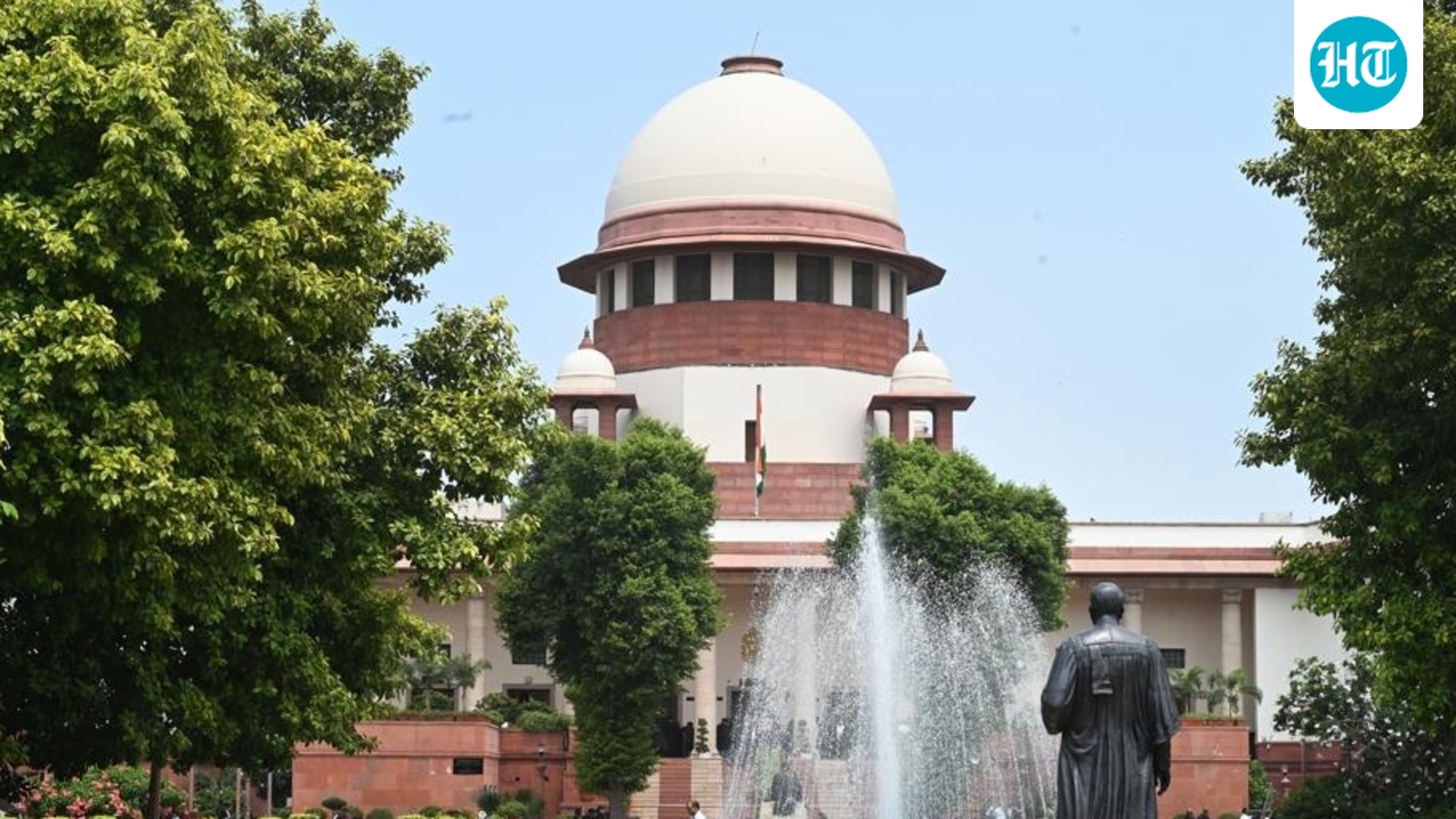
The Supreme Court has ruled that a rape complaint cannot be dismissed simply because the parties have reached a settlement. In a decision that set aside a Madhya Pradesh High Court order, the bench of Justices JB Pardiwala and K Vinod Chandran emphasized that settlements in serious offences may be driven by pressure from the accused or may arise from false accusations seeking money. The court noted that rape is a non‑compoundable offence and cannot be treated as a private dispute. It directed that the trial proceed while granting the accused anticipatory bail, subject to conditions imposed by the trial court. The bench also ordered that the complainant be interviewed via video conference to assess whether she was coerced into the settlement. The court distinguished earlier rulings that allowed quashing of criminal proceedings in civil or commercial disputes, and reiterated that the inherent powers of high courts under Section 528 of the Bharatiya Nagarik Suraksha Sanhita cannot be used to terminate cases involving heinous crimes such as rape, murder or dacoity. The decision follows the court’s 2024 ruling in Shambhu Kharwar v. State of Uttar Pradesh, where a rape case was quashed after finding the relationship consensual. The Supreme Court’s order restores the criminal proceedings and requires the accused to cooperate with the investigation and appear before the trial court whenever summoned.
Frequently asked questions
Why did the Supreme Court reject the quashing of the rape case?
Because the court ruled that a rape complaint cannot be dismissed simply because the parties have reached a settlement, as rape is a non‑compoundable offence and cannot be treated as a private dispute.
What actions did the Supreme Court order regarding the trial and the accused?
The court directed that the trial proceed while granting the accused anticipatory bail subject to conditions imposed by the trial court, and ordered the complainant to be interviewed via video conference to assess coercion.